Post Your Needs

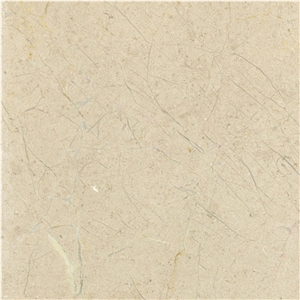
Orumiyeh Marble

Beige - Marble

Iran

About

Item Details

Material Type:
Marble
Origin:
Iran (West Azerbaijan Province)
Primary Color(s):
Beige
Recommended Usage:
kitchen and bathroom countertops, monuments, stairs, building stone, ornamental stone, interior, exterior wall and floor applications, mosaic, waterjet pattern
Additional Names:
Oromie Marble, Oromie Beige Marble, Urmia Marble, Orumiyeh beige Marble, Urmia Beige Marble, Orumiyeh Marble
Finished Surface:
Polished,Bush Hammered,Tumbled,Brushed,Honed,Split,Machine Cut,Natural Surface,Sandblasted,Acid Washing,Combed,Leathered,Water Jet,Filled,Chiseled,Pickling

FAQ

Can Iran's Orumiyeh Marble be used in wall coverings?

Yes, Irans Orumiyeh Marble can certainly be used in wall coverings. Orumiyeh Marble is known for its beautiful and unique patterns, making it a popular choice for interior design applications such as wall coverings, flooring, countertops, and decorative pieces. Its durability and aesthetic qualities make it a suitable material for adding elegance and sophistication to walls in homes, offices, or other commercial spaces.

Can Iran's Orumiyeh Marble be used exterior applications in hot climates?

Yes, Irans Orumiyeh Marble can be used for exterior applications in hot climates. Marble is known for its durability and ability to withstand outdoor weather conditions. However, it is important to note that different types of marble may have varying porosity and chemical composition, which can impact their performance in specific climates. Orumiyeh Marble is a type of white marble found in Iran, particularly in the city of Orumiyeh. It is characterized by its unique crystalline patterns and high-quality aesthetics. While it is commonly used for interior applications like flooring, countertops, and wall cladding, it can also be used for exterior purposes. In hot climates, marble tends to absorb heat, which can cause the stone to become hot to the touch. Additionally, some types of marble may react to certain chemicals or acids present in the environment, leading to potential staining or erosion over time. Therefore, it is crucial to ensure proper sealing and maintenance of the marble to preserve its appearance and longevity. To enhance the marbles performance in hot climates, it is recommended to use lighter colors that reflect sunlight instead of darker shades that absorb heat. Additionally, employing proper installation techniques, appropriate sealants, and regular cleaning and maintenance will help maximize the durability and lifespan of the marble in exterior applications.

Can Iran's Orumiyeh Marble be used in a kitchen?

Yes, Irans Orumiyeh Marble can be used in a kitchen. However, it is important to note that marble is a natural stone and can be susceptible to staining and etching from acidic foods or liquids. Therefore, proper sealing and maintenance is necessary to ensure its longevity and durability in a kitchen environment. It is recommended to consult with a professional for proper installation and maintenance guidelines.

How thick is Iran's Orumiyeh Marble slabs?

The thickness of Irans Orumiyeh Marble slabs can vary, but standard slabs are typically around 2 cm (0.79 inches) thick. The slabs can also be found in other thicknesses depending on specific requirements and preferences.

What is the coefficient of friction of Acid Washed Finish Iran's Orumiyeh Marble tiles?

To determine the coefficient of friction of Acid Washed Finish Irans Orumiyeh Marble tiles, it is necessary to obtain specific information about the surface texture and characteristics of the tiles. The coefficient of friction measures the resistance to sliding between two surfaces in contact. Different factors can affect the coefficient of friction, such as the roughness of the surface, the presence of any sealants or polishes, and the type and condition of the flooring material. Acid-washed finishes can vary in texture and can significantly impact the coefficient of friction. To obtain this information, it is recommended to consult the manufacturer or supplier of the Acid Washed Finish Irans Orumiyeh Marble tiles. They should have detailed technical specifications about the product, which may include the coefficient of friction or slip resistance rating.

Can Iran's Orumiyeh Marble be used outdoors?

Yes, Irans Orumiyeh Marble can be used outdoors. It is a durable and high-quality natural stone that is resistant to weathering and erosion. However, it is recommended to choose a finish with good slip resistance for outdoor installations to avoid accidents caused by slippery surfaces. Additionally, regular cleaning and maintenance are necessary to maintain its aesthetic appeal and prevent staining.

Is Iran's Orumiyeh Marble an expensive stone?

I dont have access to the current market prices of Irans Orumiyeh Marble. However, it is a high-quality and rare marble with unique patterns and colors, so it may be considered an expensive stone. The price may vary depending on factors such as the size, grade, and market demand. It is best to consult with a professional in the stone industry for more accurate and up-to-date information.

Are there color variations of Iran's Orumiyeh Marble?

Yes, there are different color variations of Irans Orumiyeh Marble. It can range from light cream to beige, with veins of brown, grey, or black. Some variations may have a pink or yellow tint. The color and pattern of Orumiyeh Marble can vary depending on where it is quarried in the region.

Hot Beige Marble

New Marble

Post Your Request

The request includes:
  1. surface finished, size
  2. quantity required