Post Your Needs

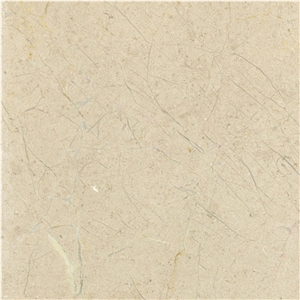
Oscar Beige Marble

Beige - Marble

Turkey

About

Item Details

Material Type:
Marble
Origin:
Turkey (Hacılar, Burdur)
Primary Color(s):
Beige
Recommended Usage:
Kitchen and bathroom countertops, monuments, building stone, ornamental stone, building stone, stairs, interior wall and floor applications, mosaic, waterjet pattern, wall panels, table tops, columns, fireplace surround
Additional Names:
Burdur Beige Marble, in China stone market:奥斯卡米黄(àosīkǎ mǐhuáng), Oscar Beige Marble
Finished Surface:
Polished,Bush Hammered,Tumbled,Brushed,Honed,Split,Machine Cut,Natural Surface,Sandblasted,Combed,Leathered,Water Jet,Filled,Chiseled,Pickling

Description

Oscar Beige Marble is a sophisticated natural stone quarried in the Burdur province of Turkey. It features an earthy beige background with a beautiful mix of light and dark beige hues that create a dynamic and warm pattern. The subtle variation in the shades of beige adds depth and texture to the stone, giving it a soft yet striking appearance.

The harmonious blending of light and dark tones in Oscar Beige Marble makes it a versatile material suitable for various design applications. Its neutral and earthy palette allows it to complement a wide range of interior styles, from modern to traditional. Common uses include countertops, flooring, wall cladding, and bathroom features, where its warmth and understated elegance can enhance the overall aesthetic of the space.

Whether used in polished, honed, or brushed finishes, Oscar Beige Marble brings a timeless and refined look to both residential and commercial projects. Its natural beauty and versatility make it a popular choice for creating stylish and inviting spaces.

FAQ

Is Oscar Beige Marble a suitable choice for exterior wall?

Oscar Beige Marble is generally not recommended for exterior walls due to its susceptibility to weathering and damage from the elements. It is a softer and more porous stone that can be prone to staining, discoloration, and erosion when exposed to outdoor conditions. It is better suited for indoor applications such as flooring, countertops, and walls in areas with minimal moisture exposure. For exterior walls, it is recommended to choose a more durable and weather-resistant material such as granite or porcelain tile.

Is 3cm thick Oscar Beige Marble durable enough for use as patio walkway pavers?

Oscar Beige Marble is a natural stone that is known for its beauty and elegance. However, its durability may not be sufficient for use as patio walkway pavers, especially at a thickness of only 3cm. For outdoor use, especially in high-traffic areas like a patio walkway, it is recommended to use a thicker and more durable material such as concrete pavers, natural stone pavers, or brick pavers. These materials are better equipped to handle the wear and tear of outdoor conditions and foot traffic over time. While Oscar Beige Marble is a beautiful stone, it may be more suitable for indoor applications such as countertops, backsplashes, or wall cladding where it is less likely to be exposed to the harsh outdoor elements.

Does the surface of Oscar Beige Marble floor tiles scratch easily?

Marble is a relatively soft and porous stone, making it susceptible to scratching and damage from abrasive materials. It is important to properly seal and maintain marble surfaces to prevent scratching and other damage. However, Oscar Beige Marble floor tiles may still be prone to scratching if not properly cared for and maintained. Regular cleaning and sealing of the surface can help to prevent scratching and keep the marble looking its best.

Can glossy polished Oscar Beige Marble be used for pool coping?

Yes, glossy polished Oscar Beige Marble can be used for pool coping. Marble is a durable and attractive material that can be used for pool coping to create a luxurious and high-end look for your pool area. The glossy polished finish of the marble will add a sophisticated touch to your pool design. Just make sure that the marble is properly sealed to protect it from water and chemical damage.

How can I give Oscar Beige Marble floor tiles an antique look?

There are several ways you can give Oscar Beige Marble floor tiles an antique look: 1. Distressing: Use sandpaper or a wire brush to create small scratches and marks on the surface of the tiles. This will give them a worn, aged appearance. 2. Staining: Apply a stain or glaze to the tiles to darken the color and add depth to the surface. You can use a water-based or oil-based stain, depending on the desired effect. 3. Faux aging: Use a faux aging technique, such as crackling or antiquing solutions, to create a weathered or aged look on the tiles. These products can be applied with a brush or sponge and then wiped away to reveal the underlying color. 4. Patina application: Apply a patina solution to the tiles to create a green or blueish tint that mimics the natural aging process of marble. Patina solutions can be brushed or sprayed on and allowed to dry for a distressed effect. 5. Sealing: Once you have achieved the desired antique look, seal the tiles with a matte or satin finish sealer to protect the surface and enhance the aged appearance. This will also make the tiles easier to clean and maintain. Overall, the key to achieving an antique look on Oscar Beige Marble floor tiles is experimentation and creativity. Try different techniques and finishes until you achieve the desired effect.

Can Oscar Beige Marble be used for exterior stair steps?

Yes, Oscar Beige Marble can be used for exterior stair steps. Marble is a durable and low-maintenance material that is well-suited for outdoor use. Just make sure to properly seal the marble to protect it from the elements and regular wear and tear.

Can I put hot pots and pans on Oscar Beige Marble kitchen countertops?

It is not recommended to put hot pots and pans directly on Oscar Beige Marble kitchen countertops. Marble is a natural stone that can be sensitive to high temperatures, and placing hot objects directly on the surface may cause it to discolor, crack, or even scorch. It is advisable to use trivets, hot pads, or other heat-resistant materials to protect the marble countertop from direct heat.

How can I clean Oscar Beige Marble?

To clean Oscar Beige Marble, you can follow these steps: 1. Start by removing any surface dirt and debris from the marble using a soft bristle brush or a microfiber cloth. Be gentle to avoid scratching the surface. 2. Prepare a mild cleaning solution by mixing warm water with a pH-neutral stone cleaner. Avoid using acidic or abrasive cleaners as they can damage the marble. 3. Dip a soft sponge or cloth into the cleaning solution and gently wipe the marble surface. Make sure to cover the entire surface area, including any stains or spots. 4. If there are any stubborn stains, you can create a paste by mixing baking soda and water. Apply the paste to the stain and let it sit for a few minutes before gently scrubbing with a soft brush or cloth. Rinse thoroughly with clean water. 5. Once you have cleaned the marble, rinse it thoroughly with clean water to remove any residue or cleaner solution. Make sure to dry the surface using a clean, absorbent cloth to prevent water spots. 6. For regular maintenance, you can use a marble sealer to protect the surface and prevent staining. Follow the manufacturers instructions for application. 7. Avoid using harsh or acidic cleaners, such as vinegar or lemon juice, as they can etch the surface of the marble. Also, never use abrasive scrubbers, steel wool, or abrasive cleaners, as they can scratch and damage the marble. Remember to test any cleaning solution or method on a small, inconspicuous area of the marble first to ensure that it does not cause any damage or discoloration.

What should I do to prevent Oscar Beige Marble flooring from being slippery?

There are a few steps you can take to prevent Oscar Beige Marble flooring from being slippery: 1. Clean the floors regularly: Dust, dirt, and spills can make the marble surface more slippery, so make sure to clean the floors frequently using a pH-neutral cleaner specifically designed for marble surfaces. 2. Use non-slip mats or rugs: Place non-slip mats or rugs in areas that are more prone to moisture or spills, such as entrances or near sinks. These mats will provide additional traction and absorb any excess moisture. 3. Dry the floors thoroughly: After cleaning or mopping the floors, make sure to dry them thoroughly to remove any moisture. Excess moisture can make the marble surface slippery. 4. Avoid using wax or glossy finishes: Wax or glossy finishes can create a shiny surface that may be more slippery. Instead, opt for a matte or honed finish to reduce the slipperiness. 5. Consider adding a sealant: A sealant can help create a protective layer on the marble surface, reducing its slipperiness. Consult with a professional to determine the right type of sealant for your specific marble. 6. Use slip-resistant products: There are various slip-resistant products available in the market, such as anti-slip coatings or tapes. You can apply these products to the marble surface to enhance its traction and reduce the risk of slipping. 7. Place warning signs: If there are specific areas of the marble flooring that tend to be more slippery, consider placing warning signs or markings to alert people to exercise caution. Its important to note that while these steps can reduce the slipperiness of Oscar Beige Marble flooring, its always advisable to exercise caution and practice good safety measures, such as wearing slip-resistant footwear, especially in areas prone to moisture or spills.

Does Oscar Beige Marble break and scratch easily?

Oscar Beige Marble is known for its durability, as it is a type of natural stone. However, like all marble materials, it is still susceptible to breaking and scratching if not properly cared for. It is always recommended to handle marble surfaces with care and avoid placing heavy objects or using abrasive materials on its surface to prevent any potential damage.

Products & Prices

View More

Hot Beige Marble

New Marble

Post Your Request

The request includes:
  1. surface finished, size
  2. quantity required