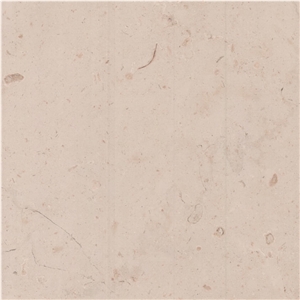
Painswick Stone is a premium variety of oolitic limestone from the Cotswolds region in Gloucestershire, England. Known for its distinctive light sandy and honey-colored tones, it has been utilized in traditional British architecture for centuries, adding elegance and heritage to buildings. Below is a comprehensive overview of Painswick Stone, covering its physical, mechanical, and chemical properties, as well as its applications, maintenance, and finishes.
Physical and Mechanical Properties:
- Water Absorption:Typically low water absorption, around 3-5%, making it suitable for outdoor and indoor applications.
- Density:Approximate density of 2.35 - 2.45 g/cm³, which gives it a solid and robust structure.
- Flexural Strength:Usually measures between 3 - 5 MPa, indicating good resilience against bending forces.
- Compressive Strength:Typically around 35 - 55 MPa, showcasing its capability to withstand substantial loads.
- Hardness:Generally falls within 3 - 4 on the Mohs scale, indicating moderate hardness typical of limestones.
- Porosity:Moderate porosity, roughly 15-20%, influencing its weathering characteristics and heat retention properties.
- Slip Resistance:Good slip resistance when finished with certain textures, suitable for flooring applications.
Chemical and Mineral Composition:
- Calcium Carbonate (CaCO₃):Predominantly made up of calcium carbonate, which constitutes about 90-95% of the stone.
- Fossil Content and Other Minerals:Includes minor amounts of quartz, clay minerals, and iron oxides, along with visible, tiny fossil inclusions contributing to texture and color variations.
Usage:
- Architectural Applications:Widely used for facades, cladding, and load-bearing structures in historical and contemporary buildings for its aesthetic appeal.
- Flooring and Paving:Ideal for both interior and exterior flooring, offering durability and an elegant appearance.
- Fireplaces, Statues, and Ornamental Works:Used in crafting detailed architectural and decorative features due to its fine grain and workability.
Maintenance:
- Cleaning:Regular dusting and cleaning with neutral pH cleaners to maintain its appearance; avoid acidic or overly abrasive cleaners.
- Sealing:Periodic sealing can help enhance its water resistance and protect against staining, especially in high-moisture areas.
- Repairs:Restoration and patching may be needed over time in high-traffic areas or exterior settings.
Cutting Sizes and Common Surface Finish Options:
Cutting Sizes:Available in bespoke dimensions, typically ranging from 30x30 cm to large slabs for varying applications depending on client needs.
Surface Finishes:
- Honed: Smooth and matt finish, popular for interior use.
- Antique/Bush-hammered: Textured finish, providing greater slip resistance for outdoor flooring.
- Polished: Enhances natural tones and ideal for ornamental uses.
- Sandblasted: Creates a slightly textured look, suitable for façades and external applications.
Painswick Stone, with its rich visual appeal and robust physical properties, remains a beloved choice in traditional and modern construction projects, requiring appropriate selection and maintenance to fully leverage its unique characteristics.


 United Kingdom


 Saudi Arabia

 Germany

 Spain

 Portugal


 Norway

 Croatia

 Bulgaria

 China

 France
