Pakistan Fossil Marble is a natural stone that is commonly used for interior applications such as countertops, flooring, and wall cladding. While it is durable and can withstand various environmental conditions, including heat and moisture, it may not be suitable for exterior applications in cold climates.
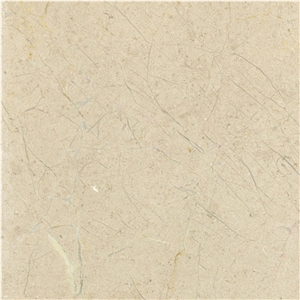
Cold climates have freezing and thawing cycles that can cause damage to certain types of natural stone, especially those with large visibles pores or weak resistance to moisture absorption. Pakistan Fossil Marble is known to have visible veins and fossilized patterns, which may indicate porous characteristics.
In cold climates, water can seep into these pores and freeze, leading to expansion and potential cracking or damage to the stone. Additionally, the freeze-thaw cycles can cause the stones color or polish to deteriorate over time.
To ensure the longevity and performance of natural stone in colder climates, it is recommended to choose a type of stone specifically designed for exterior applications, such as granite or certain types of limestone. These stones typically have better resistance to moisture and are less prone to damage from freezing and thawing cycles.
However, for low-traffic or decorative areas, such as exterior wall cladding, some individuals may choose to use Pakistan Fossil Marble despite the potential risks. In such cases, proper installation techniques, sealants, and regular maintenance should be employed to minimize potential damage from cold climates. It is advisable to consult with a professional stone supplier or installer for specific recommendations based on the intended application and local climate.


 Pakistan

 20YR

 China


 United Arab Emirates


 Spain

 Turkey

 Italy

 Oman

 Egypt

 India

 Greece


 Iran


 Myanmar