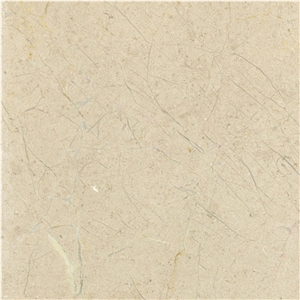
Irans Pearl Cream Marble is a natural stone that has aesthetic appeal and is commonly used in interior applications, such as flooring and countertops. However, when it comes to exterior applications in very humid climates, there may be some considerations to keep in mind.
Marble is known to be more porous compared to other natural stones, which makes it more susceptible to moisture absorption. In very humid climates, there is a higher chance of moisture getting trapped within the stone, leading to potential issues such as staining, color change, and even damage from freezing and thawing cycles.
To mitigate these risks, it is important to ensure proper installation techniques and ongoing maintenance for exterior applications. This may include sealing the marble with a high-quality penetrating sealer that helps repel moisture and stains. Regular cleaning and sealing can help protect the stone and prolong its durability.
It is also worth mentioning that the long-term performance of any stone in exterior applications is influenced by factors like the degree of humidity, temperature variations, and weather conditions. In extremely humid climates, it might be advisable to consider alternative stone options that are known to be more resistant to moisture, such as granite or certain types of engineered stone.
Ultimately, consulting with a professional stone supplier or installer who is knowledgeable about the specific characteristics of Irans Pearl Cream Marble and the local climate conditions would be the best approach to determine its suitability for exterior applications in very humid climates.


 Iran

 3YR

 China


 Turkey

 Brazil


 Oman

 Spain


 Italy


 Egypt


 Bolivia

 Greece

 Namibia

 Sierra Leone