Post Your Needs

Pelagonia Marble

Beige - Marble

Albania

About

Item Details

Material Type:
Marble
Origin:
Albania (Pindos, Skrapar, Berat County, southern Albania)
Primary Color(s):
Beige
Recommended Usage:
Kitchen and bathroom countertops, monuments, building stone, ornamental stone, stairs, interior, exterior wall and floor applications, mosaic, waterjet pattern, wall panels, table tops, window sills, balustrades, columns, wall and pool copings, pool pavers, sculptures, fireplaces, pavers
Additional Names:
Pelagonia Beige Marble, Pindos Marble, Pindos Mermer, Skrapar Marble, Pelagonia White Limestone, Pelagonia Limestone, Pelagonia Beige Limestone, in China stone market:白蘑菇(Bái Mógu), Pelagonia Marble
Finished Surface:
Polished,Bush Hammered,Tumbled,Brushed,Honed,Split,Machine Cut,Natural Surface,Sandblasted,Combed,Leathered,Water Jet,Chiseled,Pickling

Testing

Water Absorption:
1.1 %
Density:
2610 kg/m3
Flexural Strength:
8.0-13.1 N/mm2
Compressive Strength:
10.9-14.4 N/mm2
Stone texture:
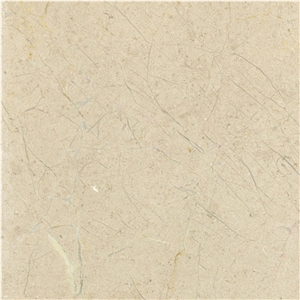
a distinctive natural stone quarried in the Skrapar region of southern Albania. It is characterized as a fine-grained, cream to beige calcite marble​ with a unique open, porous surface structure. The most notable feature is the presence of brownish fossil patterns and imprints​ visible in some blocks, though not uniformly across all material. These paleontological inclusions, which may include shell fragments, coral impressions, or other marine organism traces, provide the stone with exceptional geological character and a sense of ancient history. The overall aesthetic is rustic, organic, and texturally rich, making it ideal for projects seeking material with authentic, story-telling qualities

Description

Pelagonia Marble is a unique natural stone known for its distinctive looks and geological significance. Quarried in the Skrapar region of southern Albania, it stands out due to its fine-grained, cream to beige calcite composition with an open, porous surface structure. One of its most appealing features is the presence of brownish fossil patterns and imprints, which can include shell fragments, coral impressions, or other traces of marine organisms. This not only gives the marble a rustic and organic appearance but also connects it with ancient history, making it a popular choice for projects that value authenticity and storytelling.

Physical and Mechanical Properties

  • Water Absorption: 1.1%
  • Density: 2610 kg/m³
  • Flexural Strength: 8.0-13.1 N/mm²
  • Compressive Strength: 10.9-14.4 N/mm²
  • Hardness: While not precisely quantified in the provided text, generally, marble has a hardness of about 3 on the Mohs scale, but specific hardness data for Pelagonia Marble would need more precise measurements.
  • Porosity: Given its open and porous nature, Pelagonia Marble has noticeable porosity, which contributes to its rustic texture.
  • Slip Resistance: Requires specification but typically can be enhanced with certain finishes.

Chemical and Mineral Composition (approx. % by weight)

  • Calcite (CaCO₃): Majority component, usually about 90-99% in calcite marbles.
  • Traces of Silica (SiO₂), Feldspar, Micas, Iron Oxides: Can vary, generally making up the remaining percentage, affecting the marble's color and pattern.
  • Organic Inclusions: The presence of fossil patterns and marine traces contribute unique elements that are not typical in standard marble compositions.

Usage

Pelagonia Marble's rich textural and visual properties make it suitable for a variety of applications:

  • Interior Design: Flooring, wall cladding, fireplaces, and bathroom vanities.
  • Exterior Projects: Due to its ancient appearance, it suits outdoor patios, garden sculptures, and wall facades.
  • Decorative Elements: Tiles, mosaics, and smaller decorative objects that showcase its natural beauty.

Maintenance

  • Sealing: Regular sealing recommended to protect against staining due to its porous nature.
  • Cleaning: Use pH-neutral cleaners to preserve its surface and avoid acidic substances which may etch the marble.
  • Polishing: Occasionally required to maintain its luster, especially in high-traffic areas.

Cutting Sizes and Surface Finish Options

  • Common Cutting Sizes: Standard industry sizes, accommodating custom requests for specific projects.
  • Available Surface Finishes:
  • Polished: For a glossy, reflective surface that highlights its patterns.
  • Honed: A matte finish that offers a softer appearance.
  • Brushed: For a textured, aged look that enhances its rustic charm.
  • Sandblasted: To increase slip resistance, especially for flooring applications.
  • Antiqued: To further accentuate the historical and rustic feel of the stone.

Pelagonia Marble's distinct characteristics and notable fossil inclusions make it an excellent choice for those seeking a natural stone with a rich narrative and aesthetic appeal. Its versatility in applications and finishes offers designers and architects numerous creative possibilities.

FAQ

Can Albania's Pelagonia Marble be used in a dining room?

Yes, Albanias Pelagonia Marble can be used in a dining room. Marble is a versatile and durable material that is commonly used for countertops, flooring, and even decorative accents in dining rooms. The use of Pelagonia Marble in a dining room can add a touch of elegance and sophistication to the space.

Can Albania's Pelagonia Marble be used exterior applications in very rainy climates?

Yes, Albanias Pelagonia marble can be used for exterior applications in very rainy climates. Pelagonia marble is known for its durability and weather resistance, making it suitable for various outdoor applications, including facades, cladding, pavements, and landscaping. Its natural composition and characteristics make it resistant to water absorption, which helps to prevent deterioration or discoloration caused by constant exposure to rain or moisture. However, proper installation techniques and regular maintenance are still necessary to ensure the long-term performance and beauty of the marble in such environments.

Can Albania's Pelagonia Marble be used outdoors?

Yes, Albanias Pelagonia Marble can be used outdoors. Pelagonia Marble is known for its durability, making it suitable for various outdoor applications such as patio flooring, landscaping, fa?ades, and exterior cladding. Its resistance to environmental factors and its ability to withstand harsh weather conditions make it a popular choice for outdoor projects. However, it is always recommended to consult with a professional before using any specific type of marble for outdoor use to ensure it meets the specific requirements of your project.

Can Albania's Pelagonia Marble be used in floor coverings?

Yes, Albanias Pelagonia Marble can be used in floor coverings. Pelagonia Marble is known for its beauty and durability, making it a popular choice for flooring applications. Its elegant and timeless appearance can enhance the aesthetic appeal of any space, both residential and commercial. Additionally, due to its strength and resistance to wear and tear, Pelagonia Marble is well-suited for high-traffic areas, making it a reliable option for floor coverings.

How thick is Albania's Pelagonia Marble slabs?

There is no specific information available about the thickness of Albanias Pelagonia Marble slabs. The thickness can vary depending on the specific quarry and customer requirements. It is recommended to contact a marble supplier or quarry in Albania for more accurate information about the thickness options available for Pelagonia Marble slabs.

Are there color variations of Albania's Pelagonia Marble?

I dont have the ability to search for the latest s and information on marble types, however, to the best of my knowledge, Pelagonia Marble found in Albania usually varies from white to light gray in color with black and dark gray veins. However, variations in color can occur due to the presence of impurities in the stone.

Is Albania's Pelagonia Marble an expensive stone?

I do not have access to current market prices of stones. However, Penagonia marble is known for its high quality and unique patterns, so it is expected to be relatively expensive compared to other types of marble. The price of any stone depends on various factors such as origin, quality, availability, and demand.

Products & Prices

Hot Beige Marble

New Marble

Post Your Request

The request includes:
  1. surface finished, size
  2. quantity required