Post Your Needs

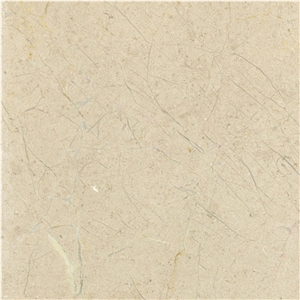
Perlatino Marble

Beige - Marble

Italy

About

Item Details

Material Type:
Marble
Origin:
Italy (Ruvo di Puglia)
Primary Color(s):
Beige
Recommended Usage:
Exterior - Interior wall and floor applications, monuments, countertops, mosaic, fountains, pool and wall capping, stairs, window sills
Additional Names:
Perlatino Beige Marble, Perlatino Limestone, Perlatino di Puglia, Trani Perlatino Marble, Perlatino Marble
Finished Surface:
Polished, Sawn Cut, Sanded, Rockfaced, Sandblasted, Tumbled

Testing

Water Absorption:
0.41 % by weight
Density:
2710 Kg/m3
Flexural Strength:
170 kg/cm2
Compressive Strength:
1330 kg/cm2

Description

Compactness Coefficient : [0-1] 0,985
Weight per unit volume : [g/cm3] 2,71
Breakage charge compression : [ kg/cm2]270.000 kg/cm2
Breakage charge after cycles subject to frost attack: [ kg/cm2] 1.330 kg/cm2
Thermal enlargement : [mm/m°C] 3,50 mm/m°C
Water imbibition coefficient : [kg/cm2] 1.400 kg/cm2
Breakage charge unitary to flexion : [ kg/cm2] 170 kg/cm2
Wear to friction : 3,50 mm/km

FAQ

Can Italy's Perlatino Marble be used exterior applications in cold climates?

Perlatino Marble, like many other types of marble, is generally not recommended for exterior applications in cold climates. Marble is a natural stone that is susceptible to damage from freezing temperatures, moisture, and harsh weather conditions. In cold climates, marble can experience problems such as freeze-thaw cycles, where the water that seeps into its pores freezes and expands, causing the stone to crack or break. Additionally, the constant exposure to moisture, ice, and snow can lead to discoloration, erosion, and a loss of structural integrity over time. If you are considering using Perlatino Marble in an exterior application in a cold climate, it would be wise to consult with a professional architect or stone specialist who can assess the specific conditions and advise on the best course of action. They may recommend alternative materials that are better suited for external use in cold climates, such as granite or porcelain tiles, which are more resistant to temperature changes and moisture penetration.

How thick is Italy's Perlatino Marble slabs?

The thickness of Italys Perlatino Marble slabs can vary depending on the specific product and manufacturer. However, most commonly, Perlatino Marble slabs are available in thicknesses ranging from 2 centimeters (0.79 inches) to 3 centimeters (1.18 inches).

Can Italy's Perlatino Marble be used in landscaping?

Yes, Italys Perlatino Marble can be used in landscaping. It is a versatile and durable natural stone that adds a touch of elegance and sophistication to outdoor spaces. Perlatino Marble can be used for various purposes in landscaping, such as paving walkways, creating patios, building retaining walls, constructing garden features like benches or fountains, and even for decorative elements like flower beds or borders. Its neutral color palette and unique veining patterns make it a popular choice for both traditional and contemporary landscaping designs.

Can Italy's Perlatino Marble be used outdoors?

Yes, Italys Perlatino Marble can be used outdoors. It is a durable and hard material, and its natural beauty makes it suitable for various outdoor applications. However, it is important to note that regular maintenance and sealing may be required to enhance its longevity and protect it from weathering and staining.

Can Italy's Perlatino Marble be used in a living room?

Yes, Italys Perlatino Marble can be used in a living room. Marble is a versatile and elegant material that can add a luxurious touch to any interior space. Perlatino Marble, specifically, features a light beige or cream color with fine grain and subtle veining, making it suitable for various design styles. Whether used as flooring, wall cladding, fireplace surround, or countertops, Perlatino Marble can enhance the aesthetic appeal of a living room. It provides a timeless and classic look that can complement different decor schemes, ranging from traditional to contemporary.

What grade is Italy's Perlatino Marble?

I dont have the most up-to-date information on Italys Perlatino marble grade. However, I can tell you that the Perlatino marble varies in quality and grade depending on the quarry and the processing methods used. Generally, the Perlatino marble is considered a high-quality marble and is widely used in the construction and interior design industries. The grade of the marble is determined by factors such as its color, grain pattern, and texture. The highest quality Perlatino marble is typically used for high-end projects and can be very expensive.

Are there color variations of Italy's Perlatino Marble?

Yes, there are subtle color variations of Italys Perlatino marble based on the batch and quarry it is sourced from. The marble generally features a light beige or cream background with small, irregular brown or grey veins that give it a natural and earthy appearance. Some variants may have more prominent veining or warmer tones, while others may be cooler in color. It is recommended to inspect each slab before purchase to ensure it meets the desired color specifications.

Is Italy's Perlatino Marble an expensive stone?

I do not have access to the current market prices of Perlatino Marble. However, marble is generally considered an expensive stone due to its rarity and beauty, and the price of Perlatino Marble may vary depending on factors such as quality, size, and availability. It is best to consult a certified stone dealer for more accurate pricing information.

Products & Prices

Hot Beige Marble

New Marble

Post Your Request

The request includes:
  1. surface finished, size
  2. quantity required