Post Your Needs

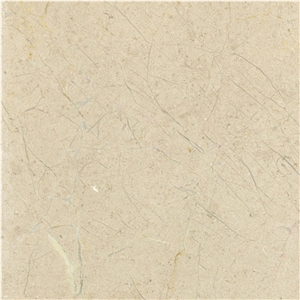
Persian Botticino Marble

Beige - Marble

Iran

About

Item Details

Material Type:
Marble
Origin:
Iran (Dehbid, Fars Province)
Primary Color(s):
Beige
Recommended Usage:
Countertops, monuments, mosaic, exterior - interior wall and floor applications, fountains, pool and wall capping, stairs, window sills
Additional Names:
Persian Botticina Marble, Botticino Of Iran Marble, Iran Botticino Marble, Persian Botticino Classic Marble, Royal Cream Marble, Royal Botticino Marble, Arian Beige Marble, Cream Persia Marble, Cream Shayan Marble, Shayan Marble, in China stone market:极品欧点(Jípǐn ōu diǎn), Persian Botticino Marble
Finished Surface:
Polished, Sawn Cut, Sanded, Rockfaced, Sandblasted, Tumbled

Description

Persian Botticino Marble is a kind of beige marble quarried in Iran. This stone is especially good for Countertops, monuments, mosaic, exterior - interior wall and floor applications, fountains, pool and wall capping, stairs, window sills and other design projects. It also called Persian Botticina Marble,Botticino Of Iran Marble,Iran Botticino Marble,Persian Botticino Classic Marble,Royal Cream Marble,Royal Botticino Marble,Arian Beige Marble,Cream Persia Marble,Cream Shayan Marble,Shayan Marble,in China stone market:极品欧点(Jípǐn ōu diǎn) . Persian Botticino Marble can be processed into Polished, Sawn Cut, Sanded, Rockfaced, Sandblasted, Tumbled and so on.

FAQ

Can I use Persian Botticino Marble as a fireplace hearth? Is it resistant to heat?

Yes, Persian Botticino Marble can be used as a fireplace hearth. It is a natural stone that is known for its durability and heat resistance, making it a popular choice for fireplace surrounds and hearths. However, it is always recommended to consult with a professional stone supplier or installer to ensure that the specific type of marble you choose is suitable for use in a fireplace.

My bathroom wall is covered with Persian Botticino Marble. There is a rust stain around the faucet. How can I clean it?

To clean the rust stain on your Persian Botticino Marble wall, you can try the following steps: 1. Mix a solution of equal parts water and white vinegar in a spray bottle. 2. Spray the solution directly onto the rust stain and let it sit for a few minutes to penetrate the stain. 3. Use a soft-bristled brush or cloth to gently scrub the stain in a circular motion. 4. Rinse the area with clean water and dry it with a soft towel. 5. If the stain persists, you can try using a commercial rust remover specifically designed for marble surfaces. Be sure to follow the instructions on the product carefully. Its important to avoid using harsh chemicals or abrasive cleaners on marble, as they can damage the surface. Always test any cleaning solution on a small, inconspicuous area of the marble wall before applying it to the stain to ensure it does not cause any discoloration or damage.

How can I clean the grout of Persian Botticino Marble wall tiles?

To clean the grout of Persian Botticino Marble wall tiles, you can follow these steps: 1. Start by removing any loose dirt or debris from the grout lines by vacuuming or sweeping the surface. 2. Mix a solution of warm water and mild detergent in a bucket. You can also add some white vinegar or baking soda for extra cleaning power. 3. Use a stiff-bristled brush or an old toothbrush to scrub the grout lines with the cleaning solution. Make sure to scrub in a circular motion to agitate the dirt and grime. 4. Rinse the grout lines thoroughly with clean water to remove any residue from the cleaning solution. 5. If the grout lines are still dirty or stained, you can try using a commercial grout cleaner or a mixture of hydrogen peroxide and baking soda. Apply the cleaner to the grout lines and let it sit for a few minutes before scrubbing and rinsing. 6. For tough stains or mold/mildew buildup, you may need to use a bleach-based cleaner specifically formulated for grout. Make sure to follow the manufacturers instructions and use proper ventilation when working with bleach. 7. Once the grout lines are clean, dry them with a clean towel or cloth to prevent water spots or streaks from forming on the marble tiles. 8. Finally, seal the grout lines with a grout sealer to protect them from future stains and dirt buildup. Follow the manufacturers instructions for application and reapplication as needed. By following these steps and maintaining regular cleaning and sealing of the grout lines, you can keep your Persian Botticino Marble wall tiles looking beautiful and clean.

My kitchen countertop made of Persian Botticino Marble has a vein that looks broken. Should I glue it?

Gluing a broken vein in marble is not recommended as it may cause further damage to the countertop and can be difficult to repair properly. If the vein is only a cosmetic issue and does not affect the structural integrity of the countertop, it may be best to leave it as is. However, if the broken vein is causing a safety hazard or affecting the functionality of the countertop, it may be necessary to consult with a professional stone fabricator for proper repair guidance.

My tabletop made of Persian Botticino Marble has scratches. How can I fix it?

To fix scratches on a Persian Botticino Marble tabletop, you can follow these steps: 1. Clean the surface: Start by cleaning the surface of the tabletop with a mild soap and warm water to remove any dirt or debris. Dry the surface thoroughly with a clean cloth. 2. Sand the scratches: Use a fine-grit sandpaper (around 200-400 grit) to gently sand the scratches on the marble surface. Be sure to sand in the direction of the grain to avoid causing further damage. Keep sanding until the scratches are no longer visible. 3. Polish the surface: Once the scratches have been sanded down, use a marble polishing compound to buff the surface of the tabletop. Apply the polishing compound according to the manufacturers instructions and use a clean, soft cloth to buff the surface until it shines. 4. Seal the surface: To protect the marble tabletop from future scratches and stains, consider sealing the surface with a marble sealer. Apply the sealer according to the manufacturers instructions and allow it to dry completely before using the tabletop. By following these steps, you should be able to fix the scratches on your Persian Botticino Marble tabletop and restore its beauty.

Can 2cm thick Persian Botticino Marble be used for stair steps?

Yes, 2cm thick Persian Botticino Marble can be used for stair steps. However, it is important to make sure that the marble is properly installed to ensure safety and durability. The marble should be securely anchored and the edges should be finished to prevent any potential tripping hazards. Additionally, a non-slip surface treatment may be applied to the marble to improve traction on the stairs. Consulting with a professional contractor or architect is recommended to ensure proper installation and safety measures are taken.

Do fruit juices and wine stain the surface of Persian Botticino Marble?

Both fruit juices and wine have the potential to stain the surface of Persian Botticino Marble if not cleaned up promptly. These liquids contain natural dyes that can penetrate the porous surface of the marble and leave a permanent stain. It is important to wipe up any spills immediately and clean the surface with a mild soap and water solution to prevent staining. Sealing the marble periodically can also help protect against staining from these liquids.

Is 2cm thick Persian Botticino Marble durable enough for use as walkway pavers?

2cm thick Persian Botticino Marble may not be durable enough for use as walkway pavers, especially in high traffic areas. Marble is a relatively soft and porous material compared to other types of stone like granite or travertine, so it can be prone to cracking, chipping, and staining. It may also wear down quickly over time if it is constantly being walked on. It is recommended to use a thicker and more durable material such as 3cm thick or higher granite or travertine for walkway pavers to ensure longevity and durability.

Does the surface of Persian Botticino Marble countertop scratch easily?

Yes, Persian Botticino Marble is a type of soft marble that is prone to scratching and etching. It is important to avoid placing sharp objects directly on the surface and to use cutting boards and trivets to protect the surface from damage. Regular sealing and proper maintenance can help minimize scratching and keep the marble looking its best.

Products & Prices

View More

Hot Beige Marble

New Marble

Post Your Request

The request includes:
  1. surface finished, size
  2. quantity required