


 Iran
Can Iran's Persian Tiger Onyx be used exterior applications in cold climates?
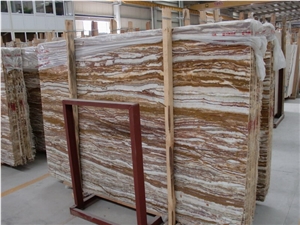
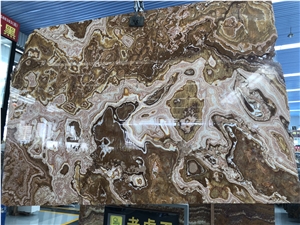
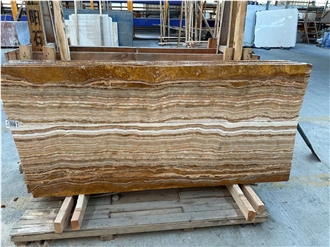
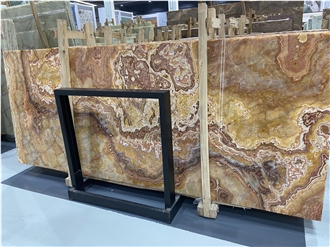
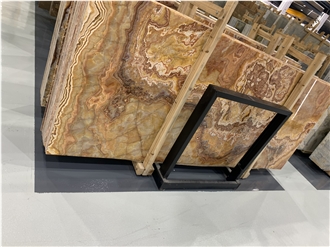
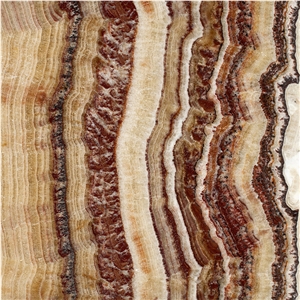
Irans Persian Tiger Onyx is a type of natural stone that is known for its unique patterns and colors. While it is a popular choice for interior applications, using it in exterior applications in cold climates can present some challenges.
One primary concern is the potential for frost damage. Cold climates often experience freezing temperatures, and water can seep into the stones pores. If this water freezes, it can cause the stone to crack or even break. Moreover, the constant freeze-thaw cycles can result in deterioration and a loss of the stones aesthetic appeal.
Additionally, another factor to consider is the porosity of the stone. Persian Tiger Onyx is a fairly porous material, which means it absorbs water more easily. In cold climates where precipitation is common, the stone may absorb moisture, which can lead to staining or discoloration over time.
To mitigate these issues, it is essential to properly seal the Persian Tiger Onyx before installing it in exterior applications. A high-quality sealer can help reduce water absorption and protect the stone from freeze-thaw damage. Regular maintenance and resealing may also be necessary to preserve its appearance and durability.
While it may be possible to use Persian Tiger Onyx in exterior applications in cold climates with proper precautions, it is worth consulting with a professional stone expert or a qualified installer who has experience working with the specific stone and the local climate conditions. They can provide specific guidance on whether it is a suitable choice for the intended application.
 16YR

 China





 Turkey



 Kyrgyzstan

 India
