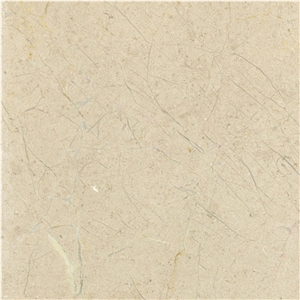
Philippines Perlato Marble

About
Item Details
- Material Type:
- Marble
- Origin:
Philippines (Antipolo, Rizal) - Primary Color(s):
- Beige
- Recommended Usage:
- Kitchen and bathroom countertops, monuments, building stone, ornamental stone, building stone, stairs, interior wall and floor applications, mosaic, waterjet pattern, wall panels, table tops, columns, fireplace surround
- Additional Names:
- Perlato Limestone, Perlato Philippines Marble, Philippines Perlato Limestone, Philippines Perlato Beige Marble, Teresa Beige Perlato Marble, Teresa Perlato Marble, Teresa Beige Marble, Philippines Perlato
- Finished Surface:
- Polished,Bush Hammered,Tumbled,Brushed,Honed,Split,Machine Cut,Natural Surface,Sandblasted,Combed,Leathered,Water Jet,Filled,Chiseled,Pickling
Testing
- Water Absorption:
- 0.20–0.40 % by weight
- Density:
- 2600–2700 Kg/m³
- Flexural Strength:
- 12–16 MPa
- Compressive Strength:
- 85–105 MPa
Description
Philippines Perlato Marble is a beautiful natural stone quarried in Antipolo, Rizal, Philippines. It is recognized for its light beige background color, accentuated with darker veins and subtle light hues, creating a warm and elegant appearance. One of its unique features is the presence of tiny sea shell fossil segments, which add a charming, organic pattern to the marble’s surface.
Color & Texture
- Color: Light beige to creamy background, with darker beige to brown veins that create a natural, wavy pattern.
- Texture: Smooth and fine-grained, with subtle fossil impressions and occasional crystalline flecks, adding depth and visual interest.
- Pattern: Predominantly linear and wavy veins, with delicate shell fossil segments appearing sporadically, giving each slab a unique, natural look.
Physical & Mechanical Properties
Typical test results (approximate ranges):
- Bulk Density: 2.60–2.70 g/cm³
- Water Absorption: 0.20–0.40% by weight
- Porosity: 0.50–1.50%
- Compressive Strength: 85–105 MPa
- Flexural Strength: 12–16 MPa
- Abrasion Resistance: 20–25 mm (in standard tests)
- Hardness (Mohs Scale): ~3–4 (typical of marble)
- Slip Resistance (polished): 0.40–0.50 (dry); 0.35–0.40 (wet)
- Thermal Conductivity: 2.4–2.8 W/mK
- Impact Resistance: Medium, with a low to moderate risk of chipping depending on usage.
Chemical Composition
Approximate chemical composition by weight:
- Calcium Carbonate (CaCO3): 94–96%
- Magnesium Carbonate (MgCO3): 1–3%
- Silica (SiO2): 0.5–1%
- Alumina (Al2O3): 0.1–0.3%
- Iron Oxide (Fe2O3): 0.2–0.5%
- Other trace elements (organic materials, minor mineral inclusions).
Mineral Composition
Primary Mineral:Calcite
Secondary minerals: Minor dolomite and quartz traces.
Uses & Applications
- Indoor: Flooring, wall cladding, countertops, fireplace surrounds, and stair treads.
- Outdoor (mild climates only): Facades, garden pathways, and pool surrounds (with caution, as marble is more prone to weathering outdoors).
- Decorative: Columns, balustrades, moldings, and sculptural elements.
Surface Finish Options
- Polished: For luxurious shine and richer color tones.
- Honed: Smooth, matte finish with reduced glare.
- Brushed / Leathered: Soft texture with a slightly rustic appearance.
- Sandblasted: Subtle texture for increased slip resistance.
- Antiqued: Distressed look for vintage charm.
Cutting Sizes & Slab Availability
- Standard thickness: 2 cm and 3 cm slabs
- Tile sizes (cm): 30x30, 30x60, 60x60, 60x120
- Custom cut-to-size panels and architectural pieces are also available based on project specifications.
Maintenance
- Sealing: Regular sealing (every 1–2 years) is recommended to protect from stains and enhance color.
- Cleaning: Use pH-neutral stone cleaners; avoid acidic or harsh cleaners as they can etch the marble.
- Polishing: Periodic re-polishing to maintain its lustrous finish.
- Handling: Care should be taken to prevent scratching, as marble is relatively soft compared to granite or quartzite.
FAQ
The average hardness of Philippines Perlato Marble is about 3.5 on the Mohs scale.
What is the coefficient of friction of Filled Philippines Perlato Marble tiles?
The coefficient of friction of Filled Philippines Perlato Marble tiles can vary depending on several factors such as the surface finish of the tiles, the presence of any coatings or sealants, and the specific testing method used to determine the coefficient of friction.
Generally, marble tiles have a coefficient of friction in the range of 0.4 to 0.6, with higher values indicating a higher level of slip resistance. However, it is recommended to consult with the manufacturer or supplier of the specific marble tiles you are interested in to obtain the accurate coefficient of friction for that particular product.
Can Philippines Perlato Marble be used exterior applications in cold climates?
Philippines Perlato Marble can be used in exterior applications in cold climates, but it may require additional care and maintenance. Cold temperatures can cause the marble to contract and potentially crack, so it is important to take certain precautions.
First, ensure that the marble is properly sealed to protect it from moisture absorption. This will prevent water from seeping into the stone and freezing, which could lead to cracking. Regular resealing may be required to maintain the sealing effectiveness.
Second, avoid using de-icing salts or chemicals on the marble, as these can cause damage. These substances can erode the surface of the marble and lead to discoloration or etching.
Third, keep in mind that frequent freeze-thaw cycles can accelerate damage to the marble. It is advisable to avoid using Philippines Perlato Marble in areas with extreme temperature fluctuations or where snow and ice are common.
Lastly, regular cleaning and maintenance are crucial to preserve the appearance and durability of the marble. Use a gentle, pH-neutral cleaner and avoid abrasive materials that could scratch the surface.
Overall, while Philippines Perlato Marble can be used in exterior applications in cold climates, it requires proper care and maintenance to avoid potential damage from freezing temperatures.
Can Philippines Perlato Marble be used in a bathroom?
Yes, Philippines Perlato Marble can be used in a bathroom. Marble is a durable and water-resistant natural stone that is commonly utilized in bathroom designs. It can be used for flooring, walls, countertops, shower surrounds, and even as decorative accents. However, it is important to properly seal and maintain the marble to prevent staining and damage from water and moisture.
Can Philippines Perlato Marble be used in landscaping?
Yes, Philippines Perlato Marble can be used in landscaping as decorative stones or garden accents. It can also be used as paving stones for outdoor walkways and driveways. Its neutral beige color and subtle texture give a natural and elegant look to any outdoor space. However, it may require some maintenance to keep its natural shine and prevent discoloration from exposure to weather and sunlight.
Can Philippines Perlato Marble be used outdoors?
Philippines Perlato Marble can be used outdoors in certain circumstances. It is important to keep in mind that marble is a natural stone and is prone to staining, chipping, and scratching. To use Philippines Perlato Marble outdoors, it is recommended to seal the stone and use it in a covered area that is not exposed to extreme weather conditions. It is not recommended to use marble in areas that are exposed to heavy foot traffic, as this can damage the surface of the stone. It is also important to clean and maintain the stone regularly to prevent damage and discoloration.
What grade is Philippines Perlato Marble?
Philippines Perlato Marble does not have a specific grade. The quality of the marble depends on factors such as the quarry, the processing, and the selection of the stone. However, Philippines Perlato Marble is known for its uniform beige color and delicate veining, making it a suitable choice for both interior and exterior applications.
How thick is Philippines Perlato Marble slabs?
I dont have access to the current inventory or specifications of all marble suppliers and manufacturers in the Philippines. However, Perlato Marble is commonly available in slabs with thicknesses ranging from 20 millimeters (0.787 inches) to 30 millimeters (1.181 inches). The variation in thickness depends on the specific quarry where the marble was extracted, as well as the processing and cutting techniques used by the supplier or manufacturer. Its best to check with the supplier or manufacturer for the exact measurements of the Perlato Marble slabs they offer.
Are there color variations of Philippines Perlato Marble?
Yes, there are color variations of Philippines Perlato Marble, ranging from light beige to creamy white, with veins of light brown or grey. Some stones may have more pronounced veining than others, giving them a unique appearance. Variation in color and veining is a natural characteristic of marble and adds to its beauty.
Is Philippines Perlato Marble an expensive stone?
I can only provide factual information. Philippines Perlato Marble is considered a luxury marble and falls under the category of expensive stones due to its quality and rarity. However, the exact price may vary depending on various factors such as the location, size, and availability. It is best to consult with a marble supplier or expert for more accurate pricing information.