Piasentina Stone

About
Item Details
- Material Type:
- Limestone
- Origin:
Italy (Torreano Faedis, San Leonardo, San Pietro al Natisone, Provincia di Udine, Friuli-Venezi) - Primary Color(s):
- Brown
- Recommended Usage:
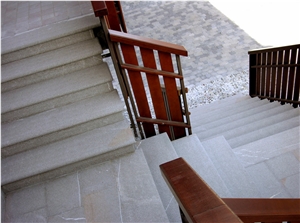
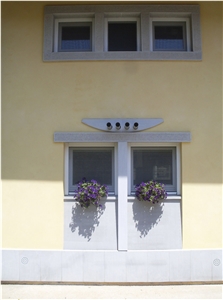
- Monuments, building stone, ornamental stone, stairs, interior, exterior wall and floor applications, mosaic, wall panels, reliefs, window sills, balustrades, columns, wall and pool copings, pool pavers, sculptures, fireplaces, cobbles, pavers, curbstone
- Additional Names:
- Nuova Piasentina, Pietra di Piasentina, Pietra Piasentina, Grigio Piasentina Limestone, Piasentina Stone
- Finished Surface:
- Polished,Flamed,Bush Hammered,Tumbled,Honed,Split,Machine Cut,Natural Surface,Acid Washing,Combed,Leathered,Water Jet,Chiseled,Pickling
Testing
- Water Absorption:
- 0.16 - 0.20 By volume %
- Density:
- 2690 kg/m3
- Flexural Strength:
- 23.7 MPa
- Compressive Strength:
- 157.0 - 173.0 MPa
- Stone texture:
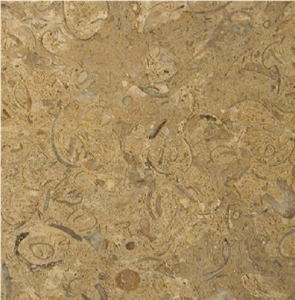
- a durable, compact, grey-brown sedimentary limestone from Italy's Friuli region, known for its distinctive white and golden-brown veins
Description
Piasentina Stone is a type of sedimentary limestone known for its durability and compact nature. It's quarried in the Friuli region of northeastern Italy, particularly in the areas of Torreano, Faedis, San Leonardo, San Pietro al Natisone, and within the Province of Udine. The stone features a distinctive grey-brown coloration with striking white and golden-brown veins, which enhances its aesthetic appeal.
Physical and Mechanical Properties
- Water Absorption: 0.16 - 0.20% by volume
- Density: 2690 kg/m³
- Flexural Strength: 23.7 MPa
- Compressive Strength: 157.0 - 173.0 MPa
- Hardness: Typically measures between 3 and 4 on the Mohs scale, indicating moderate hardness.
- Porosity: Low porosity, contributing to its durability and resistance to environmental factors.
- Slip Resistance: Moderate, which can vary depending on the surface finish applied.
- Mass Unit Volume: 2690 kg/m³
- Water Absorption: 0.16%
- Uniaxial Compressive Strength: 173 MPa
- Compressive Strength After Freezing: 157 MPa
- Tangent Modulus of Elasticity: 65,500 MPa
- Indirect Tensile Strength (Flexural): 23.7 MPa
- Relative Abrasion Coefficient (compared to Granite St. Fedelino): 0.71
- Impact Resistance – Minimum Drop Height: 45 cm
- Coefficient of Linear Thermal Expansion: 2.2 × 10⁻⁵ °C⁻¹
Source: Consorzio Produttori Pietra Piasentina
Chemical and Mineral Compositions
- Calcium Carbonate (CaCO3): Predominantly makes up the stone and is responsible for its limestone characteristics.
- Silica (SiO2): Present in varying amounts, contributing to structural strength.
- Aluminum Oxide (Al2O3) and Iron Oxide (Fe2O3): Present in smaller percentages, these elements contribute to the stone’s color variations and overall durability.
- Magnesium Carbonate (MgCO3): Usually present in smaller amounts, supports the stone's hardness and durability.
Uses
Piasentina Stone is versatile and widely used in:
- Flooring: Due to its durability and aesthetic appeal.
- Wall Cladding: Both interior and exterior applications.
- Kitchen Countertops and Bathroom Vanities: Its resistance to water absorption makes it suitable for wet areas.
- Staircases: Offers an elegant appearance with functional strength.
- Fireplace Surrounds and Mantels: Adds visual appeal and withstands heat well.
- Architectural Elements: Such as columns, cornices, and moldings.
Maintenance
- Cleaning: Regular cleaning with pH-neutral detergents is recommended to maintain its finish.
- Sealing: Periodic sealing may be required, particularly for countertops and flooring, to protect against staining and wear.
- Avoid Acids: Exposure to acidic cleaners or substances should be avoided to prevent etching.
Cutting Sizes
- Standard Tiles: Commonly available in sizes such as 30x30 cm, 30x60 cm, and 60x60 cm.
- Slabs: Larger slabs are also available for custom applications and specific projects. Standard slab thicknesses are 2 cm and 3 cm.
Available Common Surface Finish Options
- Polished: Offers a glossy, reflective surface ideal for interiors.
- Honed: Provides a smooth, matte finish, less reflective than polished surfaces.
- Brushed: Gives an aged, textured surface suitable for both indoor and outdoor use.
- Sandblasted: Increases slip resistance, ideal for outdoor flooring.
- Tumbled: Creates an antique appearance by softening edges and surfaces.
Piasentina Stone is valued not just for its aesthetic qualities, but also its functionality and ease of integration into various architectural designs and elements.
FAQ
Yes, Italys Piasentina Stone Sandstone can be used in landscaping. Piasentina Stone Sandstone is known for its durability, versatility, and aesthetic appeal, making it a popular choice for various landscaping projects. It can be used for paving pathways, creating patio and terrace areas, building retaining walls, constructing steps and stairs, and even for decorative elements such as garden walls or water features. Its natural, earthy tones and textured surface make it a visually pleasing choice for both traditional and contemporary landscaping designs.
Can Italy's Piasentina Stone Sandstone be used exterior applications in very humid climates?
Italys Piasentina Stone Sandstone can be used for exterior applications in humid climates to some extent, but it may not be the most suitable choice. Sandstone is a sedimentary rock that is relatively porous, meaning it can absorb water. In very humid climates, where there is high humidity and frequent rainfall, the sandstone may absorb moisture from the air and from rainfall, leading to potential issues.
If not properly sealed and maintained, the sandstone can be prone to water damage, such as cracking, spalling, and discoloration. The absorbed moisture can also freeze during colder months, causing further damage. Additionally, in very humid climates, there is a higher risk of mold and mildew growth on the surface of the stone.
However, if the Piasentina Stone Sandstone is appropriately sealed and maintained, it can still be used for certain exterior applications in humid climates. Regular sealing of the stone can help minimize water absorption and protect it from damage. It is important to choose a high-quality sealer designed for sandstone and reapply it periodically according to the manufacturers instructions.
It is recommended to consult with a local stone supplier or professional in your area who can provide specific guidance based on the local climate conditions and maintenance requirements. They will be able to assess the suitability of Piasentina Stone Sandstone for exterior applications in very humid climates and suggest alternative stone options if necessary.
Can Italy's Piasentina Stone Sandstone be used in a kitchen?
Yes, Piasentina Stone Sandstone from Italy can be used in a kitchen. Sandstone is a durable and heat-resistant natural stone, making it suitable for various applications, including kitchen countertops or backsplashes. However, it is important to properly seal and maintain the stone to ensure its longevity and prevent staining or damage from acidic substances. Additionally, sandstone may require regular re-sealing to keep it protected and looking its best in a kitchen setting.
What is the coefficient of friction of Leathered Italy's Piasentina Stone Sandstone tiles?
The coefficient of friction of Leathered Italys Piasentina Stone Sandstone tiles is not mentioned in the given information. To determine the coefficient of friction, it is necessary to refer to the specifications or technical data provided by the manufacturer or supplier of the tiles.
What grade is Italy's Piasentina Stone Sandstone?
Italys Piasentina Stone Sandstone is typically classified as a commercial grade stone.
Can Italy's Piasentina Stone Sandstone be used outdoors?
Yes, Italys Piasentina Stone Sandstone can be used outdoors. Sandstone is a durable and weather-resistant material, making it suitable for various outdoor applications such as paving, walkways, patios, and landscaping. It can withstand exposure to sun, rain, and other outdoor elements without significantly deteriorating. However, proper installation and maintenance are essential to ensure its longevity and prevent issues like staining or water damage.
How thick is Italy's Piasentina Stone Sandstone slabs?
Italys Piasentina Stone Sandstone slabs typically have a thickness of around 2 centimeters (0.79 inches) to 3 centimeters (1.18 inches). However, thickness can vary depending on the specific slab and the manufacturer. It is always recommended to check with the supplier or manufacturer for the exact thickness of the slabs.
Are there color variations of Italy's Piasentina Stone Sandstone?
Yes, there are variations of Italys Piasentina Stone Sandstone that occur naturally due to differences in sedimentation and mineral content. The stone can range in color from light beige to light gray with subtle variations of brown or yellow. The degree of color variation can also be influenced by the finishing techniques used during the stones production.
Is Italy's Piasentina Stone Sandstone an expensive stone?
I do not have access to up-to-date market prices. However, Piasentina stone is generally considered a medium-priced sandstone, with prices varying depending on factors such as color, finish, and size. It can cost anywhere from $40 to $100 per square foot or more. The price can also vary depending on the location where it is being sold.