


 France
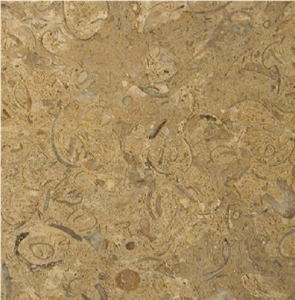
Can France's Pierre de Balanod Limestone be used exterior applications in cold climates?
The Pierre de Balanod limestone, commonly found in France, can be used for exterior applications in cold climates depending on its specific characteristics and properties.
Limestone is a natural stone with varying degrees of hardness, density, and porosity, which can affect its performance in different climates. Some types of limestone may be more prone to damage from freezing and thawing cycles, especially if they have high porosity or contain water-absorbing minerals.
To determine whether the Pierre de Balanod limestone is suitable for exterior use in cold climates, it is essential to consider the following factors:
1. Frost Resistance: The limestone should have good frost resistance to withstand the repeated freezing and thawing that occurs in cold climates. Testing the specific type of Pierre de Balanod limestone for its resistance to freeze-thaw cycles is recommended.
2. Porosity: The limestones porosity affects its ability to absorb water. Higher porosity may increase the risk of damage from freeze-thaw cycles. A lower porosity limestone would generally be more suitable for exterior use in cold climates.
3. Density: A denser limestone would typically be more resistant to potential damage caused by moisture absorption and subsequent freezing and thawing.
4. Surface Finish: The limestones surface finish can also impact its durability in cold climates. A polished or smooth finish may be more susceptible to damage than a textured or honed finish, which can provide better traction and resistance to weathering.
Consulting with a local stone supplier or a professional architect or designer experienced in using limestone in cold climates can provide more specific guidance based on the characteristics of the Pierre de Balanod limestone available. Additionally, considering the installation techniques and maintenance procedures specific to the climate can help ensure the longevity and performance of the limestone in exterior applications.


 Italy


 Spain

 United Kingdom
 Portugal

 Lebanon

 Norway

 Croatia

 Bulgaria

 China

