Post Your Needs

Pierre de Caen Limestone

Beige - Limestone

France

About

Item Details

Material Type:
Limestone
Origin:
France (Caen, north-western France)
Primary Color(s):
Beige
Recommended Usage:
Kitchen and bathroom countertops, wash basins, building stone, ornamental stone, stairs, interior, exterior wall and floor applications, mosaic, waterjet pattern, wall panels, table tops, balustrades, columns, wall and pool copings, pool pavers, sculptures, fireplaces, window sills
Additional Names:
Caen Stone, Caen Limestone, Pierre Caen, Pierre de Caen
Finished Surface:
Polished,Bush Hammered,Tumbled,Brushed,Honed,Split,Machine Cut,Natural Surface,Sandblasted,Acid Washing,Combed,Leathered,Water Jet,Filled,Chiseled,Pickling

Testing

Water Absorption:
>1 %
Density:
2150 Kgm3
Compressive Strength:
45.3 N/mm2
Stone texture:
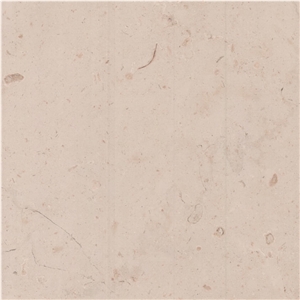
renowned for its soft, creamy beige color and fine, uniform texture, which make it highly suitable for both architectural and decorative applications. Color Base: Light beige to soft cream Texture: Fine and uniform; ideal for polishing, honing, or sawn finishes Pattern: Subtle and consistent with minimal veining, sometimes showing natural fossil inclusions

Description

Pierre de Caen Limestone is a prized natural stone primarily quarried in Caen, north-western France. Its soft, creamy beige color and fine, uniform texture make it highly desirable for various architectural and decorative applications. Below is a detailed description of its properties, compositions, usage, and finishing options:

Physical and Mechanical Properties:

  • Color Base: Light beige to soft cream
  • Texture: Fine and uniform, ideal for polishing, honing, or sawn finishes
  • Pattern: Subtle and consistent with minimal veining, sometimes displaying natural fossil inclusions
  • Water Absorption: >1%
  • Density: 2150 kg/m³
  • Flexural Strength: Generally, limestone displays moderate flexural strength; specific values for Pierre de Caen may need verification.
  • Compressive Strength: 45.3 N/mm²
  • Hardness: Limestone is typically not very hard; values should be confirmed in specific tests (usually ranging from 3-4 Mohs).
  • Porosity: Relatively high, contributing to its water absorption characteristics.
  • Slip Resistance: Can be moderate; finish methods (like honing) affect slip resistance, often needing treatment for slip-prone areas.

Chemical and Mineral Composition (% by weight):

  • Calcium Carbonate (CaCO3): Typically 90-95%, being predominant as is common in most limestones.
  • Minor Components: May include magnesium carbonate, silica, clay, iron oxides, and organic materials, usually in trace amounts needed for specific analysis.

Usage:

  • Architectural Use: Suitable for cladding, facades, and structural components in both modern and historical architectural projects.
  • Decorative Use: Ideal for sculptural elements, fireplaces, and interior wall panels due to its fine texture and subtle color palette.
  • Flooring and Paving: Generally employed in areas with lighter foot traffic due to its relative softness and porosity.

Maintenance:

  • Regular Cleaning: Use of neutral pH cleansers to avoid etching or dulling the finish.
  • Sealant Application: Recommended to reduce porosity and improve resistance to stains and water ingress.
  • Polishing and Honing: Periodic honing or polishing may be needed to maintain its aesthetic appeal.

Surface Finish Options:

  • Polished: Offers a glossy, highly reflective surface, enhancing color intensity.
  • Honed: Provides a smooth, matte finish preferred for flooring and exterior use for slip resistance.
  • Sawn: Natural texture that shows more of the stone’s character.
  • Brushed or Antiqued: Creates a weathered or aged appearance.

Pierre de Caen Limestone is a versatile and visually appealing material, known for its ease of working and classic appearance. However, its softer nature and porosity require thoughtful application and care, particularly in high-use areas or external environments exposed to harsh weather.

FAQ

Can France's Pierre de Caen Limestone be used exterior applications in hot climates?

Yes, Frances Pierre de Caen Limestone can be used in exterior applications in hot climates. Limestone is a durable and weather-resistant material that can withstand high temperatures. However, it is always recommended to consult with a local expert or manufacturer to ensure that the specific type of limestone you are considering is suitable for the hot climate and intended use.

Can France's Pierre de Caen Limestone be used in landscaping?

Yes, Frances Pierre de Caen limestone can be used in landscaping. It is known for its durability and natural beauty, making it a popular choice for various landscaping projects. This limestone is often used for paving pathways and patios, creating stunning garden walls and edges, and even constructing outdoor fireplaces or water features. Its classic appearance and versatile nature make Pierre de Caen limestone an excellent option for enhancing the aesthetic appeal of outdoor spaces.

Can France's Pierre de Caen Limestone be used in a kitchen?

Yes, Frances Pierre de Caen limestone can be used in a kitchen. Limestone is a natural stone that is commonly used as a countertop material in kitchens. It is a durable and heat-resistant material that can withstand the demands of a kitchen environment. However, it is important to note that limestone is a porous stone and can be susceptible to staining and damage from acidic substances. Therefore, it is recommended to seal the limestone surface to protect it from stains and regular maintenance is required to keep it in good condition.

What is the coefficient of friction of Leathered France's Pierre de Caen Limestone tiles?

The coefficient of friction of Leathered Frances Pierre de Caen Limestone tiles may vary depending on several factors, including the specific finish and treatment applied to the tiles. It would be best to contact the manufacturer or supplier of the tiles to obtain accurate and up-to-date information on the coefficient of friction for that particular product.

Are there color variations of France's Pierre de Caen Limestone?

Yes, there are some color variations of Pierre de Caen Limestone. The limestone typically comes in shades of gray, ranging from light gray to dark gray. Some variations may also have hints of brown or beige tones. The specific color variations can depend on factors such as the quarry from which the limestone is sourced and the specific geological composition of the stone. Overall, the color variations of Pierre de Caen Limestone are generally within the gray spectrum.

Can France's Pierre de Caen Limestone be used outdoors?

Yes, Pierre de Caen Limestone can be used outdoors. It is a durable and weather-resistant natural stone that has been traditionally used for outdoor flooring, paving, wall cladding, and landscaping in France and other parts of Europe. However, it is important to note that the stone may require sealing and periodic maintenance to preserve its color, texture, and integrity in outdoor environments. It is recommended to consult with a professional stone supplier or installer for guidance on the suitability and care of Pierre de Caen Limestone for your specific outdoor project.

How thick is France's Pierre de Caen Limestone slabs?

I do not have access to real-time information, and it is unclear what specific limestone slabs of Pierre de Caen in France you are referring to. However, typical thicknesses for limestone slabs used in construction range from 1 ? inches to 1 ? inches.

Is France's Pierre de Caen Limestone an expensive stone?

I dont have access to real-time pricing information. However, Pierre de Caen limestone is generally considered to be a high-end stone, and its price can vary depending on the size and quality of the stones, as well as the location and supplier. It is a popular choice for both exterior and interior applications due to its durability and beautiful natural appearance.

Products & Prices

Hot Beige Limestone

New Limestone

Post Your Request

The request includes:
  1. surface finished, size
  2. quantity required