Post Your Needs

Pierre de Chandore

Beige - Limestone

France

About

Item Details

Material Type:
Limestone
Origin:
France (Champdor (AIN),Rhone Alps region of France)
Primary Color(s):
Beige
Recommended Usage:
Kitchen and bathroom countertops, wash basins, building stone, ornamental stone, stairs, interior, exterior wall and floor applications, mosaic, waterjet pattern, wall panels, table tops, balustrades, columns, wall and pool copings, pool pavers, fireplaces
Additional Names:
Pierre de Chandore Clair Limestone, Pierre Chandore, Hauteville Limestone, Pierre Hautecombe, Hauteville Perlé Limestone, Hauteville Chandore Lompnes Limestone, Mornoux Stone, Pierre de Chandore
Finished Surface:
Polished,Bush Hammered,Tumbled,Brushed,Honed,Split,Machine Cut,Natural Surface,Sandblasted,Combed,Leathered,Water Jet,Filled,Chiseled,Pickling

Testing

Density:
2670 kg/m3
Flexural Strength:
17.2 MPa
Compressive Strength:
211.0 MPa
Stone texture:
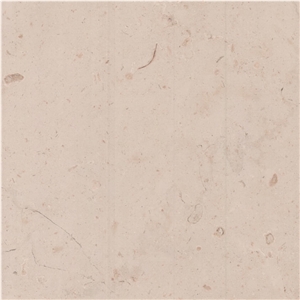
light beige tone, fine compact texture, and delicate golden-rose veining, Very fine, compact microcrystalline structure,Non-porous, dense surface with minimal open cavities

Description

Pierre de Chandore is a distinctive type of limestone quarried in the Champdor region of AIN, within the Rhône-Alpes area of France. Known for its aesthetic and structural qualities, it exhibits the following features:

Color and Appearance:

  • Primary Color: Light Beige
  • Veining: Delicate golden-rose veining
  • Texture: Very fine, compact microcrystalline structure
  • Surface: Non-porous, dense with minimal open cavities

Physical and Mechanical Properties:

  • Water Absorption: Very low due to its non-porous nature
  • Density: 2670 kg/m³
  • Flexural Strength: 17.2 MPa (megapascals)
  • Compressive Strength: 211.0 MPa
  • Hardness: Typically falls in the middle range for limestone; exact measurements need site-specific testing
  • Porosity: Low due to dense surface composition
  • Slip Resistance: This characteristic can vary depending on the finish applied; typically requires testing as per usage scenario

Chemical and Mineral Compositions (% by weight):

  • Calcium Carbonate (CaCO3): Predominant component
  • Magnesium Carbonate: Typically present in small quantities
  • Silica (SiO2), Alumina (Al2O3), and Iron Oxides: Trace elements contributing to structural characteristics and appearance

Usage:

  • Building and Architectural Applications: Used in both interior and exterior settings, including flooring, cladding, and facades
  • Sculptural and Decorative Elements: Ideal for refined detail work given its fine texture
  • Paving and Landscaping: Suitable for terraces, paths, and garden features due to durability

Maintenance:

  • Routine Cleaning: Usually involves non-abrasive, pH-neutral cleansers
  • Sealing: Recommended to protect against stains if used in high-traffic or moisture-prone areas
  • Repair: Filling material may be employed should minor chips or cracks occur

Cutting Sizes (in cm):

  • Commonly provided in standard slabs and tiles; custom sizes available on request:
  • Slabs: Typically range from 2 cm to 5 cm thickness
  • Tiles and Panels: Standard sizes like 30x30 cm, 30x60 cm, and bespoke dimensions for specific projects

Common Surface Finishes Available:

  • Polished: Enhances color while providing a smooth, reflective surface
  • Honed: Offers a matte finish, reducing visibility of natural texture
  • Brushed: Introduces a textured, slip-resistant surface
  • Bush-Hammered: Provides a rugged, non-slip texture ideal for exterior applications

Overall, Pierre de Chandore is recognized for its subtle beauty, structural integrity, and versatility across various applications. Each project benefits from bespoke customization of size and finish, tailored to meet specific design and functional requirements.

FAQ

Can France's Pierre de Chandore Limestone be used in a dining room?

Yes, Frances Pierre de Chandore Limestone can be used in a dining room. Limestone is a popular natural stone material that is often used for flooring or wall cladding, including in dining rooms. It offers a elegant and sophisticated look and can add a touch of luxury to the space. However, it is important to note that limestone is a porous material and may require regular sealing and maintenance to protect it from stains and damage.

Can France's Pierre de Chandore Limestone be used exterior applications in very windy climates?

Yes, Frances Pierre de Chandore Limestone can be used for exterior applications in very windy climates. However, it is important to note that the limestones durability and resistance to weathering may vary depending on its specific composition and quality. It is advisable to consult with a professional architect or stone supplier to ensure that the particular variety of Pierre de Chandore Limestone chosen is suitable for the intended application and can withstand the harsh conditions of the specific windy climate. Additionally, proper installation techniques and regular maintenance may be necessary to ensure the longevity and integrity of the limestone in such environments.

Can France's Pierre de Chandore Limestone be used in landscaping?

Yes, Frances Pierre de Chandore Limestone can be used in landscaping. Limestone is a popular choice for landscaping projects due to its durability, versatility, and natural beauty. It can be used for various landscaping elements such as pathways, patios, retaining walls, garden edging, steps, and decorative features. The Pierre de Chandore Limestone specifically is known for its light beige color and unique fossilized markings, which can create a distinctive and elegant look in landscaping designs.

Can France's Pierre de Chandore Limestone be used outdoors?

Yes, Frances Pierre de Chandore limestone can be used outdoors. Limestone is a durable and versatile natural stone that is commonly used in outdoor applications such as patios, pathways, and garden hardscaping. It is resistant to weathering and can withstand moisture, making it suitable for exterior use. However, it is important to note that proper sealing and maintenance would be necessary to protect and preserve the stone, especially in areas with harsh weather conditions.

How thick is France's Pierre de Chandore Limestone slabs?

The thickness of Frances Pierre de Chandore limestone slabs can vary depending on the specific quarry and manufacturer. However, most commonly, these slabs are available in thicknesses ranging from 2 centimeters (0.79 inches) to 3 centimeters (1.18 inches).

Are there color variations of France's Pierre de Chandore Limestone?

Yes, there are color variations of Frances Pierre de Chandore limestone. This natural stone comes in a range of colors including beige, cream, light gray, and occasionally with blue or brown undertones. The exact color variations may depend on the specific quarry and location from which the stone is sourced.

Is France's Pierre de Chandore Limestone an expensive stone?

I dont have access to current market prices, but I can tell you that Pierre de Chandore Limestone is a high-quality natural stone that is used in many high-end construction and decoration projects. Therefore, it is likely to be relatively expensive compared to other types of limestones. Market conditions, including supply and demand, can also affect the price of this stone.

Customer reviews

Customer reviews

Write a Review
MEL**** France

Bonjour,j'aurais voulu avoir un devis pour avoir un top en pierre de chandore,de dimension 2800X425X ep 30 .

Helpful (0) 0Reply

Products & Prices

View More

Hot Beige Limestone

New Limestone

Post Your Request

The request includes:
  1. surface finished, size
  2. quantity required