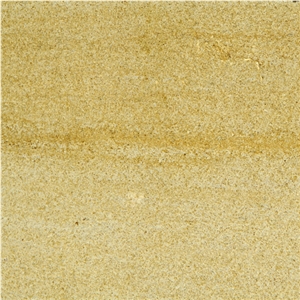
Pierre de Jaumont Limestone

About
Item Details
- Material Type:
- Limestone
- Origin:
France (Roncourt, Saint-Privat-la-Montagne, Malancourt-la-Montagne and Marange-Silvange) - Primary Color(s):
- Gold
- Recommended Usage:
- building stone, countertops, sinks, monuments, pool coping, sills, stairs, ornamental stone, interior, exterior
- Additional Names:
- Jaumont Limestone, Sunstone Limestone, Pierre de Soleil, Jaumont Banc Lacour Limestone, Pierre de Jaumont
- Finished Surface:
- Polished,Flamed,Bush Hammered,Tumbled,Brushed,Honed,Split,Machine Cut,Natural Surface,Sandblasted,Acid Washing,Combed,Leathered,Water Jet,Filled,Chiseled,Pickling
Testing
- Density:
- 2040 kg/m3
- Flexural Strength:
- 5.8 MPa
- Compressive Strength:
- 22 MPa
- Stone texture:
- a distinctive French limestone quarried in the Lorraine region. It is highly prized for its vibrant golden yellow to honey tones, which give interiors and exteriors a warm and luminous appearance. Color Base: Bright golden yellow, honey, sometimes with subtle brownish shades Texture: Fine to medium grain; smooth surface suitable for polishing, honing, or natural sawn finishes Pattern: Generally uniform with natural veining and occasional fossil traces
Description
Pierre de Jaumont is a unique limestone known for its distinctive bright golden yellow to honey tones, accented with occasional subtle brownish shades. This limestone is quarried in the Lorraine region of France, specifically in areas like Roncourt, Saint-Privat-la-Montagne, Malancourt-la-Montagne, and Marange-Silvange. The stone is appreciated globally for providing a warm and luminous appearance to both interior and exterior designs.
Physical and Mechanical Properties
- Color Base: Bright golden yellow, honey, sometimes with subtle brownish shades.
- Texture: Fine to medium grain; smooth surface that can be polished, honed, or left with a natural sawn finish.
- Pattern: Generally uniform with natural veining and occasional fossil traces.
- Density: Approximately 2040 kg/m³.
- Water Absorption: Typically low, ensuring good durability.
- Flexural Strength: Around 5.8 MPa, indicating moderate flexibility.
- Compressive Strength: Approximately 22 MPa, which demonstrates the stone’s ability to withstand compressive loads.
- Porosity: Medium, which can affect water absorption and weathering resistance.
- Hardness: Moderate, allowing for detailed carving and shaping.
- Slip Resistance: Variable depending on finish, with honed surfaces providing higher slip resistance than polished ones.
Chemical and Mineral Compositions (Approx. % by weight)
- Calcium Carbonate (CaCO3): Typically comprises the majority, usually over 90%.
- Magnesium Carbonate (MgCO3): Present in small amounts.
- Silica (SiO2): Minor component that may contribute to texture.
- Iron Oxides (Fe2O3): Gives the stone its characteristic golden hue.
- Alumina (Al2O3): Also found in trace amounts.
Usage
- Interior Design: Floors, counter-tops, wall cladding, and decorative elements.
- Exterior Applications: Facades, paving, and outdoor architectural features.
- Monuments and Sculptures: Historical and new sculptures due to its workability.
Maintenance
- Cleaning: Regular cleaning with pH-neutral products to maintain appearance.
- Sealing: It’s advisable to use a sealant to protect against stains and moisture.
- Repairs: Professional repair kits are available for minor damage.
Common Surface Finish Options
- Polished: For a high-gloss, reflective surface.
- Honed: Matte finish, providing a smooth but non-reflective appearance.
- Natural Sawn: Retains the stone’s natural texture and appearance.
- Bush-Hammered: For a textured, non-slip surface.
- Sandblasted: Provides a slightly rough surface, reducing slip risks.
In summary, Pierre de Jaumont Limestone is a versatile and aesthetically appealing material suitable for a range of architectural and decorative applications. Its combination of beauty, durability, and workability makes it a popular choice for both traditional and contemporary projects.
FAQ
Yes, Frances Pierre de Jaumont limestone can be used in a bathroom. Limestone is a durable and versatile natural stone that is commonly used in bathrooms for various applications such as flooring, wall cladding, shower walls, and vanity tops. It offers a timeless and elegant look and can create a warm and inviting atmosphere in a bathroom. However, it is important to note that limestone is a porous material, so it should be properly sealed and maintained to protect it from water damage and staining in a bathroom environment.
Can France's Pierre de Jaumont Limestone be used exterior applications in very windy climates?
Pierre de Jaumont Limestone, found in France, can generally be used for exterior applications in windy climates. Limestone is a durable and strong natural stone that can withstand various weather conditions, including windy environments.
However, it is important to note that the specific characteristics and quality of the limestone can vary, depending on the source and processing methods. Some varieties of limestone may have lower resistance to wind and other climatic factors. Therefore, it is crucial to ensure that the particular Pierre de Jaumont Limestone being considered for exterior use has been tested and verified to withstand wind and other weather elements.
Additionally, proper installation techniques and maintenance are essential for any exterior application, especially in windy climates. Adequate anchoring and support should be provided to ensure the stability and longevity of the limestone in such conditions.
Ultimately, consulting with a professional stone supplier or architect experienced in working with Pierre de Jaumont Limestone in windy climates would provide the most accurate information and guidance for your specific project.
What is the average water absorption of France's Pierre de Jaumont Limestone?
There is no specific information available regarding the average water absorption of Frances Pierre de Jaumont Limestone. The water absorption of natural stones like limestone can vary depending on various factors, including the specific quarry, processing technique, and quality of the stone. It is recommended to contact suppliers or experts in the field for accurate and up-to-date information on the water absorption of Pierre de Jaumont Limestone.
Can France's Pierre de Jaumont Limestone be used in floor coverings?
Yes, Pierre de Jaumont limestone from France can be used as a material for floor coverings. Limestone is a durable natural stone that is commonly used in flooring applications due to its strength and longevity. Pierre de Jaumont limestone, in particular, is known for its unique yellow color and can add a touch of elegance to any space.
How thick is France's Pierre de Jaumont Limestone slabs?
The thickness of Pierre de Jaumont limestone slabs in France can vary depending on the specific requirements and purpose. Typically, these slabs can range from 2 centimeters (0.79 inches) to 5 centimeters (1.97 inches) in thickness. However, custom orders can be made for thicker or thinner slabs based on individual needs.
Can France's Pierre de Jaumont Limestone be used outdoors?
Yes, Pierre de Jaumont limestone can be used outdoors. It is a durable and weather-resistant natural stone often used for building facades, walkways, and exterior walls. However, it is important to properly seal and maintain the stone to prevent discoloration and erosion over time.
What is the coefficient of friction of Pickled France's Pierre de Jaumont Limestone tiles?
I dont have access to up-to-date information about the particular type of limestone tiles you mentioned. However, the coefficient of friction of Pierre de Jaumont Limestone tiles can vary depending on several factors such as finish (honed, polished, brushed), surface texture, and use (indoor or outdoor). A standard range for limestone tiles is between 0.4 and 0.7, with honed and brushed finishes usually having a higher coefficient of friction than polished tiles. Its best to consult with the manufacturer or supplier of the specific tiles youre interested in for more accurate information.
Are there color variations of France's Pierre de Jaumont Limestone?
Yes, there are color variations of Pierre de Jaumont Limestone depending on the quarry and the level of iron oxide present in the stone. The most common color variations range from beige to yellow with occasional gray veins.
What grade is France's Pierre de Jaumont Limestone?
I dont have information on the particular grade of Pierre de Jaumont Limestone in France. Can you please provide me with more context or clarify your question?
Is France's Pierre de Jaumont Limestone an expensive stone?
I cant give a definite answer to the current market price of Pierre de Jaumont limestone, as prices can vary and fluctuate over time. However, Pierre de Jaumont limestone is considered a high-end and luxury material for construction and decorative purposes, which implies that it is generally more expensive than other types of limestone.