Post Your Needs

Pietra di Istria Limestone

Beige - Limestone

Croatia

About

Item Details

Material Type:
Limestone
Origin:
Croatia (Bale, Kanfanar, Istria)
Primary Color(s):
Beige
Recommended Usage:
Kitchen and bathroom countertops, wash basins, building stone, ornamental stone, stairs, interior, exterior wall and floor applications, mosaic, waterjet pattern, wall panels, table tops, balustrades, columns, wall and pool copings, pool pavers, sculptures, fireplaces
Additional Names:
Pietra d'Istria Limestone, Istrian Limestone, Bale Beige Limestone, Bale Beige Marmor, Bale Marmor, Giallo d Istria Limestone, Giallo di Istria Limestone, Giallo d'Istria Limestone, Pietra d'Istria Limestone, Giallo Istria Limestone, Pietra di Istria
Finished Surface:
Polished,Bush Hammered,Tumbled,Brushed,Honed,Split,Machine Cut,Natural Surface,Sandblasted,Combed,Leathered,Water Jet,Filled,Chiseled,Pickling

Testing

Water Absorption:
1.04 %
Density:
2650 - 2680 kg/m3
Flexural Strength:
14.0 MPa
Compressive Strength:
165 - 214 MPa

Description

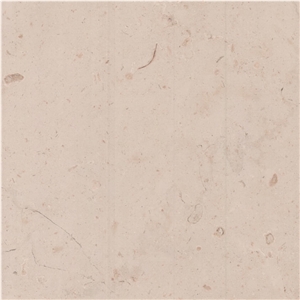
Pietra di Istria Limestone is a distinguished sedimentary rock, renowned for its warm beige color with delicate light cream shades and soft golden cream hues. Quarried in the region of Kanfanar, Istria, Croatia, it is highly valued for its timeless aesthetic and versatility in a wide range of architectural and design applications.

Texture and Pattern

Pietra di Istria features a fine-grained texture with occasional variations in color and subtle patterns. Its surface may contain small fossil imprints or gentle veining, giving the stone a distinctive, natural appearance. The color palette, ranging from soft beiges to warm golden creams, adds an inviting and sophisticated touch to any project.

Chemical and Mineral Composition

Pietra di Istria Limestone is primarily composed of calcium carbonate (CaCO?), typical of many limestones. The mineral composition includes:

Calcite: The dominant mineral, responsible for the stone's structure and light color.

Clay minerals: Present in varying amounts, contributing to the stone's fine-grained texture.

Silica: In small quantities, adding to the stone's durability.

Other minerals: Includes traces of iron oxide and magnesium, which can influence the natural coloring of the stone.

The limestone's chemical stability makes it resistant to weathering, but like all limestones, it may react to acidic substances over time, requiring proper care and maintenance.

Physical Test Results

Compressive Strength: Pietra di Istria offers a high compressive strength, making it durable and suitable for structural and heavy-use applications.

Water Absorption: This limestone has a moderate water absorption rate, meaning it can be used in both dry and wet environments, though it is best sealed for outdoor or high-moisture areas.

Hardness: It has a relatively soft to medium hardness, which makes it easy to work with but still durable enough for most applications.

Flexural Strength: The stone is resistant to bending and breaking under pressure, which adds to its suitability for flooring and cladding.

Usage

Pietra di Istria is incredibly versatile and can be used in both residential and commercial projects. Its uses include:

Flooring: Ideal for both interior and exterior spaces, adding warmth and elegance to any room.

Wall Cladding: Perfect for creating textured or polished surfaces on both interior and exterior walls.

Countertops and Vanities: Its soft, consistent color makes it an excellent choice for bathroom and kitchen surfaces.

Architectural Elements: Can be used for steps, columns, facades, and other custom elements.

Maintenance

Pietra di Istria is relatively low-maintenance but requires some attention to keep it looking its best:

Sealing: It is recommended to seal the stone periodically to prevent staining, particularly in high-traffic areas or environments where liquids may come in contact with the surface.

Cleaning: Regular cleaning with a mild pH-neutral detergent is sufficient. Avoid acidic cleaners, as they can damage the stone.

Polishing: If polished, the surface may require occasional re-polishing to maintain its shine and finish.

Cutting and Surface Finish Options

Pietra di Istria can be easily cut into a variety of shapes and sizes, making it suitable for a wide range of design options. Popular cutting and surface finishing options include:

Sawn or Cut-to-Size: For custom projects requiring specific dimensions.

Honed Finish: Provides a smooth, matte surface ideal for flooring, countertops, and wall cladding.

Polished Finish: Achieves a glossy, reflective surface that enhances the stone's natural color and patterns.

Tumbled or Brushed Finish: Adds a more rustic, textured feel, ideal for exterior paving or traditional design schemes.

Leathered Finish: A more textured, matte surface with a soft sheen, offering a contemporary look.

Conclusion

Pietra di Istria Limestone offers a beautiful balance of aesthetic appeal and functional versatility. Its soft golden cream hues and fine-grained texture make it an attractive option for a wide range of applications, while its durability and ease of maintenance ensure it remains a long-lasting choice for both modern and traditional design projects. Whether for flooring, cladding, countertops, or decorative elements, Pietra di Istria continues to be a timeless choice for those seeking natural stone with character and charm.

FAQ

What is the coefficient of friction of Filled Croatia's Pietra di Istria Limestone tiles?

The coefficient of friction for Filled Croatias Pietra di Istria Limestone tiles can vary depending on several factors such as the specific type of limestone used, the surface finish of the tiles, and the presence of any additional treatments or sealants. It is recommended to consult with the manufacturer or supplier of the tiles to obtain accurate information on the coefficient of friction for the specific product in question.

Can Croatia's Pietra di Istria Limestone be used in a dining room?

Yes, Croatias Pietra di Istria Limestone can be used in a dining room. Limestone is a versatile and durable natural stone that can be used for flooring, wall cladding, countertops, and other interior design elements. Pietra di Istria Limestone is known for its light beige color and soft, elegant appearance, making it suitable for creating a sophisticated and timeless atmosphere in a dining room. Whether used for flooring or as an accent wall, this type of limestone can add a touch of natural beauty to the space.

Can Croatia's Pietra di Istria Limestone be used in wall coverings?

Yes, Croatias Pietra di Istria limestone can be used in wall coverings. It is a popular choice for interior and exterior walls due to its durability, versatility, and attractive appearance. The limestone can be cut into various sizes and shapes to create wall cladding or veneer. Its warm tones and distinct texture add a natural and timeless charm to any space.

What grade is Croatia's Pietra di Istria Limestone?

The Pietra di Istria limestone is not graded in terms of traditional academic grading systems. It is a type of limestone that is known for its high quality and is commonly used in architectural and construction projects in Croatia and other parts of Europe.

Can Croatia's Pietra di Istria Limestone be used outdoors?

Yes, Croatias Pietra di Istria Limestone can be used outdoors. It is widely used in architectural projects for outdoor spaces such as facades, pavements, and landscaping. The limestone is known for its durability and weather resistance, making it suitable for exterior applications. However, it is important to note that regular maintenance and sealing may be required to maintain its appearance and prevent staining or damage caused by external factors.

Can Croatia's Pietra di Istria Limestone be used exterior applications in very windy climates?

Yes, Croatias Pietra di Istria Limestone can be used for exterior applications in very windy climates. Limestone is a durable and weather-resistant material that can withstand strong winds. However, it is always recommended to consult with a professional architect or contractor who can assess the specific environmental conditions and provide guidance on the suitability of the material for your particular application.

How thick is Croatia's Pietra di Istria Limestone slabs?

I dont have access to the exact dimensions of all Pietra di Istria Limestone slabs in Croatia. However, the thickness of Pietra di Istria Limestone slabs can vary depending on the specific quarry, but generally, they range from 2-3 centimeters (0.8-1.2 inches) thick for tiles to up to several meters for large slabs used for building facades and other architectural purposes.

Is Croatia's Pietra di Istria Limestone an expensive stone?

I dont have the d market price of Pietra di Istria Limestone. However, it is generally considered a high-end stone and may be more expensive compared to other materials. The price may also vary depending on factors such as sourcing, quality, quantity, and location. Its always best to do research and get quotes from suppliers to determine the exact price.

Products & Prices

Hot Beige Limestone

New Limestone

Post Your Request

The request includes:
  1. surface finished, size
  2. quantity required