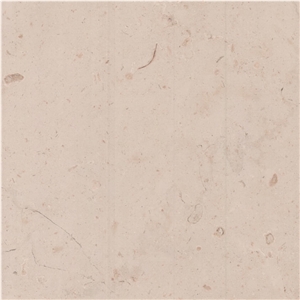
Pietra di Noto Limestone is a medium-grain calcarenite rock known for its warm, neutral light creamy beige tones, and unique veining patterns. It is quarried in Noto, Sicilia, Italy, and is appreciated for its aesthetic appeal and practical applications.
Physical and Mechanical Properties
- Water Absorption: Approximately 17%
- Density: Around 1855 kg/m³
- Flexural Strength: Typically moderate, although specific values may vary depending on the sample and test conditions
- Compressive Strength: 18.1 MPa
- Hardness: Generally considered moderate, making it suitable for various architectural purposes
- Porosity: High, contributing to its water absorption characteristics
- Slip Resistance: Assumes moderate levels when properly finished; important consideration for flooring applications
Chemical and Mineral Composition (Approximate Values)
- Calcium Carbonate (CaCO₃): Predominantly above 90% by weight
- Magnesium Carbonate (MgCO₃): Generally less than 5%
- Silica (SiO₂) and other trace minerals might constitute the remainder
Usage
Pietra di Noto Limestone is highly versatile and is commonly used for:
- Interior and Exterior Cladding: Due to its aesthetic appeal and ease of maintenance
- Flooring: Suitable for both residential and commercial spaces
- Paving: Often used in outdoor projects
- Architectural Elements: Columns, balustrades, and other custom details
Maintenance
- Sealing: Regular sealing is recommended to reduce porosity and enhance stain resistance
- Cleaning: Gentle cleaning with pH-neutral products; avoid acidic or abrasive cleaners
- Inspection: Regular inspections for cracks or damage, especially in high traffic areas
Cutting Sizes
Standard cutting sizes can vary significantly based on project requirements, but typical slab sizes include:
- Tiles: Commonly available from 30x30 cm to 60x60 cm
- Custom Cut: Available for specific architectural projects
Surface Finish Options
- Polished: Offers a glossy, reflective surface that enhances color and veining
- Honed: Provides a smooth, matte finish popular for interior applications
- Brushed: A textured finish that adds slip resistance
- Bush-hammered: Creates a rugged, non-slip surface suitable for exterior paving
Conclusion
Pietra di Noto Limestone is a desirable material for various architectural and decorative uses, thanks to its beautiful beige tones and unique vein patterns. Understanding its properties, chemical composition, and available finishes helps ensure it is used effectively and maintained properly. Regular care and maintenance will preserve its aesthetic appeal and functionality.
- Petrographic Definition: Calcarenite
- Unit Volume Mass: 1,855 kg/m³
- Water Absorption: 17%
- Uniaxial Compressive Strength: 18.1 MPa
- Indirect Tensile Strength (Flexural Strength): 4.3 MPa
Source: C. Fianchino, “The Stones in Architecture,” 1988 – University of Catania


 Italy


 Saudi Arabia

 Germany

 Spain

 Portugal


 Norway

 Croatia

 Bulgaria

 China

 France
