Post Your Needs

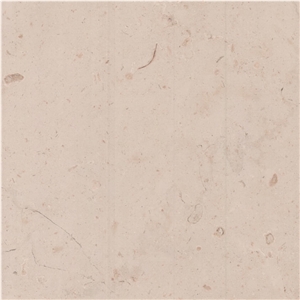
Portofino Beige Limestone

Beige - Limestone

Portugal

About

Item Details

Material Type:
Limestone
Origin:
Portugal (Alcobaca, Estremadura)
Primary Color(s):
Beige
Recommended Usage:
planters, fountains, facade, urban street furnitures, building stone, ornamental stone, stairs, interior, exterior wall applications, mosaic, waterjet pattern, wall panels, table tops, balustrades, columns, wall and pool copings, pool pavers, fireplaces
Additional Names:
Portofino Limestone, Porto Beige Limestone, Moleanos Beige Limestone, Portofino Cream Limestone, Moleanos Gascogne Beige Limestone, Portofino Beige Limestone
Finished Surface:
Polished,Bush Hammered,Tumbled,Brushed,Honed,Split,Machine Cut,Natural Surface,Sandblasted,Combed,Leathered,Water Jet,Chiseled,Pickling

Testing

Water Absorption:
1.73 By weight %
Density:
2567 kg/m3
Flexural Strength:
10.8 MPa
Compressive Strength:
95.3 - 103.0 MPa
Stone texture:
a refined natural sedimentary stone originating from Portugal, often categorized alongside fine-grained Moleanos varieties. It features a warm light-beige palette, subtle tonal clouding, and delicate fossil or veining details

Description

Portofino Beige Limestone is a refined natural sedimentary stone originating from Alcobaça, Estremadura, Portugal. Categorized alongside fine-grained Moleanos varieties, this limestone is renowned for its warm light-beige palette, subtle tonal clouding, and the presence of delicate fossil or veining details.

Physical and Mechanical Properties:

  • Water Absorption: 1.73% by weight
  • Density: 2567 kg/m³
  • Flexural Strength: 10.8 MPa
  • Compressive Strength: 95.3 - 103.0 MPa
  • Hardness: Medium (Exact Mohs scale value not specified, typically ranges around 3-4 for limestone)
  • Porosity: Low, contributing to its durability
  • Slip Resistance: Moderate, depending on the finish selected

Chemical and Mineral Composition (% by weight):

  • Calcium Carbonate (CaCO3): Predominant component, typically around 95%
  • Secondary Minerals: May include clay minerals, quartz, and organic materials making up around 5%
  • Trace Elements: Iron oxides and other impurities contributing to the subtle variance in color and veining

Usage:

  • Interior Flooring: Ideal for living rooms, kitchens, and bathrooms due to its warm tones
  • Wall Cladding: Used for interior and exterior applications
  • Countertops: Suitable for kitchen and bathroom countertops
  • Staircases: Provides a durable and elegant surface
  • Fireplaces: Enhances the aesthetic appeal
  • Facade Covering: Often used in architectural projects for a classic look

Maintenance:

  • Cleaning: Regular cleaning with a neutral pH stone cleaner is recommended
  • Sealing: Periodic sealing is advised to maintain its resistance to stains and moisture
  • Avoid Abrasives: Use soft cloths or mops to prevent scratching

Available Cutting Sizes (cm):

  • Tiles: Typically available in sizes such as 30x30, 30x60, 60x60
  • Slabs: Can be cut to larger sizes according to project specifications
  • Custom Cuts: Available upon request for specific design needs

Common Surface Finish Options:

  • Polished: High sheen finish that enhances the stone’s natural colors and patterns
  • Honed: Smooth, matte finish that gives a softer look while maintaining slight slip resistance
  • Brushed: Textured finish that creates a rustic appearance
  • Bush-Hammered: Rough, anti-slip finish suitable for exterior applications

Portofino Beige Limestone combines aesthetic appeal with practical characteristics, making it a versatile choice for a variety of architectural and interior design projects. Proper maintenance ensures its beauty and functionality over time.

FAQ

What is the difference between tumbled and brushed Portofino Beige Limestone?

The main difference between tumbled and brushed Portofino Beige Limestone is the finish. Tumbled limestone has a weathered, worn appearance with rounded edges and a slightly rough texture, while brushed limestone has a smoother, more uniform surface with a matte finish achieved through the process of brushing the stone. Tumbled limestone tends to have a more rustic and aged look, while brushed limestone has a more contemporary and modern appearance. Additionally, the tumbled finish may provide more traction, making it a popular choice for outdoor applications such as patios and walkways.

Does tumbled Portofino Beige Limestone tile easy stain?

Tumbled Portofino Beige Limestone tile may be more prone to staining due to its porous nature and texture. It is important to seal the tiles regularly to help protect them from staining. Additionally, prompt cleaning of spills and regular maintenance can help prevent staining on tumbled limestone tile.

Is tumbled Portofino Beige Limestone floor slippery?

Tumbled Portofino Beige Limestone is usually less slippery compared to polished limestone floors because the tumbled finish provides texture and traction. However, it is always a good idea to use caution when walking on any type of stone flooring to prevent slipping accidents.

Can Portofino Beige Limestone be tumbled?

Yes, Portofino Beige Limestone can be tumbled to achieve a weathered, rustic appearance. Tumbling is a process that involves placing the limestone in a machine with abrasive materials that create a worn and aged look by softening the edges and surface of the stone. Tumbled limestone can be a popular choice for giving a space a more traditional or antique feel.

What is the best height for a Portofino Beige Limestone balustrade?

The best height for a Portofino Beige Limestone balustrade would depend on the specific application and building codes in the area. In general, a standard height for a balustrade is around 36 inches to 42 inches high. However, it is important to check local building codes and regulations to ensure compliance with safety standards. Ultimately, the height of the balustrade should be appropriate for the intended use and provide adequate safety and support.

How can I get scratches out of Portofino Beige Limestone countertop?

To remove scratches from a Portofino Beige Limestone countertop, you can follow these steps: 1. Clean the countertop: Start by cleaning the countertop with a mild soap and water solution to remove any dirt or debris. Wipe dry with a clean cloth. 2. Sand the scratches: Use a fine-grit sandpaper (such as 200-400 grit) to gently sand the scratches on the countertop. Be sure to sand in a circular motion to blend the scratch into the surrounding area. 3. Polish the countertop: Apply a limestone polishing compound to the scratched area and buff it in with a soft cloth or a buffering tool. Continue buffing until the scratch is no longer visible and the surface is smooth and shiny. 4. Seal the countertop: Once the scratches are removed, it is important to seal the countertop to protect it from further damage. Use a limestone sealer and apply it according to the manufacturers instructions. 5. Maintain the countertop: To prevent future scratches, avoid using abrasive cleaners or harsh chemicals on the countertop. Clean spills promptly and use coasters or trivets under hot pots and pans. By following these steps, you should be able to effectively remove scratches from your Portofino Beige Limestone countertop and restore its appearance.

Does Portofino Beige Limestone scratch easily?

Portofino Beige Limestone is a durable and reliable natural stone, but like all limestone materials, it is susceptible to scratching. While it is generally more scratch-resistant than some other stones, such as marble, it is still important to take care when handling and cleaning Portofino Beige Limestone to prevent scratching. Avoid dragging heavy or sharp objects across the surface, and use a soft cloth or brush when cleaning to avoid abrasion. Regular sealing and maintenance can also help to protect the stone from scratches and other damage.

How to get wine stain out of Portofino Beige Limestone countertop?

To remove a wine stain from a Portofino Beige Limestone countertop, follow these steps: 1. Blot the stain with a clean cloth or paper towel to remove any excess wine on the surface. 2. Mix a solution of warm water and mild dish soap in a bowl. 3. Dip a clean cloth into the soapy water solution and gently scrub the stained area in a circular motion. 4. Rinse the cloth with clean water and wipe the area to remove any soap residue. 5. If the stain persists, create a paste of baking soda and water and apply it to the stained area. Let it sit for 15-20 minutes before scrubbing with a cloth. 6. Rinse the countertop with clean water and dry it with a clean towel. 7. If the stain still remains, you can try using a commercial limestone cleaner or a poultice specifically designed for removing stains from natural stone surfaces. 8. Avoid using harsh chemicals or abrasive cleaners on the limestone countertop as they can damage the surface. It is important to clean up spills promptly on limestone countertops to prevent stains from setting in. Regularly sealing the countertop can also help protect it from stains and prevent moisture from seeping into the stone.

Is Portofino Beige Limestone good for kitchen countertops?

Portofino Beige Limestone can be a good choice for kitchen countertops, as it is a durable and versatile stone that can add a touch of elegance to any kitchen. Limestone is known for its natural beauty and unique veining, which can create a stunning focal point in your kitchen. However, it is important to note that limestone is a softer stone compared to granite or quartz, so it may be more prone to scratching and staining. It is also important to properly seal and maintain limestone countertops to prevent damage. Ultimately, the decision to use Portofino Beige Limestone for kitchen countertops will depend on your specific needs and preferences.

Products & Prices

View More

Hot Beige Limestone

New Limestone

Post Your Request

The request includes:
  1. surface finished, size
  2. quantity required