Post Your Needs

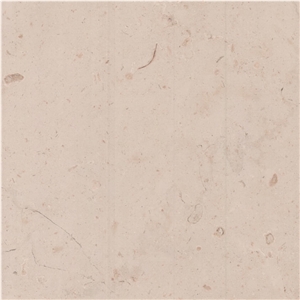
Portugal Beige Limestone

Beige - Limestone

Portugal

About

Item Details

Material Type:
Limestone
Origin:
Portugal (Pé da Pedreira, Alcanede, Santarem)
Primary Color(s):
Beige
Recommended Usage:
Kitchen and bathroom countertops, monuments, building stone, ornamental stone, building stone, stairs, interior wall and floor applications, mosaic, waterjet pattern, wall panels, table tops, columns, fireplace surround
Additional Names:
Porto Beige Limestone, Moca Cream Limestone, Crema Moca Limestone, Creme Fatima Limestone, Moleanos Beige Limestone, in China stone market:葡萄牙米黄(Pútáoyá mǐhuáng), Portugal Beige, Portugal Beige Limestone
Finished Surface:
Polished,Flamed,Bush Hammered,Tumbled,Brushed,Honed,Split,Machine Cut,Natural Surface,Sandblasted,Acid Washing,Combed,Leathered,Water Jet,Filled,Chiseled,Pickling

Testing

Water Absorption:
3.3%
Density:
2468 kg/cm3
Flexural Strength:
16.2 MPa
Compressive Strength:
70.2 MPa

Description

Portugal Beige Limestone is a fine-grained natural stone renowned for its captivating blend of light beige and cream tones. This creamy beige limestone, quarried extensively across Portugal, showcases a uniform and elegant appearance, making it highly desirable for a variety of architectural and design applications. Its subtle color palette and smooth texture allow it to seamlessly complement both classic and contemporary spaces, making it a versatile choice for interior and exterior projects. Portugal Beige Limestone is commonly used for flooring, wall cladding, countertops, and decorative elements, offering timeless beauty and durability.

PHYSICAL-MECHANICAL CHARACTERISTICS

Compressive strength ( N ) 70.2

Resistance to bending ( Mpa ) 16.2

Apparent volumetric mass (kg/cm²) 2468

Water absorption PTN 3.3%

Open porosity 8.1%

FAQ

What is the difference between tumbled and brushed Portugal Beige Limestone?

Tumbled and brushed are two different finishing techniques applied to Portugal Beige Limestone: 1. Tumbled: Tumbled limestone has a rustic and aged appearance, with rounded edges and a slightly distressed surface. This finishing technique involves tumbling the stone in a machine with abrasive materials to create a weathered, antique look. 2. Brushed: Brushed limestone has a more contemporary and smooth appearance, with a flat surface and straight edges. This finishing technique involves brushing the stone with a wire brush to remove any rough spots and create a uniform texture. Overall, tumbled limestone has a more natural and traditional look, while brushed limestone has a more modern and refined appearance. The choice between the two finishes depends on personal preference and the desired aesthetic for the space.

Does tumbled Portugal Beige Limestone tile easy stain?

While Portugal Beige Limestone is generally a durable and stain-resistant material, it is still susceptible to staining if not properly maintained. Like all natural stone, it is important to seal the tiles and regularly clean up spills to prevent staining. Additionally, acidic substances such as vinegar, lemon juice, and tomato sauce can etch the surface of the stone and should be avoided. With proper care and maintenance, tumbled Portugal Beige Limestone tile can remain stain-free and looking its best for many years.

Is tumbled Portugal Beige Limestone floor slippery?

Tumbled Portugal Beige Limestone floors can be slippery when they are wet or polished. It is important to take precautions and use non-slip mats in areas that are prone to getting wet, such as bathrooms or kitchens. Additionally, regular cleaning and maintenance of the floor can help reduce the risk of slips and falls.

Can Portugal Beige Limestone be tumbled?

Yes, Portugal Beige Limestone can be tumbled to achieve a more rustic and aged look. Tumbling is a process where the stone is placed in a machine with abrasive materials and tumbled until the edges are rounded and the surface is slightly roughened. This can enhance the natural beauty of the limestone and give it a unique texture. However, it is important to note that tumbling may affect the color and appearance of the stone, so it is recommended to consult with a professional before proceeding with this process.

What is the best height for a Portugal Beige Limestone balustrade?

The best height for a Portugal Beige Limestone balustrade would typically be around 36 inches to 42 inches, which is a standard height for balustrades in most settings. This height provides both safety and aesthetic appeal, while also allowing for easy viewing and interaction across the balustrade. However, the specific height may vary depending on the specific use case and local building codes, so it is important to consult with a professional before installing a balustrade.

How can I get scratches out of Portugal Beige Limestone countertop?

To remove scratches from a Portugal Beige Limestone countertop, you can try the following methods: 1. Sanding: Light scratches may be removed by using fine-grit sandpaper to gently sand the surface of the countertop. Be sure to use a light touch and work in a circular motion to avoid creating more scratches. 2. Buffing: You can try using a polishing compound and a buffing pad to buff out scratches on the countertop. Apply the compound to the scratched area and use a buffing pad to buff in a circular motion until the scratches are less noticeable. 3. Professional repair: If the scratches are deep or extensive, it may be best to consult a professional stone restoration specialist who can repair and refinish the countertop to remove the scratches. Remember to always test any cleaning or polishing products on a small, inconspicuous area of the countertop before applying them to the scratched area to ensure they do not cause further damage.

Does Portugal Beige Limestone scratch easily?

Portugal Beige Limestone is a natural stone that is known for its durability and resistance to scratching. However, like all natural stones, it can still be scratched by sharp objects or excessive force. It is important to properly maintain and care for Portugal Beige Limestone to prevent scratching, such as using coasters under glasses and avoiding dragging heavy furniture across the surface. Regular sealing and cleaning can also help protect the limestone from scratches and other damage.

How to get wine stain out of Portugal Beige Limestone countertop?

To remove a wine stain from a Portugal Beige Limestone countertop, follow these steps: 1. Blot the stain with a clean, dry cloth to remove as much of the wine as possible. 2. Mix a small amount of mild dish soap with warm water to create a soapy solution. 3. Use a soft cloth or sponge to gently scrub the stained area with the soapy solution. 4. Rinse the area with clean water to remove the soap residue. 5. If the stain persists, create a paste using baking soda and water. Apply the paste to the stained area and let it sit for a few hours. 6. Scrub the paste with a soft brush or cloth and rinse the area with water. 7. If the stain is still visible, you may need to use a specialized limestone cleaner or poultice. Follow the manufacturers instructions for application. 8. Once the stain is removed, dry the countertop thoroughly to prevent any new stains from setting in. It is important to act quickly when dealing with stains on limestone countertops as they can be porous and absorbent. Additionally, avoid using harsh chemicals or abrasive cleaners that can damage the stone.

Is Portugal Beige Limestone good for kitchen countertops?

Yes, Portuguese Beige Limestone is a popular choice for kitchen countertops due to its durability, unique natural patterns, and versatility in design. It is resistant to heat, scratches, and stains, making it a practical choice for a high-traffic area like the kitchen. Additionally, the neutral beige color of this limestone can complement a variety of kitchen styles and color schemes. Overall, Portugal Beige Limestone is a good option for kitchen countertops.

Products & Prices

View More

Hot Beige Limestone

New Limestone

Post Your Request

The request includes:
  1. surface finished, size
  2. quantity required