Post Your Needs

Red Jaemtland Limestone

Red - Limestone

Sweden

About

Item Details

Material Type:
Limestone
Origin:
Sweden (Brunflo, Jaemtlands Laen)
Primary Color(s):
Red
Recommended Usage:
kitchen and bathroom countertops, wash basins, building stone, ornamental stone, stairs, interior, exterior wall and floor applications, mosaic, waterjet pattern, wall panels, table tops, balustrades, columns, wall and pool copings, pool pavers, sculptures, fireplaces, window sills
Additional Names:
Red Jamtland Limestone, Roed Jaemtland Kalksten, Jaemtland Roed Kalksten, Red Jaemtland Limestone
Finished Surface:
Flamed,Bush Hammered,Tumbled,Brushed,Honed,Split,Machine Cut,Natural Surface,Sandblasted,Acid Washing,Combed,Leathered,Water Jet,Filled,Chiseled,Pickling

Testing

Water Absorption:
0.25 - 0.45%
Density:
2630 - 2670 kg/m³
Flexural Strength:
8 - 12 MPa
Compressive Strength:
120 - 140 MPa
Stone texture:
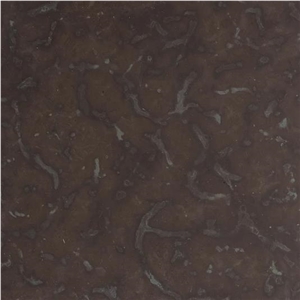
distinguished by its rich and earthy color palette, typically presenting a deep red to burgundy base enriched with subtle variations of brown, purplish tones, and occasional grey nuances, creating a warm and visually striking appearance. The surface often displays a natural, slightly mottled or softly marbled look, where tonal shifts and mineral distribution give the stone depth and character rather than strong contrasting veins. In terms of texture and structure, it is a fine- to medium-grained limestone with a dense and compact composition, exhibiting a smooth and uniform matrix that can appear subtly crystalline when polished. The stone’s structure is generally homogeneous with delicate, diffuse patterning rather than bold veining, offering a refined yet organic aesthetic

Description

Red Jaemtland Limestone from Sweden is distinguished by its rich and earthy color palette, typically presenting a deep red to burgundy base enriched with subtle variations of brown, purplish tones, and occasional grey nuances, creating a warm and visually striking appearance. The surface often displays a natural, slightly mottled or softly marbled look, where tonal shifts and mineral distribution give the stone depth and character rather than strong contrasting veins. In terms of texture and structure, it is a fine- to medium-grained limestone with a dense and compact composition, exhibiting a smooth and uniform matrix that can appear subtly crystalline when polished. The stone’s structure is generally homogeneous with delicate, diffuse patterning rather than bold veining, offering a refined yet organic aesthetic.

Physical and Mechanical Properties:

  • Water Absorption: Typically low, with an absorption rate ranging from 0.25% to 0.45%, indicating good resistance to moisture penetration.
  • Density: Generally between 2,630 to 2,670 kg/m³, reflecting its compact structure.
  • Flexural Strength: Approximately 8 to 12 MPa, showcasing reasonable resistance to bending and flexural stress.
  • Compressive Strength: Typically around 120 to 140 MPa, which suggests good durability under loads.
  • Hardness: Moderate, generally between 3 and 4 on the Mohs scale, making it suitable for various applications while being easy to work with.
  • Porosity: Generally low, around 1-3%, contributing to the stone's durability and reduced maintenance needs.
  • Slip Resistance: Usually falls in the range of 0.4 to 0.6 when polished, which requires additional treatment for high-trafficked flooring areas to increase safety.

Chemical Composition (Approx. % by weight):

  • Calcium Carbonate (CaCO₃): 85-95%
  • Silica (SiO₂): 2-5%
  • Iron Oxides (Fe₂O₃): 1-3%
  • Magnesium Carbonate (MgCO₃): 1-2%
  • Alumina (Al₂O₃): <1%
  • Other trace elements: <1% which may include manganese, phosphorus, etc.

Mineral Composition:

  • Predominantly calcite, with minor amounts of quartz, and occasional traces of clay minerals.

Usage:

  • Interior Flooring: Due to its warm tones and durable nature, it's popular in residential and commercial settings.
  • Wall Cladding: Both interior and exterior, providing an elegant and earthy touch to facades.
  • Countertops: In kitchens and bathrooms for its aesthetic appeal and durability.
  • Decorative Elements: Suitable for sculptures, fireplace surrounds, and other ornamental features.
  • Paving and Landscaping: Its robust nature makes it fitting for some outdoor applications.

Maintenance:

  • Requires periodic sealing to prevent staining due to its limestone nature.
  • Cleaning with pH-neutral cleaners to avoid etching or dulling of the surface.
  • Regular dusting and damp mopping are recommended for floor surfaces to maintain appearance.

Cutting Sizes and Surface Finishes:

  • Common Cutting Sizes: Typically available in standard tile sizes like 30x30 cm, 30x60 cm, or larger slabs up to 120x240 cm depending on the quarry yield.
  • Surface Finish Options:
  • Polished: For a glossy, reflective surface accentuating the color and patterns.
  • Honed: For a smooth, matte finish offering a subtle look.
  • Brushed: To provide a slightly textured surface that is slip-resistant.
  • Sandblasted: For a rougher, anti-slip surface suitable for external or wet areas.

In summary, Red Jaemtland Limestone stands out for its aesthetic versatility and robust physical properties, making it a favored choice for architects and designers who seek a blend of visual appeal and performance. Its maintenance routine, while moderate, ensures longevity and continued beauty in a wide array of applications.

FAQ

Can Sweden's Red Jaemtland Limestone be used outdoors?

Red Jaemtland Limestone from Sweden can be used outdoors in certain applications. This type of limestone is known for its durability and weather resistance, making it suitable for exterior projects such as outdoor flooring, paving, facades, and wall cladding. However, it is important to consult with a professional stone supplier or architect to ensure that the specific variety and quality of Red Jaemtland Limestone you are considering is appropriate for your intended outdoor use. Factors such as freeze-thaw resistance, slip resistance, and surface treatment may need to be considered for optimal performance in outdoor environments.

How thick is Sweden's Red Jaemtland Limestone slabs?

The thickness of Swedens Red Jaemtland Limestone slabs can vary depending on the specific quarry and the customers requirements. However, typical thicknesses for limestone slabs range from 2 to 3 centimeters (0.8 to 1.2 inches) for interior applications, while thicker slabs between 4 and 6 centimeters (1.6 to 2.4 inches) are commonly used for exterior applications or heavy-duty flooring.

Can Sweden's Red Jaemtland Limestone be used exterior applications in very humid climates?

Yes, Swedens Red Jaemtland Limestone can be used in exterior applications in very humid climates. Limestone is a durable natural stone that is often used in construction and for exterior cladding. It is resistant to weathering and can withstand high levels of humidity. However, proper installation techniques and regular maintenance are important to ensure the longevity and performance of the limestone in such climates. It is recommended to consult with a professional or supplier who can provide specific recommendations based on the projects requirements and local climate conditions.

Can Sweden's Red Jaemtland Limestone be used in a office?

Yes, Swedens Red Jaemtland Limestone can be used in an office. Limestone is a versatile and durable natural stone that is used in various architectural applications, including flooring, wall cladding, countertops, and more. Red Jaemtland Limestone, with its distinct red color and unique texture, can add a touch of elegance and sophistication to an office space. It can be used as flooring material, creating a beautiful and timeless look. Additionally, it can be used as wall cladding to create accent walls or columns, bringing a sense of luxury to the office environment.

What is the coefficient of friction of Chiseled Sweden's Red Jaemtland Limestone tiles?

The coefficient of friction can vary depending on various factors, such as the surface finish, texture, and conditions of the tile. Without specific information on the particular type of Chiseled Swedens Red Jaemtland Limestone tiles, it is difficult to determine the exact coefficient of friction. It is recommended to consult the manufacturer or supplier for this specific information.

Are there color variations of Sweden's Red Jaemtland Limestone?

Yes, there can be variations in the color of Swedens Red Jaemtland Limestone. The main color is typically a deep red or burgundy, but it can also have hints of brown, purple, or even gray depending on the specific quarry and the variation within the individual stone blocks. Additionally, factors such as lighting conditions and finishing techniques can also affect the perception of color.

Is Sweden's Red Jaemtland Limestone an expensive stone?

I do not have access to current market prices or prices of specific stones. However, in general, the cost of Red Jaemtland Limestone may vary depending on factors such as availability, location, size, quality, and the supplier or distributor. It is best to consult with a professional stone supplier or stonemason for accurate pricing information.

Products & Prices

Hot Red Limestone

New Limestone

Post Your Request

The request includes:
  1. surface finished, size
  2. quantity required