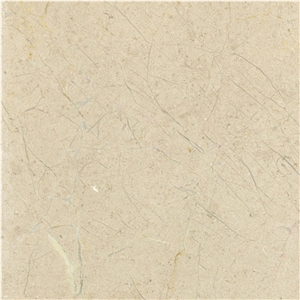
Red River Beige Marble

About
Item Details
- Material Type:
- Marble
- Origin:
Turkey (Kastamonu) - Primary Color(s):
- Beige
- Recommended Usage:
- Kitchen and bathroom countertops, wash basins, building stone, ornamental stone, stairs, interior, exterior wall and floor applications, mosaic, waterjet pattern, wall panels, table tops, balustrades, columns, wall and pool copings, pool pavers, sculptures, fireplaces
- Additional Names:
- Kastamonu Rosalia Marble, Kastamonu Red River Marble, Red River Marble, Red River Beige Marble
- Finished Surface:
- Polished,Bush Hammered,Tumbled,Brushed,Honed,Split,Machine Cut,Natural Surface,Sandblasted,Combed,Leathered,Water Jet,Filled,Chiseled,Pickling
Testing
- Water Absorption:
- 0.26% to 0.33%
- Density:
- 2700 – 2720 Kg/m³
- Flexural Strength:
- 7.9 - 10.2 MPa
- Compressive Strength:
- 110 - 135 MPa
Description
Red River Beige Marble is an elegant natural stone quarried in Kastamonu, Turkey. Known for its cream beige background with striking rusty red veins, this marble provides a unique and sophisticated appearance suitable for various architectural and design applications.
Physical and Mechanical Properties:
- Color:Predominantly cream beige with conspicuous rusty red veins.
- Water Absorption:Typically around 0.26% to 0.33%, indicating low porosity and good resistance to moisture.
- Density:Approximately 2.70 – 2.72 g/cm³.
- Flexural Strength:Generally ranges from 7.9 to 10.2 MPa, providing good resistance to bending.
- Compressive Strength:Typically between 110 to 135 MPa, showcasing robust structural integrity.
- Hardness:Mohs Hardness Scale: 3-4, suitable for both flooring and wall applications.
- Porosity:Low porosity, contributing to its durability and reduced staining risk.
- Slip Resistance:Coefficient of friction varies depending on the finish, but typically lower in polished finishes. Anti-slip treatments may be recommended in high-traffic or wet areas.
Chemical and Mineral Composition (% by Weight)**:
- Calcium Carbonate (CaCO₃): Approximately 90-95%
- Silica (SiO₂): 3-5%
- Iron Oxides (Fe₂O₃): 1-2% responsible for the reddish veins.
- Magnesium Carbonate (MgCO₃): Approximately 1-3%
Usage:
- Interior Flooring & Wall Cladding: Suitable for both residential and commercial applications.
- Fireplaces & Countertops: Due to its aesthetic appeal and durability.
- Bathrooms & Kitchens: As vanity tops, backsplash, and wall panels.
- Staircases: For creating elegant architectural statements.
Maintenance:
- Regular Cleaning: Use mild detergents and pH-neutral cleaners to maintain shine.
- Sealing: Periodically apply a suitable marble sealant to enhance resistance to staining and moisture.
- Avoid Acidic Cleaners: To prevent etching and dulling of the surface.
Cutting Sizes (cm):
- Standard Tiles: 30x30, 30x60, 60x60
- Slabs: 2cm or 3cm thick slabs available for custom cut-to-size applications.
Surface Finish Options:
- Polished: Provides a glossy, reflective surface enhancing the marble's natural beauty.
- Honed: Offers a matte finish, reducing glare and providing a more subtle look.
- Brushed/Antiqued: A surface with a textured finish providing a rustic appeal.
- Sandblasted: Rough texture ideal for non-slip exterior applications.
Red River Beige Marble is a versatile material that brings a touch of elegance to any project. Its combination of aesthetic appeal and robust physical and mechanical properties make it a popular choice in the natural stone market.
FAQ
Yes, Turkeys Red River Marble can be used in landscaping. It is a type of marble that is known for its vibrant red color and unique veining, which makes it a popular choice for decorative purposes. Red River Marble can be used for various landscaping applications such as pathways, patio flooring, wall cladding, garden edging, and decorative accents. Its natural beauty can add a touch of elegance and sophistication to outdoor spaces, enhancing the overall aesthetic appeal of the landscape.
Can Turkey's Red River Marble be used in a office?
Yes, Turkeys Red River Marble can be used in an office setting. It is a versatile and durable material that can be used for various applications such as flooring, countertops, wall cladding, and even decorative accents. The marbles striking and rich red color with white veins can add an elegant and sophisticated touch to any office space. Additionally, marble is known for its timeless beauty and is often associated with luxury, making it a popular choice for high-end office designs. However, it is essential to consider the maintenance requirements of marble, as it may require proper sealing and regular cleaning to preserve its appearance and longevity.
Can Turkey's Red River Marble be used exterior applications in very rainy climates?
Turkeys Red River Marble is a type of marble that is known for its soft red color and veins. While marble is generally a durable and versatile material, it may not be the best choice for exterior applications in very rainy climates.
Marble is a natural stone and is porous, which means it can absorb water. This characteristic makes it susceptible to damage in areas with heavy rainfall or freeze-thaw cycles. When water seeps into the marble, it can cause staining, discoloration, and structural damage over time.
In very rainy climates, it is recommended to use materials that are more resistant to moisture, such as granite or certain types of engineered stone. These materials have lower porosity and are better suited for exterior applications in wet conditions.
However, if you still wish to use Turkeys Red River Marble for outdoor installations in a very rainy climate, it is important to apply a high-quality sealer specifically designed for marble. This will help minimize water absorption and protect the marble from potential damage. Regular re-sealing may be necessary to maintain its durability and appearance.
Ultimately, it is advisable to consult with a local stone supplier, installer, or a professional architect or designer who is familiar with the specific climate conditions in your area to determine the best material for your exterior application.
What is the coefficient of friction of Chiseled Turkey's Red River Marble tiles?
The coefficient of friction of Chiseled Turkeys Red River Marble tiles is not provided in the given information. The coefficient of friction depends on various factors such as the surface texture, finish, and other properties of the tiles. To determine the coefficient of friction, it is recommended to check with the manufacturer or supplier of the tiles for the specific information.
Are there color variations of Turkey's Red River Marble?
Yes, there can be variations in color of Turkeys Red River Marble. While the primary color of this marble is red, it can exhibit different shades and patterns, including combinations of red, pink, white, and gray. The intensity of the red color and the presence of other hues may vary depending on the specific quarry and the particular slab or tile being used.
How thick is Turkey's Red River Marble slabs?
The thickness of Turkeys Red River Marble slabs can vary, depending on the specific quarry and the desired use of the marble. However, the typical thickness of Red River Marble slabs is around 2 centimeters (0.75 inches) to 3 centimeters (1.2 inches).
What grade is Turkey's Red River Marble?
Turkeys Red River Marble is generally considered to be of high quality and is used in a variety of applications such as flooring, countertops, and decorative objects. It is often classified as a premium grade material due to its unique color variations, attractive veining patterns, and overall aesthetic appeal.
Can Turkey's Red River Marble be used outdoors?
Yes, Turkeys Red River Marble can be used outdoors as a natural stone option for paving, walls, and other outdoor applications. However, it may require proper sealing and maintenance to prevent staining or discoloration from exposure to weather and environmental factors. It is best to consult with a professional stone supplier, installer, or contractor to determine the specific suitability and care requirements for the specific application.
Is Turkey's Red River Marble an expensive stone?
I do not have information on the current market prices of stones. However, in general, the cost of a stone can depend on various factors such as availability, rarity, quality, and demand. So, the price of Turkeys red river marble could vary based on these factors. It is advisable to consult a professional in the field to get an accurate estimate of the current market value of the stone.