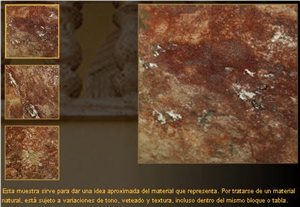
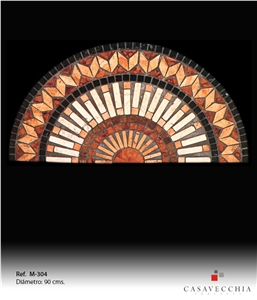
Colombias Rojo Travertino Travertine is a naturally occurring stone that is commonly used for various interior and exterior applications, including flooring, walls, countertops, and facades. However, when it comes to using travertine in very humid climates, there are a few factors to consider.
Travertine is a porous stone, and its natural porosity can make it susceptible to moisture absorption. In very humid climates, where there is constant exposure to moisture, there is an increased risk of water infiltration into the stone, leading to potential damage, discoloration, or staining over time.
To utilize Rojo Travertino Travertine in very humid climates, some precautions and maintenance practices can be adopted:
1. Sealant: Applying a high-quality sealant specifically designed for travertine can help reduce water absorption and protect the stone from moisture damage. It is recommended to reseal the stone periodically to maintain its protective barrier.
2. Proper Installation: Ensure that the stone is installed correctly, following proper techniques, and using suitable adhesives. Adequate installation can minimize the risk of water infiltration and potential damage.
3. Surface Treatment: Employing surface treatments such as honing or polishing can make the stone less porous, reducing its susceptibility to moisture absorption.
4. Regular Cleaning and Maintenance: Regularly clean the travertine surface with a pH-neutral cleaner to remove any dirt or contaminants that can contribute to moisture retention. Avoid using acidic cleaners or harsh chemicals that may damage the stone.
5. Adequate Drainage: Ensure proper drainage around the area where the travertine is installed to minimize water pooling or stagnant moisture sources.
While Rojo Travertino Travertine can be used for exterior applications in very humid climates, it is crucial to consult with professionals such as architects, contractors, or stone specialists who can recommend the most suitable stone and provide guidance on maintenance practices specific to your climate and project requirements.


 Colombia

 10YR

 Spain





 Mexico


 Iran


 Turkey

 Pakistan


 Afghanistan

 Thailand

 Italy