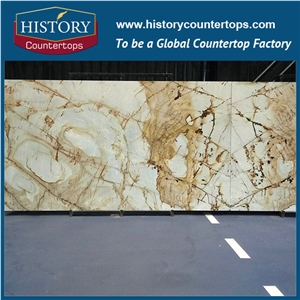
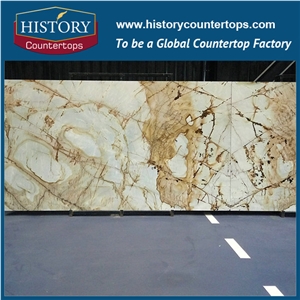
Roman Yellow Granite is a natural stone quarried in Spain, known for its vibrant golden yellow hues that range from light to dark. It often features patches or veins in shades of brown, gray, or black, adding unique character to each piece. This fine-grained granite is not only aesthetically pleasing but also highly durable, making it suitable for various applications.
Physical and Mechanical Properties:
- Water Absorption: 0.4%
- Density: 2630 kg/m³
- Flexural Strength: 13.8 MPa
- Compressive Strength: 130.0 MPa
- Hardness: Typically measured by the Mohs scale, granite often ranges from 6 to 7.
- Porosity: Generally low, contributing to its durability and resistance to staining.
- Slip Resistance: High slip resistance when honed or flamed, suitable for flooring that requires safety measures against slipping.
Chemical and Mineral Composition (% by weight):
- Quartz: 20-30%
- Feldspar (Orthoclase and Plagioclase): 60-70%
- Biotite and/or Muscovite Mica: 5-10%
- Minor Minerals (e.g., hornblende, magnetite): Varies
- Other Elements: Small amounts of iron oxides or other trace elements contributing to color variation
Usage:
- Interior Applications: Countertops, tabletops, flooring, wall cladding
- Exterior Applications: Facades, paving, outdoor sculptures
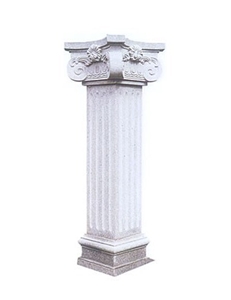
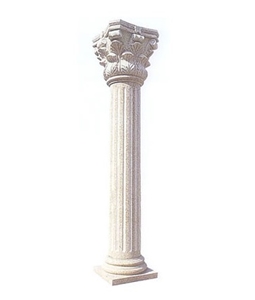
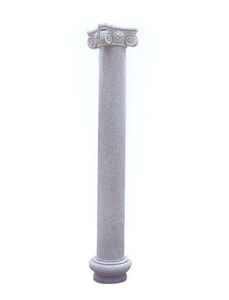
- Other Applications: Monuments, decorative elements, staircases
Maintenance:
- Sealing: Requires regular sealing to maintain resistance to stains and increase longevity, particularly for high-usage surfaces.
- Cleaning: Use mild soap and water; avoid acidic or abrasive cleaners that can damage the surface.
- Polishing: Occasional polishing can help maintain shine and appearance.
Cutting Sizes (in centimeters):
- Standard Slab Sizes: Typically around 240 cm x 120 cm, but custom sizes are available upon request.
- Tile Sizes: Common tile dimensions include 30x30 cm, 30x60 cm, 60x60 cm, among others.
Common Surface Finish Options:
- Polished: Provides a glossy finish that enhances the stone's color and pattern.
- Honed: Offers a smooth, matte finish with subdued color reflection.
- Flamed: Creates a textured, slip-resistant surface ideal for outdoor or wet areas.
- Brushed: Features a slightly textured surface with a softer feel and appearance.
- Sandblasted: Produces a rough surface with increased slip resistance.
Conclusion:
Roman Yellow Granite is a versatile and visually stunning stone that offers both aesthetic appeal and robust functionality. Its physical and mechanical properties make it suitable for a wide range of applications, from elegant countertops to durable exterior facades. Proper maintenance and finishing can enhance its longevity and appearance, making it a popular choice for both residential and commercial projects.


 Spain

 20YR

 China



 Poland




 Brazil


 Saudi Arabia

 India


 United States

