


 Portugal
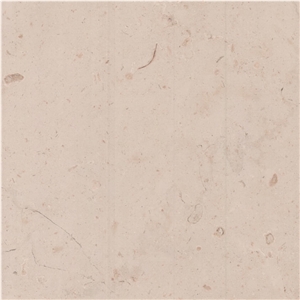
Can Portugal's Rosal C Limestone be used exterior applications in cold climates?
While Portugals Rosal C Limestone is often used for both interior and exterior applications, its suitability for cold climates may depend on various factors.
Limestone is generally a durable and natural stone option for outdoor use, known for its ability to withstand different weather conditions. However, there are a few considerations to keep in mind:
1. Freeze-thaw cycles: Cold climates often experience freeze-thaw cycles, where water seeps into pores of the stone, freezes, and expands. This can lead to cracking and deterioration of the limestone. It is essential to choose a dense and low-porosity limestone variety, such as Rosal C, which is less prone to water absorption.
2. Finishing: The type of finishing applied to the limestone can affect its resistance to cold climates. For example, a honed or sandblasted surface may be more porous and susceptible to water infiltration. Opting for a thermal or flamed finish can enhance the stones resistance to weathering.
3. Maintenance: Regular maintenance and sealing can help protect the limestone from the effects of cold weather. Applying a proper sealer can help reduce water absorption and prevent damage from freeze-thaw cycles.
It is recommended to consult with a professional stone supplier or installer who can provide specific recommendations for your intended use in cold climates. They will have the necessary expertise to assess the suitability of Portugals Rosal C Limestone for your specific exterior application and local climate conditions.
 Saudi Arabia

 Germany

 Spain


 Norway

 Croatia

 Bulgaria

 China

 France
