- Material Type:
- Limestone
- Origin:
 Portugal (Codacal Nº 2 – Rafaeis , Codaçal – SERRO VENTOSO)
- Primary Color(s):
- Beige
- Recommended Usage:
- Kitchen and bathroom countertops, wash basins, building stone, ornamental stone, stairs, interior, exterior wall and floor applications, mosaic, waterjet pattern, wall panels, table tops, balustrades, columns, wall and pool copings, pool pavers, sculptures, fireplaces
- Additional Names:
- Rosal D Limestone, Rosal Limestone, Moca Rosal Limestone, Semi Rijo Do Codacal Limestone, Rosal Codacal Contra Limestone, Rosal B Limestone, Rosal Codacal Favor Limestone, Rosal T Limestone, Codacal Real Limestone, Codacal Dunas Limestone, Sao Rafael Limestone, Rosal Beige MF Limestone, Rosal Beige MM Limestone, Rosal Dunas Limestone
- Finished Surface:
- Polished,Bush Hammered,Tumbled,Brushed,Honed,Split,Machine Cut,Natural Surface,Sandblasted,Combed,Leathered,Water Jet,Filled,Chiseled,Pickling
Description
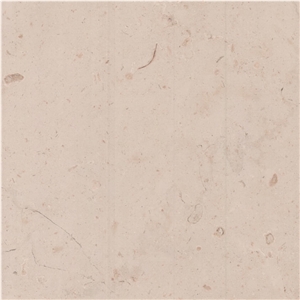
Rosal Dunas Limestone is a naturally occurring stone characterized by its bone white to light beige color, offering a compact appearance that is enhanced by the alignment of very fine brownish grains. This limestone is quarried in the region of Codacal Nº 2 – Rafaeis, Codaçal – SERRO VENTOSO, Portugal, and is noted for its aesthetic appeal and desirable physical properties.
Physical and Mechanical Properties
- Color:Beige to bone white with brownish fine grains.
- Water Absorption:6.3% by weight.
- Density:2290 kg/m³.
- Flexural Strength:10.60 MPa.
- Compressive Strength:71.7 MPa.
- Hardness:Limestone typically ranks around 3-4 on the Mohs scale, indicating moderate hardness.
- Porosity:12,6 % Generally medium to high, given the water absorption rate.
- Slip Resistance:Varies depending on surface finish; typically, a honed or sandblasted finish provides better slip resistance.
- Abrasion test: 21,5 mm
Chemical and Mineral Composition
While specific chemical compositions can vary, typical components for a limestone include:
- Calcium Carbonate (CaCO₃):Usually around 90% or higher by weight.
- Magnesium Carbonate (MgCO₃):Generally present in small amounts, typically less than 5%.
- Others:Minor elements might include clay, quartz, and small amounts of iron oxide, which contribute to the coloration.
Usage
- Interior Applications:Flooring, wall cladding, and staircases.
- Exterior Applications:Facade cladding, paving, and decorative stonework.
- Additional Uses:Kitchen countertops, bathroom vanities, and fireplace surrounds.
Maintenance
-
Cleaning:Use pH-neutral cleaners; avoid acidic or highly alkaline cleaning products to prevent surface damage.
-
Sealing:Periodic sealing is recommended to protect against stains, especially for interior applications like kitchen countertops.
-
Handling Stains:Prompt cleaning of spills is recommended to avoid staining.
Cutting Sizes and Surface Finish Options
Cutting Sizes:Customary tile sizes are usually cut in cm, such as:
- 30 x 30 cm
- 60 x 30 cm
- 60 x 40 cm
- Slabs in larger sizes, like 240 x 120 cm, for countertops or larger cladding panels.
Common Surface Finishes:
- Honed: Smooth and matte, giving a modern and clean look.
- Polished: Glossy with enhanced color and natural patterns visible.
- Brushed: Offers a textured and rustic finish, providing good slip resistance.
- Sandblasted: Provides a rough texture, enhancing slip resistance and used for exterior applications.
- Bush-hammered: Coarse texture providing a rugged outdoor look and slip resistance.
Rosal Dunas Limestone is a versatile material that combines aesthetic appeal with durable physical properties, making it suitable for a wide range of architectural and design projects. Regular maintenance and appropriate surface treatments can help preserve its appearance and functionality over time.


 Saudi Arabia

 Germany

 Spain


 Norway

 Croatia

 Bulgaria

 China

 France
