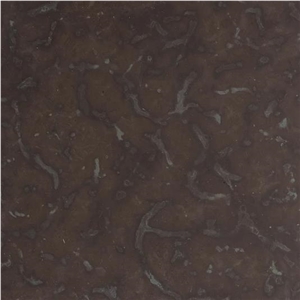
Rouge Taroudant Limestone is a distinct bioclastic natural stone known for its vibrant brick red-to-pink color. It is quarried in the Taroudant region of the Sous Valley in Morocco. This type of limestone is prized not only for its unique coloration but also for its special physical and mechanical properties, making it versatile for a variety of architectural and design applications.
Physical and Mechanical Properties
-
Water Absorption: Typically around 2-5%. This indicates the stone's permeability and its ability to withstand water exposure, making it suitable for both indoor and outdoor applications.
-
Density: Approximately 2.4 - 2.6 g/cm³. This density gives the stone a solid feel and contributes to its strength and durability.
-
Flexural Strength: Often measured between 8-11 MPa. This property reflects the stone's ability to resist deformation under load.
-
Compressive Strength: Typically ranges from 65-85 MPa. This makes the stone suitable for structural applications where high load-bearing capacity is required.
-
Hardness: Measured on the Mohs scale, the hardness is generally between 3-4, making it relatively soft compared to other construction stones.
-
Porosity: Approximately 8-15%. A higher porosity can affect the stone's durability and suitability for certain environments.
-
Slip Resistance: Varies depending on the finish; some finishes may offer better slip resistance, important for flooring applications.
Chemical and Mineral Composition
-
Calcium Carbonate (CaCO3): Typically around 85-95%. This is the primary component of limestone.
-
Iron Oxides: Approx. 1-3%, contributing to its characteristic red coloration.
-
Silica (SiO2): Often present in small amounts, around 1-3%.
-
Clay Minerals: Up to 5%, which can influence the stone's texture and workability.
-
Organic Material: Can vary, contributing to its bioclastic nature.
Usage
- Interior and Exterior Cladding: Frequently used for facades, columns, and feature walls due to its striking color and finish options.
- Flooring: Suitable for both interior and exterior environments if properly treated.
- Paving and Landscaping: Its durability and aesthetic appeal make it ideal for outdoor use.
- Decorative Elements: Including mantelpieces, countertops, and sculptures.
Maintenance
- Regular cleaning with a pH-neutral cleaner is recommended.
- Periodic sealing may be necessary, especially for areas exposed to moisture or heavy use.
- Avoid using acidic or abrasive cleaners that can damage the surface.
Cutting Sizes (cm)
- Available in a variety of sizes, often custom cut to project specifications.
- Common sizes include tiles and slabs in dimensions such as 30x30, 60x60, and larger custom formats.
Surface Finish Options
- Polished: Enhances the color and pattern, ideal for indoor applications.
- Honed: Provides a smooth, matte finish suitable for indoor and sometimes outdoor use.
- Brushed: Gives a textured surface that can improve slip resistance.
- Tumbled: Offers an aged appearance popular for rustic or traditional designs.
- Sandblasted: Provides a rough texture that highlights the stone's natural features.
- Bush-hammered: A rough, pitted surface ideal for slip resistance in outdoor applications.
Rouge Taroudant Limestone, with its distinct coloration and robust properties, makes it a favored choice for architects and designers looking to create lasting and impactful projects. Whether used for its structural properties or as a decorative feature, this limestone adds a unique aesthetic value across varied applications.


 Morocco

 Austria

 Spain

 Portugal


 Sweden

 Norway

 Croatia

 Bulgaria

 China

 France
