Post Your Needs

Royal Beige Marble

Beige - Marble

Oman

About

Item Details

Material Type:
Marble
Origin:
Oman (Suwaiq)
Primary Color(s):
Beige
Recommended Usage:
Kitchen and bathroom countertops, wash basins, building stone, ornamental stone, stairs, interior, exterior wall and floor applications, mosaic, waterjet pattern, wall panels, table tops, balustrades, columns, wall and pool copings, pool pavers, fireplaces
Additional Names:
Oman Imperial Beige Marble, Oman Royal Beige Marble, Oman Beige Marble, in China stone market:皇室米黄(Huángshì mǐhuáng), 贵妃米黄(Guìfēi mǐhuáng), Royal Beige Marble
Finished Surface:
Polished,Bush Hammered,Tumbled,Brushed,Honed,Split,Machine Cut,Natural Surface,Sandblasted,Combed,Leathered,Water Jet,Filled,Chiseled,Pickling

Testing

Water Absorption:
0.35 %
Density:
2710 kg/m³
Flexural Strength:
12 MPa
Compressive Strength:
161.0 MPa
Stone texture:
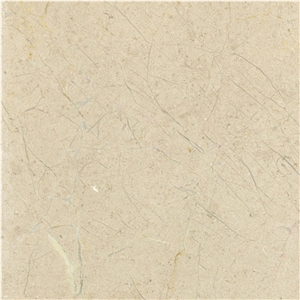
premium natural stone that showcases the understated elegance and organic beauty for which Omani marbles are renowned. As clearly displayed in the provided image, it is characterized by a soft, luminous beige background, serving as a serene canvas for nature's artistry. Its defining feature is the delicate yet distinct patterning of subtle, wispy veins and cloud-like formations in shades of warm taupe, soft brown, and muted grey. These markings are not bold or dramatic but rather gently integrated, creating a sense of depth, movement, and sophisticated texture. The overall palette is harmoniously neutral, offering a sense of calm and timeless warmth. This marble's fine to medium grain and consistent coloration make it exceptionally versatile. It is ideal for creating seamless, elegant surfaces in both residential and commercial interiors, adding a touch of refined luxury without overwhelming a space. Common applications include flooring, wall cladding, bathroom vanities, and fireplace surrounds, where its soft glow and natural character can be fully appreciated.

Description

Royal Beige Marble, a premium natural stone from Oman, is celebrated for its understated elegance and organic beauty. Characterized by a soft, luminous beige background with delicate, wispy veins and cloud-like formations, this marble brings a sense of depth and sophistication to any space. Below is a detailed description of the physical, mechanical, chemical, and practical properties of Royal Beige Marble, along with its uses, maintenance tips, available sizes, and surface finish options.

Physical and Mechanical Properties:

  • Water Absorption: 0.35%
  • Density: Approximately 2,710 kg/m³
  • Flexural Strength: Typically around 12 MPa
  • Compressive Strength: 161.0 MPa
  • Hardness: Typically rated around 3-4 on the Mohs scale
  • Porosity: Low, contributing to its durability and resistance to staining
  • Slip Resistance: Often depends on the finish, but generally offers moderate slip resistance when polished

Chemical and Mineral Composition (% by Weight):

  • Calcium Carbonate (CaCO3): Dominant component, often around 90-95%
  • Magnesium Carbonate (MgCO3): Approximately 2-5%
  • Other Minerals and Trace Elements: Include small amounts of quartz, clay minerals, and iron oxides contributing to coloration

Usage:

  • Residential Applications: Ideal for flooring, wall cladding, countertops, bathroom vanities, and fireplace surrounds
  • Commercial Applications: Perfect for hotel lobbies, office buildings, and luxury retail spaces
  • Exterior Use: Suitable for facades and outdoor flooring when properly sealed

Maintenance:

  • Regular Cleaning: Use of a damp cloth and pH-neutral cleaner; avoid acidic or abrasive cleaners
  • Sealing: Periodically seal to enhance stain resistance
  • Avoid: Heavy impact, prolonged moisture exposure without sealing, and acidic substances

Available Surface Finish Options:

  • Polished: Offers a high-gloss finish that enhances the stone’s natural color and veining
  • Honed: Provides a smooth, matte finish ideal for a softer appearance
  • Brushed: Adds texture to the surface, giving a rustic or aged look
  • Sandblasted: Produces a rough, anti-slip finish suitable for outdoor or high-traffic areas

Royal Beige Marble is a versatile and elegant choice for a variety of applications, bringing a sense of luxury and timeless warmth to any space. Its physical and mechanical properties make it durable and long-lasting, while its neutral palette and gentle patterning allow it to complement an array of interior styles. Proper maintenance ensures its beauty and functionality for years to come.

FAQ

How thick is a Royal Beige Marble swimming pool coping?

The thickness of Royal Beige Marble swimming pool coping can vary depending on the specific product and manufacturer. However, typical thicknesses for marble pool coping range from 1.25 inches (3.2 cm) to 2 inches (5.1 cm). It is recommended to consult with the supplier or manufacturer to determine the exact thickness of the specific product you are interested in.

Does Royal Beige Marble leave water spots?

Royal Beige Marble is a natural stone and, like most marbles, it can be susceptible to water spots. Water spots occur when water evaporates, leaving behind mineral deposits and a visible stain on the surface of the stone. However, the degree to which water spots are visible on Royal Beige Marble may vary depending on factors such as the finish, sealant, and regular maintenance of the marble. Proper sealing and regular cleaning with non-abrasive, pH-neutral cleaners can help prevent or minimize water spots on Royal Beige Marble.

Does chlorine damage Royal Beige Marble?

Chlorine can potentially damage Royal Beige Marble. Marble is a porous material and can be sensitive to acidic substances, such as chlorine. Chlorine can create etching or discoloration on the marble surface if not properly managed. It is recommended to avoid contact between chlorine and marble surfaces and to clean it with a pH-neutral stone cleaner instead.

What happens to Royal Beige Marble when it gets wet?

When Royal Beige Marble gets wet, it may undergo a few changes: 1. Darkening: Wetting Royal Beige Marble can cause it to temporarily darken in color. The water penetrates the stone, making it appear darker until it dries out completely. This darken effect is known as wet look and is temporary. 2. Increased visibility of veins and patterns: Royal Beige Marble typically contains natural veining and patterns. When the stone gets wet, these patterns tend to become more pronounced and visually distinct. The water can enhance the stones natural beauty by highlighting its unique features. 3. More slipperiness: Like other types of marble, Royal Beige Marble can become slippery when wet. When water is present on the surface of the marble, it reduces friction and increases the risk of slipping. Extra caution should be taken to prevent accidents in wet areas. It is worth noting that the long-term effects of frequent water exposure on Royal Beige Marble can lead to damage or discoloration if the stone is not properly sealed or maintained.

Can Royal Beige Marble be used as terrace pavers?

Royal Beige Marble can certainly be used as terrace pavers. It is a durable and versatile natural stone that can withstand outdoor conditions and provide an elegant and luxurious look to your terrace. However, it is important to note that marble is a high-maintenance material and may require regular cleaning and sealing to maintain its beauty and prevent staining. It is also recommended to use a professional installer who can ensure proper installation and correct sealing of the marble pavers.

Is travertine better than Royal Beige Marble around pools?

Both travertine and royal beige marble are popular choices for pool decks and surrounding areas. However, whether one is better than the other depends on personal preference and specific needs. Travertine is a type of natural stone that is known for its durability and ability to withstand extreme temperature changes. It is also slip-resistant, making it a popular choice for pool areas. Travertine comes in a variety of colors and finishes, allowing for customization to match your desired aesthetic. Some people prefer travertine because of its earthy appearance and natural texture. On the other hand, royal beige marble is a type of marble that offers an elegant and luxurious appearance. It has a smooth and polished finish that can add a touch of sophistication to your pool area. However, marble is generally more prone to staining and requires more maintenance compared to travertine. It is also more sensitive to acidic substances and may require sealing to prevent damage. Ultimately, the choice between travertine and royal beige marble around pools boils down to personal preference and priorities. If you prioritize durability, slip-resistance, and low maintenance, travertine may be the better option. However, if you desire a more luxurious look and are willing to invest time and effort in maintenance, royal beige marble can provide an elegant touch. It is important to consider factors such as budget, maintenance requirements, and aesthetic preferences when making a decision.

Is polished Royal Beige Marble slippery around a pool deck?

Polished Royal Beige Marble can be slippery when wet. The polished surface of marble creates a smooth and shiny finish, which can become even more slippery on a pool deck due to regular exposure to water and moisture. To prevent accidents, it is recommended to use non-slip coatings or mats on the surface of the marble or choose a different type of material that offers better traction for pool decks.

Can Royal Beige Marble be used in a swimming pool?

Yes, Royal Beige Marble can be used in a swimming pool. Marble is a natural stone that is commonly used as a pool coping or decking material. It is durable, heat-resistant, and can withstand exposure to water and chemicals. However, it is important to properly seal and maintain the marble to prevent staining and damage from pool chemicals. Consulting with a professional installer or pool technician would be recommended to ensure proper installation and maintenance of the marble in a swimming pool setting.

Is Royal Beige Marble good for swimming pool coping?

Royal Beige Marble can be a good choice for swimming pool coping. It is a durable and versatile natural stone that can withstand moisture and the chemicals used in swimming pools. The light beige color of Royal Beige Marble can also provide an elegant and natural look to the pool area. However, it is important to note that marble is a porous material and may require regular sealing to protect it from water damage and staining. Additionally, proper installation and maintenance are key to ensuring the longevity and performance of any swimming pool coping material.

How do I clean Royal Beige Marble outdoor stairs?

To clean Royal Beige Marble outdoor stairs, follow these steps: 1. Remove loose dirt and debris: Use a broom or a brush to sweep away any loose dirt, leaves, and other debris from the stairs. 2. Prepare a cleaning solution: Mix a few drops of a mild, pH-neutral dish soap with warm water in a bucket. Avoid using acidic or abrasive cleaners as they can damage the marble surface. 3. Apply the cleaning solution: Dip a soft-bristled brush or a mop into the soapy water and scrub the marble stairs gently. Make sure to cover the entire surface, paying extra attention to any stains or stubborn dirt. 4. Rinse thoroughly: Use a hose or a bucket of clean water to rinse off the soapy residue from the marble stairs. Ensure that all the cleaning solution is thoroughly washed away. 5. Dry the surface: Wipe down the stairs with a clean, soft cloth or towel to remove excess water. This will help prevent water spots and streaks from forming. 6. Remove stains (if necessary): For tough stains on the marble, you can create a poultice using baking soda and water. Apply the poultice to the stained area, cover it with plastic wrap, and let it sit overnight. Then, remove the poultice and rinse the area with water. 7. Seal the marble (optional): If your Royal Beige Marble stairs are not already sealed, consider applying a marble sealer to protect them from stains and damage. Follow the instructions provided by the manufacturer of the sealer for the best results. Remember to test any cleaning product or method on a small, inconspicuous area of the marble stairs before cleaning the entire surface. This will help ensure that the cleaner does not cause any discoloration or damage to the marble.

Products & Prices

View More

Hot Beige Marble

New Marble

Post Your Request

The request includes:
  1. surface finished, size
  2. quantity required