Post Your Needs

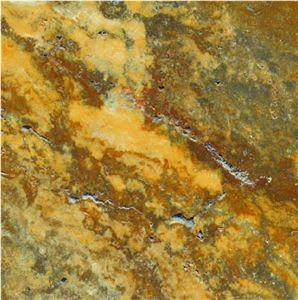
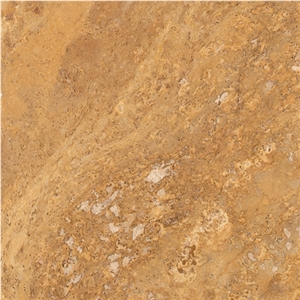
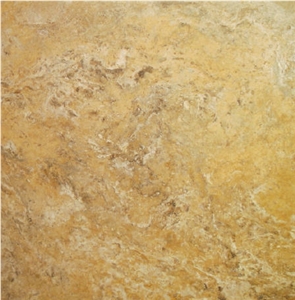
Royal Gold Travertine

Gold - Travertine

Jordan

About

Item Details

Material Type:
Travertine
Origin:
Jordan (Eastern Bank of the Jordan River Valley (Al-Ghor), Deir 'Alla)
Primary Color(s):
Gold
Recommended Usage:
planters, fountains, facade, urban street furnitures, building stone, ornamental stone, stairs, interior, exterior wall applications, mosaic, waterjet pattern, wall panels, table tops, balustrades, columns, wall and pool copings, pool pavers, fireplaces
Additional Names:
Royal Gold Dark Travertine, Royal Gold Light Travertine, Jordan Yellow Travertine, Jordan River Valley Travertine, Jordan Travertine, Jordan Valley Travertine, Jordan Valley Travertine
Finished Surface:
Polished,Bush Hammered,Tumbled,Brushed,Honed,Split,Machine Cut,Natural Surface,Sandblasted,Combed,Leathered,Water Jet,Chiseled,Pickling

Testing

Water Absorption:
1.91 - 1.97 By weight %
Density:
2422 - 2505 kg/m3
Flexural Strength:
9.8 - 14.5 MPa
Compressive Strength:
47.7 - 66.1 MPa
Stone texture:
warm golden-beige and yellow tones with subtle veining; exceptionally attractive color with hints of golden several areas with extensive outcroppings of travertine were discovered on the eastern bank of the Jordan valley Jordanian travertine varies from light cream and beige to shades of brown and yellow. Chemical analysis:  Ca CO3:  97.71%  Fe2 O3 0.62%  Si O2 00.55%  Mg O 00.34%

Description

Royal Gold Travertine, sourced from the Jordan Valley, is a visually appealing natural stone known for its warm golden-beige and yellow tones. It often exhibits subtle veining, enhancing its decorative appeal. This type of travertine is predominantly found on the eastern bank of the Jordan River Valley, specifically in the Al-Ghor region near Deir 'Alla.

Physical and Mechanical Properties

  • Water Absorption: 1.91% - 1.97% by weight
  • Density: 2422 - 2505 kg/m³
  • Flexural Strength: 9.8 - 14.5 MPa
  • Compressive Strength: 47.7 - 66.1 MPa
  • Hardness: Travertine is generally softer than granite but comparable to marble, suitable for most interior applications.
  • Porosity: Porous nature, typical of travertine, requires sealing to prevent staining.
  • Slip Resistance: Moderately slip-resistant depending on the surface finish; honed finishes are less slip-resistant when wet.

Chemical and Mineral Composition (% by Weight)

  • CaCO3 (Calcium Carbonate): 97.71%
  • Fe2O3 (Iron Oxide): 0.62%
  • SiO2 (Silicon Dioxide): 0.55%
  • MgO (Magnesium Oxide): 0.34%

Uses

  • Interior Flooring: Adds a warm, luxurious feel to living rooms, kitchens, and bathrooms.
  • Wall Cladding: Widely used in interior wall designs and as an accent feature in homes and commercial properties.
  • Countertops: Suitable for areas with low to moderate activity due to its aesthetic appeal and relative softness.
  • Exterior Applications: Used in outdoor cladding, patios, and pool surrounds, but requires proper sealing and maintenance.

Maintenance

  • Regular cleaning using a pH-neutral stone cleaner.
  • Periodic sealing recommended to maintain water resistance and prevent staining.
  • Avoid acidic or abrasive cleaners which can damage the stone.

Cutting Sizes (cm)

  • Commonly available in various tile sizes such as 30x30, 30x60, and 60x60.
  • Custom sizes can be cut upon request for specific project needs.

Surface Finish Options

  • Honed: Smooth, matte finish, popular for floors and walls.
  • Polished: High-gloss finish that enhances the natural veining, ideal for decorative purposes.
  • Brushed: Textured finish that provides an antique look, often used for outdoor applications.
  • Tumbled: Provides an aged appearance with a softer feel, suitable for both interior and exterior applications.

Royal Gold Travertine is revered not only for its color and texture but also for its versatility in design applications. When maintained properly, it can significantly enhance any space through its natural warmth and elegance.

FAQ

Can Jordan Travertine be used exterior applications in cold climates?

Jordan Travertine is a type of natural stone that is commonly used for interior and exterior applications. However, it may not be suitable for use in cold climates. Travertine is a porous material and can absorb water. In colder climates, where freeze-thaw cycles occur, water trapped inside the stone can freeze and expand, leading to cracking or damage. This is a common concern with most types of natural stones. If you still want to use Jordan Travertine for exterior applications in cold climates, it is essential to ensure proper installation and maintenance. The stone should be sealed with a suitable sealer to reduce its water absorption. Regular cleaning and sealing may also be required to prevent water penetration and damage. It is recommended to consult with a professional stone supplier or installer who has experience working with Jordan Travertine or similar stones in cold climate conditions. They can provide specific advice on the suitability and maintenance requirements of the stone for your specific application.

How thick is Jordan Travertine slabs?

Jordan Travertine slabs typically come in thicknesses ranging from 1.5 to 2 centimeters or 0.6 to 0.8 inches. However, the thickness can vary depending on the supplier or specific requirements of a project.

Can Jordan Travertine be used in a office?

Yes, Jordan travertine can be used in an office setting. It is commonly used for flooring, wall cladding, and countertops in office spaces. Travertine is a durable and attractive natural stone that can provide a timeless and sophisticated look to any office environment. Its neutral color tones and unique patterns make it suitable for a variety of office design styles.

Can Jordan Travertine be used in landscaping?

Yes, Jordan Travertine can be used in landscaping. It is a popular choice for creating pathways, patios, and outdoor living spaces in residential and commercial landscaping projects. Its unique texture and natural beauty can complement a variety of landscape designs and add a touch of elegance to outdoor spaces. Additionally, it is a durable and long-lasting material that can withstand outdoor elements and foot traffic.

What is the coefficient of friction of Filled Jordan Travertine tiles?

The coefficient of friction of Filled Jordan Travertine tiles can vary depending on several factors such as the surface finish and the presence of any additives or sealants. Generally, filled travertine tiles have a coefficient of friction ranging from 0.4 to 0.7. It is recommended to consult the manufacturer or supplier for the specific coefficient of friction for the specific type of Filled Jordan Travertine tile you are referring to.

Are there color variations of Jordan Travertine?

Yes, there are color variations of Jordan Travertine. Jordan Travertine is a type of natural stone and it can come in various colors including beige, cream, brown, and even silver or grey tones. The specific colors and patterns can vary depending on the specific quarry or location where the stone is sourced from.

Can Jordan Travertine be used outdoors?

Yes, Jordan Travertine can be used outdoors. It is a natural stone that is known for its durability, making it suitable for outdoor applications such as patio flooring, pool surrounds, and outdoor stairs. However, it is important to note that outdoor use can cause the stone to weather and develop a natural patina over time. Additionally, proper installation and sealing are necessary to ensure the longevity and performance of Jordan Travertine in an outdoor setting.

Is Jordan Travertine an expensive stone?

I dont have access to current pricing information. However, Jordan Travertine is generally considered a mid-range priced stone, with prices varying depending on factors such as size, finish, and source.

Products & Prices

View More

Hot Gold Travertine

New Travertine

Post Your Request

The request includes:
  1. surface finished, size
  2. quantity required