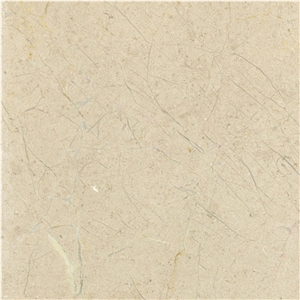
Sabbia Beige Marble is a natural stone marble quarried in Mexico, known for its elegant appearance characterized by soft ivory and warm beige tones accented by subtle, organic veining. This type of marble is popular for both residential and commercial applications due to its aesthetic appeal and functional properties. Below are detailed descriptions of its physical, mechanical, and chemical properties, along with usage, maintenance, cutting sizes, and finishes.
Physical and Mechanical Properties
- Water Absorption: Typically low (around 0.2% – 0.4%), making it relatively resistant to water infiltration.
- Density: Generally ranges from 2.68 to 2.72 g/cm³.
- Flexural Strength: Approximately 12 MPa to 14 MPa, indicating moderate resistance to bending forces.
- Compressive Strength: Typically between 100 MPa and 110 MPa, signifying strong resistance to compressive loads.
- Hardness: Generally measured at around 3-4 on the Mohs scale, indicating that while it is durable, it is softer than materials like granite.
- Porosity: Typically low, enhancing its durability and decreasing the likelihood of stains when properly sealed.
- Slip Resistance: The coefficient of friction can vary based on the finish, but typically ranges from 0.4 to 0.6 when dry.
Chemical and Mineral Compositions
-
Calcium Carbonate (CaCO₃): Main compound, generally over 90% by weight.
-
Silica (SiO₂): Between 2% and 4%, contributing to its hardness and strength.
-
Other Minerals: Trace elements of iron oxide and clay minerals may contribute to veining and color variations.
Usage
-
Interior Applications: Flooring, wall cladding, countertops, backsplashes, fireplace surrounds, and bathroom vanities.
-
Exterior Applications: Limited due to potential for weathering; however, can be used for shaded patios or exterior wall panels with proper treatment.
Maintenance
-
Sealing: Regular sealing recommended to protect against stains and maintain aesthetic.
-
Cleaning: Use pH-neutral cleansers and avoid acids or harsh chemicals to prevent etching and dulling.
-
Polishing: Periodic polishing maintains luster and helps preserve the surface.
Cutting Sizes (cm)
- Typically available in standard tile sizes such as 30x30, 30x60, 40x40, and 60x60 cm.
- Custom slab sizes available depending on the quarry and manufacturer.
Common Surface Finish Options
- Polished: High gloss finish that highlights color and veining.
- Honed: Satin-smooth, matte finish that is less slippery and reflects less light.
- Brushed: Textured finish that provides a rustic look and improved slip resistance.
- Tumbled: An antiqued, aged appearance with rounded edges.
This comprehensive overview of Sabbia Beige Marble highlights its beauty, versatility, and durability, making it suitable for a range of architectural and design applications. Proper care and maintenance ensure its aesthetic and functional longevity.


 Mexico


 Turkey


 China


 Spain


 Italy

 Oman

 Egypt

 Iran


 Myanmar


