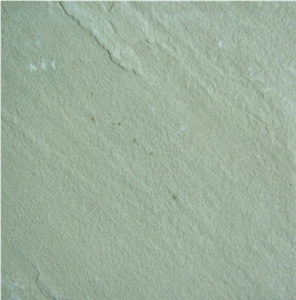
Sander Gruen Sandstein

About
Item Details
- Material Type:
- Sandstone
- Origin:
Germany (Lower Franconia - Sandam Main, Bavaria) - Primary Color(s):
- Green
- Recommended Usage:
- Suitable for interior and exterior applications
- Additional Names:
- Sander Grün, Sander Sandstein grau-grün, Sandergrun Sandstone, Sander Sandstein, Gruener Sander, Sand Gruen, Sander Gruen, Sander Mainsandstein, Sander Sandstein, Sander Schilfsandstein, Sander Schilfsandstein grün, Sander Gruen Sandstein
Testing
- Water Absorption:
- 2.35 - 7.5 By weight %
- Density:
- 2060 - 2110 kg/m3
- Flexural Strength:
- 4.21 - 6.56 Mpa
- Compressive Strength:
- 62 - 82 Mpa
Description
The fine-grained "green Main sandstone" dating from the Middle Keuper period is extracted from the Sand Quarry in Lower Franconia. Because of the plant fossil deposits, this natural stone is also known as "Schilfsandstein".
In Franconian Baroque architecture, stone was extracted to make sculptures and decorative elements as well as entire buildings. It was used, for example, for Seehof Palace near Bamberg and for the Residenz in Würzburg. Sander Grün is a frequently used in the conservation of historic monuments and the architectural rendering of historic buildings.
Rohdichte:2,11 kg/dm³
Druckfestigkeit: 62,00 N/mm²
Biegezugfestigkeit:4,21 N/mm²
Ausbruchfestigkeit:397,00 N
Wasseraufnahme:6,48 Gew %
FAQ
Yes, Germanys Sander Gruen Sandstein (sandstone) can be used in landscaping. Sandstone is a popular choice for outdoor projects such as walkways, patios, retaining walls, and garden features. It is known for its natural beauty and durability, making it suitable for various landscaping applications. The Sander Gruen Sandstein from Germany specifically may have unique characteristics and color variations that can add aesthetic value to landscape designs.
Can Germany's Sander Gruen Sandstein Sandstone be used exterior applications in very dusty climates?
Yes, Germanys Sander Gruen Sandstein Sandstone can be used for exterior applications in very dusty climates. Sandstone is a durable and weather-resistant material that can withstand the harsh conditions of dusty environments. It is commonly used for building facades, walkways, and other outdoor structures. However, it is important to note that regular maintenance, such as cleaning and sealing, may be required to keep the sandstone in good condition and prevent dust from accumulating on its surface.
Can Germany's Sander Gruen Sandstein Sandstone be used in a kitchen?
Yes, Germanys Sander Gruen Sandstein Sandstone can be used in a kitchen. Sandstone is a durable natural stone that is resistant to heat and can withstand regular kitchen use. It can be used for countertops, floors, backsplashes, or even as a decorative element in the kitchen. However, it should be sealed properly to prevent staining or damage from moisture and acidic substances. It is recommended to consult with a professional or specialist to ensure proper installation and maintenance of the sandstone in the kitchen.
How thick is Germany's Sander Gruen Sandstein Sandstone slabs?
It is not possible to provide an accurate answer to this question as the thickness of Sander Gruen sandstone slab can vary depending on the specific quarry and the requirements of the project. The thickness of sandstone slabs typically ranges from about 2 to 4 inches (5 to 10 cm) for most construction and architectural uses. However, for specialized applications, thicker slabs may be available. It is recommended to contact a supplier or manufacturer of Sander Gruen sandstone for precise information on the available thickness options.
What is the coefficient of friction of Filled Germany's Sander Gruen Sandstein Sandstone tiles?
The coefficient of friction for Filled Germanys Sander Gruen Sandstein Sandstone tiles can vary depending on factors such as the finish of the tile, surface conditions, and the specific testing method used. To obtain accurate and up-to-date information about the coefficient of friction for these sandstone tiles, it is recommended to contact the manufacturer or supplier directly. They should be able to provide the specific coefficient of friction values for their product.
What grade is Germany's Sander Gruen Sandstein Sandstone?
Germanys Sander Gruen Sandstein Sandstone does not have a specific grade. The term Sander Gruen refers to the color and type of sandstone, which is a greenish sandstone found in the Sander region of Germany. Different types of sandstone may have varying levels of quality or suitability for different applications, but there is no universally standardized grading system for sandstone.
Are there color variations of Germany's Sander Gruen Sandstein Sandstone?
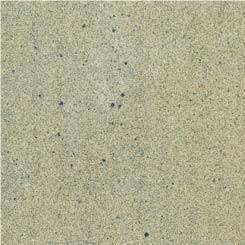
Yes, there are color variations of Germanys Sander Gruen Sandstein (Sandstone). The Sander Gruen Sandstone is known for its predominantly greenish-gray color, but it can also have variations in tones, including lighter shades of gray or green. The natural color variations occur due to differences in mineral composition and environmental factors during the formation of the sandstone.
Is Germany's Sander Gruen Sandstein Sandstone an expensive stone?
I dont have access to current market prices or specific information about every stone, but I can provide general information on sandstone pricing.
Sandstone is a relatively common material, and its price depends on several factors such as quality, availability, location, and transportation costs. The cost of Sander Gruen Sandstein Sandstone in Germany could be affected by several factors including local demand, production costs, and competition.
Overall, sandstone is typically considered a moderately priced natural stone compared to other types of marble or granite. However, the price of specific sandstones can vary greatly depending on the factors mentioned above.