Sedona Red Sandstone

About
Item Details
- Material Type:
- Sandstone
- Origin:
United States (Sedona, northern Verde Valley region, Arizona) - Primary Color(s):
- Red
- Recommended Usage:
- monuments, building stone, ornamental stone, stairs, interior, exterior wall and floor applications, mosaic, wall panels, reliefs, window sills, balustrades, columns, wall and pool copings, pool pavers, sculptures, fireplaces, cobbles, pavers, curbstone
- Additional Names:
- Arizona Red Sandstone, Sedona Red Sandstone
- Finished Surface:
- Polished,Bush Hammered,Tumbled,Brushed,Honed,Split,Machine Cut,Natural Surface,Sandblasted,Combed,Water Jet,Chiseled,Pickling
Testing
- Water Absorption:
- ~4.0%
- Density:
- 141 to 145 lbs/cu ft (2258 – 2323 kg/m³)
- Compressive Strength:
- 11,000 to 15,000 psi (75.8 – 103.4 MPa)
- Stone texture:
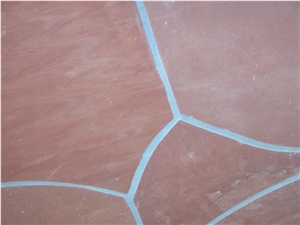
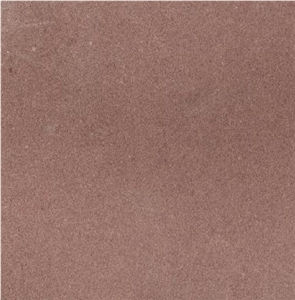
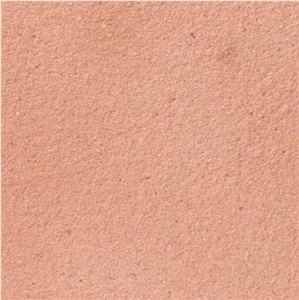
- a striking, 300-million-year-old sedimentary rock famous for its deep vermilion hues, primarily driven by hematite (iron oxide/rust) staining. Hematite Staining: Iron minerals trapped in the sediment oxidized, creating the distinct red and orange coatings on quartz sand grains. a deep orange-red base that resembles rust, terracotta, or burnt sienna. This stone displays shifting hues throughout the day, glowing with a bright crimson and fiery orange during sunrise and sunset, while appearing as a muted brown or tan in the harsh midday sun. Occasional horizontal white or cream-colored bands of pure bleached quartz create striking white striations that cut directly through the deep red layers
Description
Sedona Red Sandstone is a visually striking sedimentary rock that is characterized by its deep vermilion hues, primarily caused by hematite staining. This stone is famous for its ability to change colors throughout the day, providing a dynamic visual experience. Below is a detailed description of its properties, composition, uses, and finishes.
Physical and Mechanical Properties
- Water Absorption: ~4.0%
- Density: 141 to 145 lbs/cu ft (2258 – 2323 kg/m³)
- Flexural Strength: Not specified, but generally moderate for sandstones
- Compressive Strength: 11,000 to 15,000 psi (75.8 – 103.4 MPa)
- Hardness: Moderately hard, suitable for various construction applications
- Porosity: Moderately porous, contributing to its water absorption characteristics
- Slip Resistance: Offers moderate slip resistance, suitable for some outdoor applications
Chemical and Mineral Composition
Mineral Composition:
- Quartz: Major constituent
- Hematite: Responsible for the red coloration
- Feldspar: Minor component
Chemical Composition (% by weight):
- Silica (SiO2): Dominant content due to quartz
- Iron Oxide (Fe2O3): Provides the red hue, varies in concentration
- Other minerals contributing to minor differences in color and texture
Usage
- Construction: Widely used for building facades due to its striking appearance.
- Landscaping: Popular in landscape architecture for its vibrant color palette.
- Interior Decoration: Used for feature walls and decorative pieces.
- Paving: Can be used for walkways, although care must be taken due to its porosity.
Maintenance
- Regular cleaning with mild soap and water.
- Sealing recommended to minimize water absorption and protect against staining.
- Avoid harsh chemicals that could damage the stone.
Cutting Sizes
- Commonly cut in slabs of varying thicknesses, but standard sizes are often customized:
- Thickness: 2 cm to 5 cm
- Other dimensions based on project requirements
Available Common Surface Finish Options
- Honed Finish: Smooth, matte surface, reducing glare and highlighting natural colors.
- Polished Finish: Not typically applied due to the porosity of sandstone, but possible for specific applications to enhance color depth.
- Natural Cleft Finish: Retains natural textural properties, popular for exterior applications.
- Sandblasted Finish: Provides a rough texture, enhancing slip resistance for outdoor surfaces.
Appearance
- Color Variations: Deep orange-red base similar to rust, terracotta, or burnt sienna, with color shifts throughout the day.
- Striations: Horizontal white or cream-colored bands of pure bleached quartz provide visual contrast.
- Time of Day Variation: Glows bright crimson and fiery orange during sunrise and sunset, while appearing more muted brown or tan under harsh midday sunlight.
This sandstone, quarried in the Sedona region of Northern Verde Valley, Arizona, is both a cultural and geological treasure, offering not just structural utility but also aesthetic appeal.
FAQ
Yes, United States Sedona Red Sandstone can be used in a kitchen. Sedona Red Sandstone is a popular choice for countertops, backsplashes, and flooring in kitchens. It is a durable and heat-resistant material, making it suitable for kitchen applications. Additionally, its natural red color adds warmth and character to the kitchen space. However, its important to note that sandstone is a porous material, so it may require regular sealing to protect it from stains and moisture.
Can United States's Sedona Red Sandstone be used exterior applications in cold climates?
Yes, United States Sedona Red Sandstone can be used in exterior applications in cold climates. Sedona Red Sandstone is known for its durability and weather resistance, making it suitable for outdoor use in various climates. It is capable of withstanding freezing temperatures, as the stone is naturally resistant to frost damage. However, to ensure long-term performance, it is important to properly seal and maintain the stone to protect it from extreme cold and moisture.
What is the coefficient of friction of Water Jet Cut United States's Sedona Red Sandstone tiles?
I couldnt find specific information on the coefficient of friction for Water Jet Cut United States Sedona Red Sandstone tiles as it would require access to manufacturer specifications or technical data. The coefficient of friction can vary depending on various factors such as the surface finish, texture, or any additional treatments applied to the tiles. It would be best to contact the manufacturer or supplier directly to obtain the coefficient of friction details for the specific product you are interested in.
Can United States's Sedona Red Sandstone be used outdoors?
Yes, United States Sedona Red Sandstone can be used outdoors. Sedona Red Sandstone is a popular natural stone choice for outdoor applications such as paving stones, patio tiles, retaining walls, walkways, and landscape designs. It is known for its durability, strength, and natural beauty, making it suitable for withstanding outdoor weather conditions. However, for longer lifespan, it is recommended to seal the stone to protect it from staining and erosion.
Are there color variations of United States's Sedona Red Sandstone?
Yes, there are color variations of United States Sedona Red Sandstone. While the primary color is typically a reddish hue, the exact shade can vary due to factors such as the mineral content, iron oxide levels, and weathering patterns within the sandstone. Some variations include brighter reds, deeper maroons, and even shades of orange or brown. These variations contribute to the unique aesthetics of Sedona Red Sandstone, making it a popular choice for architectural and decorative purposes.
Can United States's Sedona Red Sandstone be used in heavy use areas?
Yes, United States Sedona Red Sandstone can be used in heavy use areas. Sedona Red Sandstone is known for its durability, strength, and ability to withstand heavy foot traffic. It is commonly used in various construction applications, including building facades, flooring, paving, and wall cladding. However, it is important to ensure that proper sealing and maintenance procedures are followed to enhance its longevity and prevent staining or deterioration in heavy use areas. Consulting with a professional stone supplier or contractor can provide specific guidance for the best use and maintenance practices.
How thick is United States's Sedona Red Sandstone slabs?
There is no specific answer to this question as the thickness of Sedona Red Sandstone slabs can vary depending on the application and intended use. However, typical thicknesses range from 1.5 inches to 3 inches.
What grade is United States's Sedona Red Sandstone?
Sedona Red Sandstone is not a grade or classification of sandstone. It is a type of sandstone with a distinct red hue that is found in the Sedona area of Arizona, United States. The geological age of Sedona Red Sandstone is about 300 million years old and it is classified as a sedimentary rock.
Is United States's Sedona Red Sandstone an expensive stone?
I do not have information about the current price quotes for Sedona Red Sandstone in the United States. However, the cost of Sedona Red Sandstone can vary depending on factors, such as quality, size, and location. It is recommended to check with local stone suppliers for current pricing information.