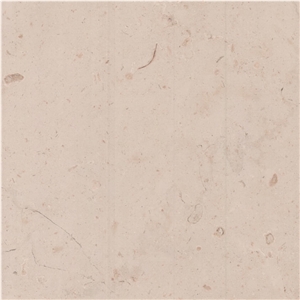
Selgase Creme Limestone is a warm, inviting natural stone characterized by its cream to light beige tones. It exudes an elegant appearance suitable for architectural applications. Its visual appeal is derived from a generally uniform and understated appearance, with slight natural variations like clouding or microfossil markings that add depth and interest without prominent veining.
Physical and Mechanical Properties:
- Water Absorption: 6.5–7.5%
- Density: 2200–2300 kg/m³
- Flexural Strength: Data needed
- Compressive Strength: 74–125 MPa
- Hardness: Moderate (exact values needed for precise application suitability)
- Porosity: Slightly porous, contributing to its natural look and feel
- Slip Resistance: Considered moderate, but detailed testing for specific finishes required
Chemical and Mineral Compositions (% by weight):
- Calcite (Calcium Carbonate): Predominant mineral
- Dolomite: Minor presence
- Quartz: Trace elements
- Others (clay minerals, organic matter): Trace amounts
- Exact chemical breakdown typically needed via lab analysis for precise data.
Usage:
- Interior Applications: Flooring, wall cladding, fireplace surrounds, bathroom vanities, and countertops.
- Exterior Applications: Facades, paving, and landscaping elements, though careful sealing and maintenance are necessary.
- Architectural Features: Columns, architraves, and detailed masonry work.
Maintenance:
- Routine cleaning with mild soap and water.
- Application of a penetrating sealer recommended to reduce porosity and enhance durability.
- Avoid acidic or abrasive cleaners that could damage the stone's surface.
Cutting Sizes (typical but customizable):
- Tiles: Common dimensions include 30x30 cm, 40x40 cm, 60x60 cm, etc.
- Slabs: Typically cut into larger formats, custom sizes available upon request.
- Thickness: Generally ranged from 1.5 cm to 3 cm, depending upon application needs.
Surface Finish Options:
- Honed: Smooth, matte finish highlighting the stone's natural color and texture.
- Polished: Glossy sheen enhancing color depth and visual appeal.
- Brushed: Soft, tactile finish with enhanced slip resistance, retaining a natural feel.
- Tumbled or Antiqued: Offers a rustic, aged appearance suitable for traditional or heritage restorations.
Selgase Creme Limestone is particularly valued for its gentle and warm tones, structural reliability, and the ability to be integrated seamlessly into various design aesthetics, from contemporary to traditional. Its consistent quality and availability make it a favored choice for both large-scale architectural projects and bespoke applications.


 Estonia


 Saudi Arabia

 Germany

 Spain

 Portugal


 Norway

 Croatia

 Bulgaria

 China

 France
