


 Portugal
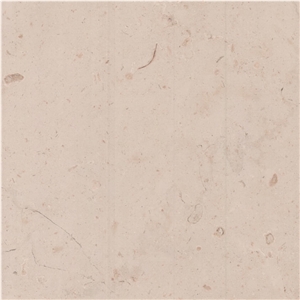
Can Portugal's Semi Rijo do Arrimal Limestone be used exterior applications in cold climates?
Portugals Semi Rijo do Arrimal Limestone can be suitable for exterior applications in cold climates, but certain considerations must be taken into account.
Limestone is generally a durable and versatile material that can withstand various weather conditions. However, its performance can be affected by factors such as the type of limestone, its porosity, and the specific climate conditions.
In cold climates, the main concern is the potential damage caused by freeze-thaw cycles. When water penetrates the limestone and freezes, it expands, causing pressure on the stones structure. Over time, this can lead to cracking and deterioration.
To ensure the suitability of the Semi Rijo do Arrimal Limestone for exterior applications in cold climates, it is recommended to:
1. Choose a dense and low-porosity variety of the limestone. Dense limestone is less susceptible to water absorption, reducing the risk of freeze-thaw damage.
2. Apply a protective sealant or water repellent to the stone surface. This can help prevent water absorption and minimize the potential for freeze-thaw damage.
3. Regularly clean and maintain the limestone surfaces. This can help remove any dirt, debris, or moss that can retain water and contribute to freeze-thaw damage.
4. Consider the local climate and specific location of the limestone installation. Factors such as overall exposure to precipitation, shelter from wind and rain, and the presence of overhangs or canopies can all affect the level of exposure to weathering forces.
By following these guidelines and working with experienced professionals, Portugals Semi Rijo do Arrimal Limestone can be successfully used in exterior applications in cold climates while maintaining its aesthetic and functional qualities.


 Saudi Arabia

 Germany

 Spain


 Norway

 Croatia

 Bulgaria

 China

 France
