Post Your Needs

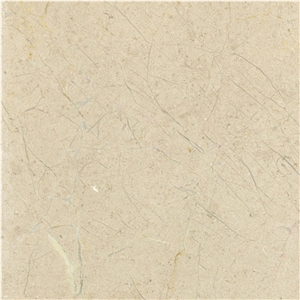
Serpeggiante Classico Trani Marble

Beige - Marble

Italy

About

Item Details

Material Type:
Marble
Origin:
Italy (Apricena, Provincia di Foggia, Puglia)
Primary Color(s):
Beige
Recommended Usage:
kitchen and bathroom countertops, monuments, building stone, ornamental stone, stairs, interior, exterior wall and floor applications, mosaic, waterjet pattern
Additional Names:
Serpeggiante Silvabella Marble, Serpeggiante Napoleon Marble, Serpeggiante Righina Marble, Serpeggiante Trani Marble, Serpeggiante Classico Marble, Trani Serpeggiante Classico Marble, Serpeggiante Trani Classico Marble, Serpeggiante Classico Trani Marmi, Serpeggiante Marble, in China stone market:木纹石(Mù wén shí), Serpeggiante Classico Trani Marble
Finished Surface:
Polished,Bush Hammered,Tumbled,Brushed,Honed,Split,Machine Cut,Natural Surface,Sandblasted,Acid Washing,Combed,Leathered,Water Jet,Filled,Chiseled,Pickling

Testing

Water Absorption:
0.15 - 0.31 weight %
Density:
2720 kg/m3
Flexural Strength:
14.1 MPa
Compressive Strength:
199 - 230 MPa
Stone texture:
Serpeggiante Classico Trani is a type of natural marble (It is defined as limestone according to some sources.) that is quarried in Italy and is commonly used for flooring, wall cladding, and decorative purposes. It is a high-quality limestone that is known for its creamy beige color with subtle veins of light brown and grey. The marble has a honed or polished texture, giving it a smooth and elegant appearance. Serpeggiante Classico Trani Marble is a highly durable and low-maintenance material that is suitable for both indoor and outdoor use. It is often used in traditional and classic architectural designs due to its warm and inviting appearance. The marble can be easily cut and shaped to fit a variety of design styles and applications. With proper care and maintenance, Serpeggiante Classico Trani Marble can last for many years and add natural beauty to any space. Due to its warm and inviting appearance, Serpeggiante Classico Trani Marble is a popular choice for interior and exterior design projects, such as flooring and wall cladding in traditional and classic designs. It is also commonly used for decorative accents, such as fireplace surrounds and columns.

Description

Serpeggiante Classico Trani Marble, commonly referred to as a limestone by some sources, is a natural stone quarried in the Apulia region of Italy near Apricena, Provincia di Foggia. It is renowned for its creamy beige coloration adorned with subtle veins of light brown and grey, adding an elegant and warm ambiance to various architectural applications. Below is a detailed breakdown of its properties, composition, usage, maintenance, and finishes:

Physical and Mechanical Properties:

  • Water Absorption: 0.15 - 0.31 weight %
  • Density: 2720 kg/m³
  • Flexural Strength: 14.1 MPa
  • Compressive Strength: 199 - 230 MPa
  • Hardness: Typically falls within the range indicative of medium to high hardness, making it suitable for a variety of applications.
  • Porosity: Generally low, contributing to its durability.
  • Slip Resistance: Moderately slip-resistant, although this can vary with the type of surface finish applied.

Chemical and Mineral Composition (% by weight):

  • Calcium Carbonate (CaCO3): Predominantly high, being a significant composition of limestone.
  • Silica (SiO2): Present in trace amounts, contributing to the stone's slight veining.
  • Iron Oxide (Fe2O3): Also present in trace amounts, influencing the subtle color variations.
  • Other minerals and compounds: Small percentages of minerals such as clay or organic materials may also be present, contributing to its unique color and pattern characteristics.

Usage and Applications:

  • Flooring: Ideal for both residential and commercial spaces due to its durability and aesthetic appeal.
  • Wall Cladding: Provides an elegant finish suitable for interiors and exteriors.
  • Decorative Accents: Frequently used in fireplaces, columns, and as decorative borders owing to its warm tones and classic appearance.
  • Countertops and Tabletops: Suitable for surfaces that require both functionality and aesthetics.

Maintenance:

  • Cleaning: Requires routine cleaning with mild, pH-neutral cleaners to maintain its appearance.
  • Sealing: Periodic sealing is recommended to enhance its resistance to staining and moisture absorption, particularly in high-traffic or moisture-prone areas.
  • Avoid Abrasives: Use gentle cleaning tools to avoid scratching the polished or honed surface.

Cutting Sizes and Formats:

  • Common Tile Sizes: Typically available in various standard sizes, such as 30x30 cm, 30x60 cm, and 60x60 cm, but can be custom cut to fit specific project needs.
  • Slabs: Often available in large slabs for countertops or extensive cladding projects, allowing for custom sizing.

Surface Finishes Available:

  • Polished: Offers a high-gloss look that enhances the marble's color and veining.
  • Honed: Provides a smooth, matte finish suitable for areas where slip resistance is a priority.
  • Brushed or Antiqued: Offers a more textured surface that highlights the marble's natural character.

Serpeggiante Classico Trani Marble, with its timeless beauty and robustness, remains a favored material for architects and designers looking to incorporate natural stone into both traditional and contemporary spaces. Its combination of functional versatility and aesthetic appeal makes it a valuable choice for a variety of projects.

Petrographic Definition: Limestone

  • Unit Volume: 2720 kg/m³
  • Water Absorption: 0.06 %
  • Compressive Strength (Simple): 230 MPa
  • Compressive Strength after Freezing: 199 MPa
  • Indirect Tensile Strength (by Bending): 14.1 MPa
  • Abrasion Coefficient (relative to Granite St. Fedelino): 0.45
  • Impact Resistance (Minimum Fall Height): 34 cm
  • Linear Thermal Expansion Coefficient: 4.7 × 10⁻⁵ °C⁻¹
  • Knoop Microhardness: 1874 MPa
  • Non-Uniformity Index of Hardness: 1.09

Source: Università di Pisa – Politecnico di Torino

FAQ

Is Serpeggiante Classico Trani Marble durable for use as urban walkway pavers?

Yes, Serpeggiante Classico Trani Marble is durable enough to be used as urban walkway pavers. Marble is a strong and durable material that can withstand heavy foot traffic and the elements. However, it is important to properly maintain and seal the marble pavers to ensure their longevity and prevent staining or damage.

Does Serpeggiante Classico Trani Marble stair steps scratch easily?

Serpeggiante Classico Trani Marble is generally known for its durability and resistance to scratching. However, any natural stone material can still be susceptible to scratching if proper care is not taken. It is always recommended to avoid dragging heavy objects on the surface, using abrasive cleaning materials, or applying excessive force when cleaning or moving objects on the stairs. Regular cleaning and maintenance, along with using protective pads or mats, will help prevent scratches and keep the staircase in good condition.

Can Serpeggiante Classico Trani Marble be used for swimming pool terrace pavers?

Yes, Serpeggiante Classico Trani Marble can be used for swimming pool terrace pavers. This type of marble is known for its durability, resistance to water absorption, and versatility in various applications, including outdoor areas such as swimming pool terraces. It provides a natural and elegant look that can enhance the aesthetics of the pool area while also being functional and long-lasting.

How to clean smoke stains on a Serpeggiante Classico Trani Marble fireplace?

Here are the steps to clean smoke stains on a Serpeggiante Classico Trani Marble fireplace: 1. Prepare the area: Lay down a protective tarp or old sheets to protect the surrounding area. This will prevent any cleaning solutions or debris from damaging the floor or surroundings. 2. Dust and vacuum: Start by dusting the fireplace with a soft brush to remove loose dirt, soot, and debris. Then, use a vacuum cleaner to clean up the dust and loose particles. This will prevent them from spreading around during the cleaning process. 3. Create a cleaning solution: Mix a mild dish soap or a marble-specific cleaner with warm water in a bucket. Follow the instructions provided by the product manufacturer to create the appropriate dilution ratio. 4. Test a small area: Before applying the cleaning solution to the entire fireplace, test it on a small, inconspicuous area to ensure it doesnt cause any damage or discoloration to the marble. 5. Apply the cleaning solution: Dip a soft sponge or non-abrasive cloth into the cleaning solution and gently scrub the smoke-stained areas of the marble fireplace. Use circular motions and apply light pressure. Avoid using harsh scrub brushes or abrasive materials that can scratch the marble surface. 6. Rinse and wipe: Once you have thoroughly cleaned the smoke stains, rinse the marble with clean water to remove any remaining cleaning solution. Wipe the surface dry with a clean, soft cloth. Ensure that no water or moisture is left on the marble as it can cause water spots. 7. Repeat if necessary: If the smoke stains are still visible, repeat the cleaning process. You may need to let the cleaning solution sit on the stains for a few minutes before scrubbing again. However, avoid letting the solution dry on the marble, as it can leave behind a residue. 8. Finishing touches: After cleaning, use a marble sealer to protect the surface from future stains and damage. Apply the sealer as per the product instructions and allow it to dry completely before using the fireplace. Remember to always follow the guidelines provided by the manufacturer of your specific marble cleaner and sealer for best results.

How to repair the scratched Serpeggiante Classico Trani Marble tiles surface?

To repair the scratched surface of Serpeggiante Classico Trani Marble tiles, you can follow these steps: 1. Clean the tiles: Start by cleaning the entire area of the tiles with a mild detergent and warm water. This will help remove any dirt or debris from the surface and provide a clear view of the scratches. 2. Assess the damage: Take a closer look at the scratches and determine their severity. Small surface scratches can usually be repaired with a DIY method, while deeper scratches may require professional intervention. 3. Sand the surface: For minor or shallow scratches, you can try sanding the affected area. Begin with a fine-grit sandpaper and gently rub over the scratch in a circular motion. Gradually move to a higher grit sandpaper (such as 800 or 1000) until the scratch is no longer visible. 4. Apply marble polishing compound: After sanding, apply a small amount of marble polishing compound to a clean, soft cloth. Gently rub the compound onto the scratched area in a circular motion. Continue rubbing until the scratch is buffed out and the surface is smooth. 5. Rinse and dry: Once the scratch is repaired, rinse the area with clean water to remove any residue from the polishing compound. Dry the tiles thoroughly with a soft, lint-free cloth. 6. Seal the tiles: To protect the repaired area and prevent future scratches, consider applying a marble sealer. Follow the instructions provided by the manufacturer to apply the sealer evenly and allow it to dry completely. Note: If the scratches are deep or extensive, its advisable to seek professional help. A stone restoration professional can assess the damage and recommend appropriate repair techniques such as honing or grinding, which may require specialized equipment and skills.

Can I use Serpeggiante Classico Trani Marble on shower floor coverings?

Yes, you can use Serpeggiante Classico Trani Marble on shower floor coverings. It is a popular choice for shower floors due to its durability, non-slip surface, and elegant appearance. However, keep in mind that proper sealing and regular maintenance will be required to prevent water damage and maintain its beauty.

What is the physical properties of Serpeggiante Classico Trani Marble?

The physical properties of Serpeggiante Classico Trani Marble are as follows: 1. Appearance: Serpeggiante Classico Trani Marble has a unique and distinctive appearance characterized by swirling patterns in shades of grey, beige, and brown. It often has a veined or wavy appearance, resembling the movement of serpents, which is why it is called Serpeggiante. 2. Hardness: It has a moderate to high hardness level, ranging from 3 to 4 on the Mohs scale. This makes it relatively durable and suitable for various applications. 3. Density: The density of Serpeggiante Classico Trani Marble ranges from 2.5 to 2.6 g/cm3. This density contributes to its strength and resistance to wear and tear. 4. Porosity: As a natural stone, Serpeggiante Classico Trani Marble is porous, but the level of porosity can vary. Proper sealing and maintenance are recommended to prevent staining or damage caused by spills. 5. Strength: It possesses good strength, making it suitable for use in both interior and exterior applications. However, it is important to note that the strength of the stone may vary depending on the specific quarry and block. 6. Water Absorption: The water absorption rate of Serpeggiante Classico Trani Marble is relatively low. It typically falls within the range of 0.25% to 0.5%, which indicates good resistance to water permeation. 7. Durability: Serpeggiante Classico Trani Marble is known for being durable and resistant to scratching, chipping, and cracking. However, it is still recommended to use appropriate care and maintenance practices to preserve its original look and prevent any potential damage over time. 8. Polishing and Finishing: Serpeggiante Classico Trani Marble can achieve a high level of polish, enhancing its natural beauty. It can also be honed or tumbled for different surface finishes, depending on the desired aesthetic. Overall, the physical properties of Serpeggiante Classico Trani Marble make it a popular choice for flooring, countertops, wall claddings, and other decorative applications due to its unique appearance, durability, and strength.

Would the Serpeggiante Classico Trani Marble bathroom floor be slippery?

The Serpeggiante Classico Trani Marble is generally considered to have a medium slip resistance. However, it is important to note that the slipperiness of the bathroom floor can also depend on various factors such as the level of smoothness of the tiles surface, the finish applied to the marble, and the presence of water or other substances on the floor. It is recommended to use rugs or mats in areas where water is commonly present, such as near the shower or bathtub, to mitigate the risk of slipping.

Is Serpeggiante Classico Trani Marble bathroom high maintenance?

Serpeggiante Classico Trani Marble is a beautiful and elegant choice for a bathroom, but it can be relatively high maintenance compared to other materials. Like all marble, it is prone to staining, so it is essential to clean up spills promptly and avoid using harsh or acidic cleaning products that can etch or damage the surface. Additionally, marble is a porous material, so it will need to be sealed periodically to protect it from stains and etching. Regular cleaning and sealing should help maintain the appearance of the marble and prolong its lifespan.

How can I clean Serpeggiante Classico Trani Marble bathtub?

To clean a Serpeggiante Classico Trani Marble bathtub, follow these steps: 1. Start by removing any loose dirt or debris from the surface of the bathtub using a soft brush or a dry cloth. 2. Prepare a cleaning solution by mixing a mild pH-neutral cleaner with warm water. Avoid using acidic or abrasive cleaners, as they can damage the marble surface. 3. Wet a soft sponge or cloth with the cleaning solution and gently scrub the bathtub, focusing on any stains or discoloration. Take care not to apply excessive pressure, as this can scratch the marble. 4. For stubborn stains, try using a paste made of baking soda and water. Apply the paste to the stained area, and gently scrub in a circular motion. Rinse thoroughly with water after removing the stain. 5. Rinse the bathtub with clean water to remove any remaining cleaning solution. 6. Dry the surface with a clean, soft cloth to prevent water spots or streaks. 7. To maintain the marbles shine and protect it from staining, you can apply a marble sealer. Follow the manufacturers instructions for application and reapplication of the sealer. 8. Avoid using abrasive or acidic cleaners, as well as products containing harsh chemicals, such as bleach or vinegar, as they can etch or damage the marble surface. 9. Regularly wipe down the bathtub after use to remove any soap scum or residue that can accumulate and cause staining over time. 10. If you notice any deep scratches or damage to the marble, it is best to seek professional assistance to repair and restore the bathtub. By following these steps and practicing regular maintenance, you can keep your Serpeggiante Classico Trani Marble bathtub clean and in good condition.

Products & Prices

View More

Hot Beige Marble

New Marble

Post Your Request

The request includes:
  1. surface finished, size
  2. quantity required