Silk Road Sandstone

About
Item Details
- Material Type:
- Sandstone
- Origin:
China - Primary Color(s):
- Beige
- Recommended Usage:
- Pavers, veneer, stair blocks, quoins, coping/caps, curbs, sills/lintels, carved object, columns, sin
- Additional Names:
- Silk Road Sandstone
- Finished Surface:
- Honed, Aged, Sawn Cut, Sanded, Rockfaced, Sandblasted, Bushhammered, Tumbled, Weatheredge
Testing
- Water Absorption:
- 3.62 % C97
- Density:
- 2319 kg/m³
- Flexural Strength:
- 6.33 MPa
- Compressive Strength:
- 35.14 MPa
Description
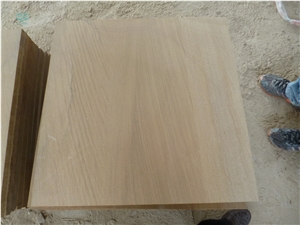
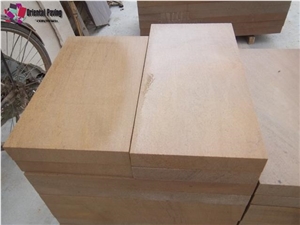
Silk Road Sandstone is a buff, beige color clastic sedimentary rock composed mainly of sand-sized minerals or rock grains.
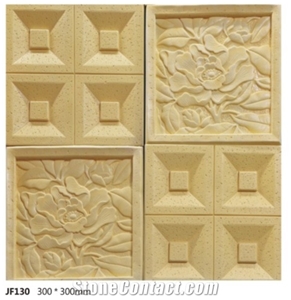
Recommended Uses: Pavers, veneer, stair blocks, quoins, coping/caps, curbs, sills/lintels, carved object, columns, sinks/tubs, slabs, cobblestones.
Surface Finish: Honed, Aged, Sawn Cut, Sanded, Rockfaced, Sandblasted, Bushhammered, Tumbled, Weatheredge.
C99 Modulus of Rupture (Dry)
759 psi
5.23 MPa
C241 Abrasion Resistance
1.0 Ha
FAQ
Chinas Silk Road Sandstone is a type of natural stone that is known for its beauty and durability. While it can be used for exterior applications in cold climates, there are a few factors to consider:
1. Frost resistance: Sandstone is generally more susceptible to frost damage compared to some other stone types like granite or slate. However, Chinas Silk Road Sandstone is known to have good frost resistance properties, which make it suitable for colder climates.
2. Water absorption: Sandstone is a porous material, and its water absorption rate can vary. It is important to select a type of Silk Road Sandstone that has a low water absorption rate, as higher absorption can lead to cracks and damage during freeze-thaw cycles commonly experienced in cold climates.
3. Sealing: To enhance its resistance to water penetration and weathering, applying a high-quality sealer on Chinas Silk Road Sandstone is recommended, particularly for exterior applications in cold climates. This will help protect the stone from frost damage and extending its lifespan.
4. Maintenance: Like any other natural stone, regular maintenance is necessary to keep Chinas Silk Road Sandstone exterior surfaces in good condition in cold climates. This may include periodic cleaning, reapplication of sealers, and addressing any potential cracks or damage that may occur.
In summary, Chinas Silk Road Sandstone can be used in exterior applications in cold climates, but it is crucial to select a type with good frost resistance and low water absorption. Proper sealing and maintenance will also help ensure its long-term durability in these conditions.
Can China's Silk Road Sandstone be used in a kitchen?
Yes, Chinas Silk Road Sandstone can be used in a kitchen, but it is important to note that sandstone is a porous material. It can absorb liquids and is prone to staining if not properly sealed and maintained.
In a kitchen setting, where spills and food stains are common, it is essential to seal the sandstone properly to protect it from damage. The sealing process creates a protective barrier that prevents liquids from penetrating the stone, making it easier to clean and maintain.
However, it is recommended to exercise caution when using sandstone in high-traffic areas like kitchen countertops. While sandstone is durable, it is not as hard as granite or quartz, which are commonly used for kitchen countertops. Sandstone can be more prone to scratches and may wear down over time with heavy use.
If you decide to use Chinas Silk Road Sandstone in your kitchen, it is advisable to consult with a professional stone fabricator or installer who can provide guidance on proper sealing, maintenance, and any other considerations specific to your kitchen layout and needs.
What is the average water absorption of China's Silk Road Sandstone?
The average water absorption of Chinas Silk Road Sandstone can vary depending on the specific type and grade of the sandstone, as well as its porosity. However, in general, sandstone tends to have a relatively high water absorption rate compared to other stone types. On average, Chinas Silk Road Sandstone can have a water absorption rate ranging from 2% to 5%.
How thick is China's Silk Road Sandstone slabs?
Chinas Silk Road Sandstone slabs vary in thickness depending on the specific quarry and the requirements of the buyer. Generally, they are available in thicknesses ranging from 2 centimeters (0.79 inches) to 5 centimeters (1.97 inches) or sometimes even thicker. The specific thickness can be customized according to the projects needs and the buyers preferences.
Can China's Silk Road Sandstone be used in landscaping?
Yes, Chinas Silk Road Sandstone can be used in landscaping. It is a natural stone with unique colors and textures that can enhance the aesthetic appeal of outdoor spaces. It is often used for constructing pathways, patios, garden walls, and other landscaping features. The durable nature of sandstone also makes it suitable for handling outdoor conditions and foot traffic. Additionally, its natural weathering properties give it a timeless and rustic look, which further adds to its attractiveness in landscaping projects.
Can China's Silk Road Sandstone be used outdoors?
Yes, Chinas Silk Road Sandstone can be used outdoors. It is a type of natural stone that is known for its durability and weather resistance, making it suitable for various outdoor applications. Silk Road Sandstone can be used for outdoor flooring, paving, cladding, garden paths, landscaping, and other hardscape projects. Its natural beauty, unique patterns, and warm colors enhance the outdoor aesthetics and can withstand different weather conditions. However, proper installation and sealing may be required to ensure its longevity and maintain its appearance over time.
Are there color variations of China's Silk Road Sandstone?
Yes, there are color variations of Chinas Silk Road Sandstone. Silk Road Sandstone is a natural stone that is known for its warm, earthy colors and unique veining patterns. Its predominant colors range from shades of beige, yellow, and brown to rusty reds and terracotta hues. However, within these color ranges, there can be variations and combinations of different tones and shades, creating a diverse array of options for design and construction purposes.
What is the coefficient of friction of Pickled China's Silk Road Sandstone tiles?
I do not have access to specific information on the coefficient of friction for Pickled Chinas Silk Road Sandstone tiles. It is recommended to contact the manufacturer or supplier of the tiles to obtain this information.
Is China's Silk Road Sandstone an expensive stone?
I do not have access to real-time pricing and market conditions. However, Chinas Silk Road Sandstone is generally considered mid-range in terms of cost. Its price can vary depending on factors such as quality, size, color, and availability. It is always best to research and obtain multiple quotes from reputable suppliers before making a purchasing decision.


7YR