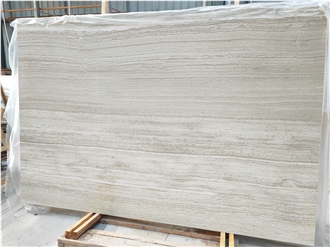
Chinas Sunset Wood Marble is a beautiful and unique natural stone that is commonly used for interior applications such as flooring, wall cladding, and countertops. However, for exterior applications in very rainy climates, it may not be the most suitable choice.
Marble, including Sunset Wood Marble, is a porous stone that can absorb water. In very rainy climates, where the stone is constantly exposed to moisture and precipitation, this can cause several issues:
1. Staining and Discoloration: The inherent porosity of marble makes it prone to staining and discoloration when constantly exposed to moisture. Rainwater, especially if it contains impurities or organic matter, can seep into the stone and cause unsightly stains or affect its natural color.
2. Cracking and Damage: Frequent exposure to water, especially in freezing conditions, can lead to the expansion and contraction of the stone. This can weaken the marble, potentially causing cracks, chipping, or other forms of damage.
3. Algae and Moss Growth: In very rainy and humid climates, marble surfaces are more susceptible to the growth of algae, moss, and other organic matter. This not only affects the aesthetics but can also lead to a slippery surface, posing a safety hazard.
To ensure the longevity and aesthetics of your exterior application in a very rainy climate, it is generally recommended to choose a more suitable material for outdoor use, such as granite or certain types of engineered stone specifically designed for exterior applications. These materials are less porous, more resistant to moisture, and generally more durable when exposed to the elements.
However, if you still wish to use Sunset Wood Marble for an exterior application in a very rainy climate, it is essential to apply a high-quality penetrating sealer specifically designed for marble. This will help reduce the stones porosity and make it more resistant to water absorption. Regular maintenance, including sealing and cleaning, will also be crucial to ensure the stones longevity and reduce potential issues caused by moisture exposure.


 China

 14YR




 Spain

 Turkey

 Italy

 Oman

 Egypt

 Iran

 Myanmar


 France