Post Your Needs

Trani Cocciolato Limestone

Beige - Limestone

Italy

About

Item Details

Material Type:
Limestone
Origin:
Italy (Poggio Imperiale, Apricena, Bari, Provincia di Foggia, Puglia)
Primary Color(s):
Beige
Recommended Usage:
Kitchen and bathroom countertops, wash basins, building stone, ornamental stone, stairs, interior, exterior wall and floor applications, mosaic, waterjet pattern, wall panels, table tops, balustrades, columns, wall and pool copings, pool pavers, fireplaces
Additional Names:
Cocciolato Limestone, Cocciolato di Trani Mramor, Pietra Trani Cocciolato Limestone, Perlato Cocciolato Limestone, Trani Cocciolato, Trani Cocciolato Limestone
Finished Surface:
Polished,Bush Hammered,Tumbled,Brushed,Honed,Split,Machine Cut,Natural Surface,Sandblasted,Combed,Leathered,Water Jet,Filled,Chiseled,Pickling

Testing

Water Absorption:
0.39 By weight-%
Density:
2672 - 2720 kg/m³
Flexural Strength:
11.38 - 12.56 MPa
Compressive Strength:
147.42 - 152.06 MPa
Stone texture:
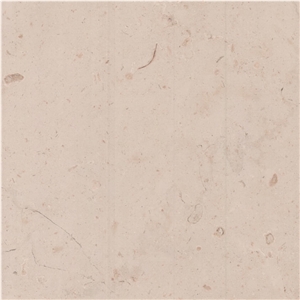
a renowned limestone, not a marble in the strict geological sense, quarried in the area near Trani, Puglia, Italy. It is highly valued for its warm, rustic appearance, which includes fossil inclusions that give it its distinctive "cocciolato" (chipped/fragmented) name. Color and Texture: Trani Cocciolato has a base color that ranges from light beige to ivory, often featuring pinkish or brown hues. The defining characteristic is the numerous inclusions (fragments), often fossil fragments, which create a lively, non-uniform texture.

Description

Trani Cocciolato Limestone is a prestigious natural stone quarried near Trani in the Puglia region of Italy. Known for its rustic charm and warm appearance, this limestone features a unique texture due to fossil inclusions, which give it the name "cocciolato," meaning chipped or fragmented. This stone differs from marble in its geological composition and characteristics but shares a similar aesthetic appeal.

Color and Texture

  • Base Color: Ranges from light beige to ivory.
  • Hues: Often features pinkish or brown tones.
  • Texture: Non-uniform, lively texture with numerous inclusions, often fossil fragments.

Physical and Mechanical Properties

  • Water Absorption: 0.39% by weight.
  • Density: 2672 - 2720 kg/m³.
  • Flexural Strength: 11.38 - 12.56 MPa.
  • Compressive Strength: 147.42 - 152.06 MPa.
  • Hardness: Often linked to the Mohs scale, typical for limestones, providing moderate hardness suitable for indoor use.
  • Porosity: Generally low, which aids durability and maintenance.
  • Slip Resistance: Varies depending on surface finish; rough finishes tend to be more slip-resistant than polished ones.

Chemical and Mineral Compositions

  • Calcium Carbonate (CaCO3): Predominantly high in limestone, usually around 95% or higher.
  • Magnesium Oxide (MgO): Typically less than 5%.
  • Other Mineral Inclusions: Clay, silt, and fossils which contribute to unique colors and textures.

Usage

  • Applications: Commonly used for interior and exterior floor tiles, wall cladding, countertops, staircases, and decorative stoneworks.
  • Suitability: Suitable for both residential and commercial settings, particularly where a natural and rustic look is desired.

Maintenance

  • Cleaning: Regular cleaning with neutral pH stone cleaners.
  • Sealing: Requires sealing to protect against stains and enhance the natural color and texture.
  • Care Tips: Avoid acidic or abrasive cleaners to maintain surface integrity.

Surface Finish Options

  • Polished: High-gloss finish that enhances color but can reduce slip resistance.
  • Honed: Smooth, matte finish that maintains color with moderate slip resistance.
  • Brushed: Textured surface that provides a rustic look with increased slip resistance.
  • Sandblasted: Rough, non-glossy finish, ideal for outdoor applications with high slip resistance.

Trani Cocciolato Limestone offers a versatile option for a range of architectural and design projects. Its combination of physical strength and distinctive aesthetics makes it a favored choice among designers and builders aiming to create timeless spaces. Regular maintenance ensures its beauty remains intact for years.

AVERAGE SPECIFICATIONS

  • Specific Gravity: 2.72 g/cm³
  • Bulk Density: 2.66 g/cm³
  • Water Absorption (by weight): 0.39%
  • Linear Thermal Expansion Coefficient: 3.79 × 10⁻³ mm/m·°C
  • Compressive Strength (natural state): 1,475 kg/cm²
  • Compressive Strength (water-saturated): 1,430 kg/cm²
  • Compressive Strength after 20 freeze–thaw cycles: 1,350 kg/cm²
  • Elastic Modulus (compression): 353,000 kg/cm²
  • Wear (Abrasion) Resistance: 2.57 mm/km
  • Impact Resistance: 15 kg·m
  • Degree of Compactness: 0.977
  • Porosity: 0.023
  • Chemical Composition: approx. 98% CaCO₃

FAQ

Can Italy's Trani Cocciolato Marble be used in landscaping?

Yes, Italys Trani Cocciolato Marble can be used in landscaping. Its natural beauty and durability make it suitable for various landscaping applications, such as patios, garden pathways, outdoor steps, retaining walls, and decorative elements like water features or sculptures. Additionally, Trani Cocciolato Marbles light color and smooth texture can provide an elegant and sophisticated look to any landscape design.

Can Italy's Trani Cocciolato Marble be used in a kitchen?

Yes, Italys Trani Cocciolato Marble can be used in a kitchen. Marble is a popular choice for kitchen countertops and backsplashes due to its elegant and timeless appearance. Trani Cocciolato Marble, specifically, is known for its beautiful veining and light color, which can add a luxurious touch to any kitchen. However, it is important to note that marble is a softer and more porous stone compared to granite or quartz, so it requires proper sealing and regular maintenance to protect it from staining or etching caused by acidic substances.

Can Italy's Trani Cocciolato Marble be used exterior applications in very rainy climates?

Trani Cocciolato Marble is a type of marble that is often used in interior applications such as flooring, countertops, and wall cladding. While it is a durable and sturdy material, it may not be the ideal choice for exterior applications in very rainy climates. Marble is a porous stone and absorbs water easily, which can cause issues in areas with frequent rainfall. Excessive moisture can lead to stains, water damage, and even the deterioration of the marble over time. In very rainy climates, the constant exposure to moisture, humidity, and temperature changes can accelerate these issues. If you are considering using Trani Cocciolato Marble for exterior applications in a rainy climate, it is essential to protect the stone adequately. Applying a high-quality sealant specifically designed for marble can help reduce water absorption and protect the material from moisture-related problems. However, it is worth noting that even with proper sealing, long-term exposure to excessive water may still result in damage. Alternatively, you may want to consider using other materials that are more suitable for exterior applications in very rainy climates, such as granite, porcelain, or certain types of natural stones known for their water resistance. These materials have a higher tolerance to moisture and are less prone to damage in wet environments. In any case, consulting with a professional designer or architect who has experience with materials suitable for your specific climate conditions is recommended to ensure that you choose the most appropriate option for your exterior application.

How thick is Italy's Trani Cocciolato Marble slabs?

The thickness of Italys Trani Cocciolato Marble slabs can vary depending on the specific order and client requirements. However, a common thickness range for marble slabs in general is typically between 2 cm (0.79 inches) and 3 cm (1.18 inches).

What is the coefficient of friction of Pickled Italy's Trani Cocciolato Marble tiles?

The coefficient of friction for Pickled Italys Trani Cocciolato Marble tiles may vary depending on the specific finish and surface treatment of the tiles. To obtain accurate information on the coefficient of friction for Trani Cocciolato Marble tiles, it is recommended to contact Pickled Italy directly for the most up-to-date specifications.

Can Italy's Trani Cocciolato Marble be used outdoors?

Trani Cocciolato Marble is primarily used for interior applications such as flooring, wall cladding, countertops, and decorative elements. While it is a durable and high-quality material, it is not recommended for outdoor use. Outdoor environments can expose marble to harsh weather conditions, UV radiation, and contaminants that can cause damage and deterioration over time. Additionally, prolonged exposure to sunlight can fade and discolor the marble. Therefore, it is best to utilize Trani Cocciolato Marble solely for indoor projects.

Are there color variations of Italy's Trani Cocciolato Marble?

Trani Cocciolato Marble, also known as Trani Fossil Marble or Trani Gold Marble, is a type of Italian marble that is characterized by its warm beige or gold color with fossilized imprints. While it primarily appears in these warm tones, there can be some natural variations in color within the stone. These variations are due to the presence of different mineral deposits and the specific geological formations of the quarry where the marble is sourced. However, it is important to note that these variations are generally minimal and subtle, maintaining the overall warm color palette of Trani Cocciolato Marble.

Is Italy's Trani Cocciolato Marble an expensive stone?

I do not have access to current market prices and fluctuations of natural stones. However, in general, Trani Cocciolato marble is considered a high-quality marble and can be more expensive than some other types of marble. The price can also vary depending on factors such as supply and demand, color, veining, and thickness of the slab. It is always recommended to consult with a licensed stone supplier to get the most accurate pricing information.

Products & Prices

Hot Beige Limestone

New Limestone

Post Your Request

The request includes:
  1. surface finished, size
  2. quantity required