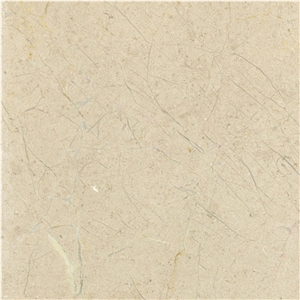
Trani Perlatino Limestone

About
Item Details
- Material Type:
- Marble
- Origin:
Italy (Trani, Provincia di Barletta-Andria-Trani, Bari, Puglia) - Primary Color(s):
- Beige
- Recommended Usage:
- Kitchen and bathroom countertops, wash basins, building stone, ornamental stone, stairs, interior, exterior wall and floor applications, mosaic, waterjet pattern, wall panels, table tops, balustrades, columns, wall and pool copings, pool pavers, sculptures, fireplaces
- Additional Names:
- Perlatino Marble, Perlatino Beige Marble, Perlatino Limestone, Perlatino di Puglia Marble, Pietra di Trani Perlatino, Pietra Trani Perlatino, Trani Perlatino
- Finished Surface:
- Polished,Bush Hammered,Tumbled,Brushed,Honed,Split,Machine Cut,Natural Surface,Sandblasted,Combed,Leathered,Water Jet,Filled,Chiseled,Pickling
Testing
- Water Absorption:
- 0.41 % by weight
- Density:
- 2672 Kg/m³
- Flexural Strength:
- 170 kg/cm2
- Compressive Strength:
- 1330 kg/cm2
- Stone texture:
- a renowned natural limestone (often marketed as "Trani Perlatino marble") extracted in the Puglia region of southern Italy. It is known for its warm, delicate hues, ranging from ivory beige to amber shades, enriched with subtle brown or reddish veins and, sometimes, fossil remains. compact and durable stone, known for its resistance to frost and wear, making it suitable for a wide range of applications
Description
Trani Perlatino Limestone is a distinguished natural stone, commonly referred to as "Trani Perlatino marble," primarily quarried in the Puglia region of southern Italy. This limestone is celebrated for its appealing aesthetic attributes and robust physical properties, making it a popular choice for various applications in construction and design.
Physical Appearance:
- Color: Warm hues from ivory beige to amber shades.
- Veining: Subtle brown or reddish veins.
- Features: May contain fossil remains.
Physical and Mechanical Properties:
- Water Absorption: 0.41% by weight
- Density: 2672 Kg/m³
- Flexural Strength: 170 kg/cm²
- Compressive Strength: 1330 kg/cm²
- Hardness: Generally exhibits good hardness, typical for limestone, ensuring durability.
- Porosity: Low porosity, contributing to its resistance to water and frost.
- Slip Resistance: Moderate to high, depending on the surface finish.
Chemical and Mineral Composition (% by weight):
- Calcium Carbonate (CaCO3): Predominantly makes up the stone.
- Magnesium Carbonate (MgCO3): Present in smaller amounts.
- Silica (SiO2): Minor component contributing to the overall durability.
- Iron Oxides: Trace amounts can affect the coloration.
Applications:
- Interior Finishes: Flooring, wall cladding, countertops, fireplaces.
- Exterior Uses: Facades, paving, and landscaping elements.
- Architectural Features: Columns, staircases, and ornamental work.
Maintenance:
- Cleaning: Regular cleaning with pH-neutral cleaners to avoid acidic or abrasive substances that can damage the surface.
- Sealing: Periodic sealing to enhance resistance to stains and moisture.
- Repairs: Professional repair services should be employed for any significant chips or damage.
Common Surface Finish Options:
- Polished: Offers a glossy surface that highlights the stone’s color and veining.
- Honed: Provides a smooth, matte finish for a more understated look.
- Brushed: Adds texture while maintaining some shine.
- Bush-Hammered: Offers a rough texture, enhancing slip resistance for outdoor applications.
Trani Perlatino Limestone, with its combination of aesthetic appeal and robust physical characteristics, remains a sought-after choice for both classical and contemporary architectural and design projects, providing versatility and enduring beauty.
FAQ
Trani Perlatino Marble is known for its durability and resistance to weathering, making it suitable for exterior applications. However, when it comes to very dusty climates, certain factors should be considered.
Marble is a natural stone and, like any other stone, it requires maintenance to keep its appearance intact. In dusty environments, the accumulation of dust and dirt could affect the appearance of the marble over time. Regular cleaning will be necessary to prevent the buildup of dust and maintain its aesthetics.
Additionally, the use of a proper sealant can help protect the marble from dust and dirt penetration. A high-quality sealant can create a protective barrier that prevents the stone from absorbing particles from the environment.
It is also important to consider regular maintenance and cleaning schedules. In a very dusty climate, more frequent cleaning might be required to prevent the accumulation of dust and maintain the marbles appearance.
Overall, while Trani Perlatino Marble can be used in exterior applications in very dusty climates, proper maintenance and cleaning will be essential to preserve its beauty and longevity.
Can Italy's Trani Perlatino Marble be used in a kitchen?
Yes, Italys Trani Perlatino Marble can be used in a kitchen. Marble is often used in kitchen countertops, backsplashes, and even flooring due to its durability, heat resistance, and natural beauty. However, it is important to note that marble is a porous stone and can be prone to staining and etching from acidic substances. Regular sealing and proper maintenance are recommended to maintain its appearance and protect the surface from potential damage.
Can Italy's Trani Perlatino Marble be used in floor coverings?
Yes, Italys Trani Perlatino Marble can be used in floor coverings. It is a durable and attractive marble variety that is commonly used for flooring applications, both for residential and commercial spaces. Its light color and smooth texture make it suitable for various interior design styles. However, its always recommended to consult with a professional or a specialized supplier to ensure proper installation and maintenance of the marble flooring.
How thick is Italy's Trani Perlatino Marble slabs?
The thickness of Italys Trani Perlatino Marble slabs can vary depending on the specific supplier and customer requirements. However, the most common thickness for marble slabs is typically around 2 centimeters (0.78 inches) or 3 centimeters (1.18 inches).
What grade is Italy's Trani Perlatino Marble?
Italys Trani Perlatino Marble is typically graded as Class A.
Are there color variations of Italy's Trani Perlatino Marble?
Yes, there are few color variations of Italys Trani Perlatino Marble, which vary from light beige to cream color with some variations of light brown and grey veins. The exact color variation may depend on the quarry and the specific block of marble.
What is the coefficient of friction of Polished Italy's Trani Perlatino Marble tiles?
I do not have the ability to search or access the coefficient of friction of a specific product. It is recommended that you consult the manufacturer or supplier of the product to obtain this information.
Is Italy's Trani Perlatino Marble an expensive stone?
I do not have access to real-time market prices or currency exchange rates. However, Trani Perlatino Marble is generally considered a high-end marble and can be more expensive than other types of marble. The price also depends on factors such as the quality of the stone, the size and thickness of the slabs, and the location of the supplier. It is best to check with a local supplier or contractor for the current market price.