Post Your Needs

Vratsa Crema Orientale Limestone

Beige - Limestone

Bulgaria

About

Item Details

Material Type:
Limestone
Origin:
Bulgaria (Vratsa)
Primary Color(s):
Beige
Recommended Usage:
Kitchen and bathroom countertops, wash basins, building stone, ornamental stone, stairs, interior, exterior wall and floor applications, mosaic, waterjet pattern, wall panels, table tops, balustrades, columns, wall and pool copings, pool pavers, sculptures, fireplaces, window sills
Additional Names:
Vratza Limestone, Wraza Futura Limestone, Vratza Tiger Skin Limestone, Vratza Dionyssos Limestone, Dionysos Vratza Limestone, Wraza Extra Vanilla Limestone, Vratsa Doro Limestone, Limestone Vratsa, Limestone Vraza, Uracva Limestone, Vratza Bulgaria Limestone, Vratza Kalkstein, Vratsa Limestone, Vratza Muschelkalk, Vratza Stone, Vraza Coquina Limestone, Vraza Marmor, Wratza Limestone, Vratsa Crema Orientale Limestone, Vratsa Crema Orientale
Finished Surface:
Polished,Bush Hammered,Tumbled,Brushed,Honed,Split,Machine Cut,Natural Surface,Sandblasted,Combed,Leathered,Water Jet,Filled,Chiseled,Pickling

Testing

Water Absorption:
3.78 By Weight %
Density:
2331 Kg/m3
Flexural Strength:
10.8 MPa
Compressive Strength:
103.5 - 116.7 MPa
Stone texture:
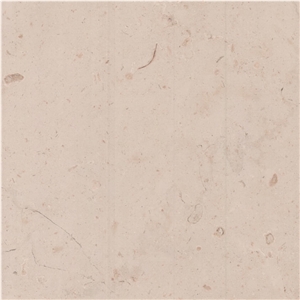
a high-quality natural stone with a warm, soft beige to light cream base color and a fine, uniform texture. Its surface is smooth and polished, offering an elegant and refined appearance, while subtle, delicate veins and occasional fossil traces add natural depth and gentle visual interest without disturbing the stone’s overall uniformity. The limestone’s neutral, harmonious tones make it versatile for a wide range of interior and exterior applications, including flooring, wall cladding, staircases, and decorative features, providing a timeless, sophisticated aesthetic with the classic charm of Bulgarian limestone.

Description

Appearance:

  • Color: Warm, soft beige to light cream.
  • Texture: Fine, uniform, with a smooth and polished surface.
  • Veining: Subtle, delicate veins with occasional fossil traces, adding depth and interest without compromising uniformity.
  • Origin: Quarried in Vratsa, Bulgaria.

Physical and Mechanical Properties

  • Water Absorption: 3.78% by weight
  • Density: 2331 kg/m³
  • Flexural Strength: 10.8 MPa
  • Compressive Strength: Ranges between 103.5 and 116.7 MPa
  • Hardness: Suitable for indoor applications; specific hardness scores are akin to typical limestone properties.
  • Porosity: Moderately porous, common for limestone, which affects its durability and absorption characteristics.
  • Slip Resistance: Generally slip-resistant, but depends on the finish applied; can be enhanced with special treatments.

Chemical and Mineral Composition

  • Calcium Carbonate (CaCO3): Typically over 90% in limestone, providing its characteristic properties.
  • Magnesium Carbonate (MgCO3): Present in minor quantities.
  • Silica (SiO2): Trace amounts.
  • Clay Minerals & Dolomite: May be present in smaller quantities depending on the specific quarry location.

Usage

  • Interior Applications: Ideal for flooring, wall cladding, countertops, and staircases.
  • Exterior Applications: Used in façades, garden paving, and outdoor decorative features (weather resistance should be considered).
  • Decorative Features: Includes columns, fireplaces, and other architectural elements that benefit from its uniform appearance.

Maintenance

  • Cleaning: Requires regular cleaning with pH-neutral cleaners to prevent etching and staining.
  • Sealing: Recommended sealing upon installation and periodically to enhance stain resistance and longevity.
  • Repairs: Chips and scratches can be addressed with professional restoration services, keeping its refinement intact.

Cutting Sizes and Surface Finishes

Common Cutting Sizes:

  • Standard tile sizes: 30x30 cm, 30x60 cm, 60x60 cm
  • Custom sizes available based on project requirements

Available Surface Finishes:

  • Polished: Provides a glossy, reflective surface enhancing color and veining.
  • Honed: Offers a matte finish that is smooth but non-reflective, suitable for flooring to counteract slip risks.
  • Brushed: Gives a more rustic, textured finish ideal for exterior or more informal settings.
  • Tumbled: Produces an aged appearance, perfect for traditional designs.

Summary

Vratsa Crema Orientale Limestone is highly regarded for its elegant aesthetics and functional versatility, making it a popular choice for both residential and commercial projects. Its ability to harmonize with various design themes, coupled with its resilience, provides a beautiful and sustainable natural stone solution.

FAQ

Is Vratsa Crema Orientale Limestone with a glossy polished surface good for office flooring?

Vratsa Crema Orientale Limestone can be a good choice for office flooring, but there are several factors to consider: 1. **Aesthetic Appeal**: This type of limestone offers a sophisticated and elegant look, which can enhance the overall appearance of an office space. Its neutral tones can easily complement various interior design styles. 2. **Durability**: Limestone is relatively durable, but it is softer compared to other natural stones like granite or marble. For high-traffic office areas, you might need to consider the potential for wear and tear over time. 3. **Maintenance**: A polished limestone surface can be relatively easy to clean but may require regular sealing to maintain its appearance and protect it from stains and scratches. 4. **Slip Resistance**: A glossy polished surface can be slippery, especially when wet. This is an important safety consideration for an office environment. Adding rugs or mats in high-traffic areas or considering a honed (matte) finish for better slip resistance might be necessary. 5. **Cost**: Natural stone flooring can be more expensive compared to other flooring materials. Youll need to weigh the initial investment against the long-term benefits and aesthetic value it adds to the office. 6. **Acoustics**: Stone flooring can contribute to more noise in a busy office due to its hard surface. Consider incorporating rugs, carpets, or acoustic panels to mitigate sound. Ultimately, while Vratsa Crema Orientale Limestone can be a beautiful addition to office flooring, ensure that you evaluate these factors carefully and consider the specific needs of your office environment.

Is Vratsa Crema Orientale Limestone a suitable choice for gravestones?

Vratsa Crema Orientale Limestone can be a suitable choice for gravestones, but there are several factors to consider before making a decision: 1. **Aesthetic Appeal**: Vratsa Crema Orientale is known for its creamy beige color with subtle veining, which can provide a serene and beautiful appearance for a gravestone. 2. **Durability**: Limestone is generally less durable than granite or marble, and can be susceptible to weathering, especially in harsh climates. The durability of limestone can vary, so its important to check the specific composition and quality of the Vratsa Crema Orientale being considered. 3. **Porosity**: Limestone is a porous material, which means it can absorb water and may be more prone to staining or erosion over time, especially in areas with high humidity or acid rain. 4. **Maintenance**: Limestone gravestones may require more maintenance to keep them clean and free of moss or lichen, as these can grow more easily on porous surfaces. 5. **Cost**: Limestone is often more affordable than granite or marble, which might be a consideration depending on your budget. 6. **Location and Climate**: Consider the local climate and environmental conditions. In regions with freeze-thaw cycles, limestone gravestones might be less ideal as moisture can enter the stone, freeze, and cause damage. If aesthetics and budget are your main considerations, and you are aware of the maintenance requirements and possible limitations regarding durability, then Vratsa Crema Orientale Limestone can be a suitable choice for a gravestone. Always consult with a stone professional or mason who can provide guidance based on your specific situation.

Will a hot pot leave a mark on a Vratsa Crema Orientale Limestone kitchen countertop?

Vratsa Crema Orientale Limestone is a type of natural stone that is susceptible to etching, scratching, and staining. Placing a hot pot directly on the surface may cause thermal shock, potentially leading to cracks or damage. Additionally, limestone can be sensitive to heat, which might result in discoloration or marks. To protect your countertop, its advisable to use trivets or heat-resistant pads when placing hot items on it.

If lemonade spills on a Vratsa Crema Orientale Limestone kitchen countertop, will it damage the surface?

Vratsa Crema Orientale Limestone is a natural stone that can be affected by acidic substances, such as lemon juice found in lemonade. The acid can etch the surface, leaving dull spots or marks where the contact occurs. To minimize potential damage, its important to clean up spills immediately using a soft cloth and water. Afterward, gently dry the area. For additional protection, ensure that the countertop is properly sealed, as a good sealant can help resist staining and etching to some extent. However, even sealed surfaces should be maintained carefully to preserve their appearance over time.

Can I use bleach when cleaning a Vratsa Crema Orientale Limestone kitchen countertop?

Using bleach on Vratsa Crema Orientale Limestone or any other natural stone surface is not recommended. Limestone is a porous material and can be easily damaged by harsh chemicals like bleach. These substances can lead to discoloration, etching, or degradation of the stones surface. Instead, use a pH-neutral cleaner specifically designed for natural stone surfaces. You can also use a mixture of warm water and a mild dish soap. Make sure to wipe the surface with a soft cloth or sponge and rinse thoroughly with clean water to avoid residue buildup. Regularly sealing the limestone can also help protect it from stains and etching.

If I cut meat directly on my Vratsa Crema Orientale Limestone kitchen countertop, will it damage the surface?

Cutting meat directly on your Vratsa Crema Orientale Limestone countertop is not recommended. Limestone is a relatively soft and porous natural stone, which makes it susceptible to scratching and staining. Using sharp objects like knives directly on the surface can cause scratches and potentially damage the finish. Furthermore, the porous nature of limestone can allow juices from the meat to seep into the stone, potentially leading to stains or bacterial growth. To protect your countertop, its best to use a cutting board whenever youre preparing food. This will reduce the risk of scratches and stains, helping to maintain the appearance and integrity of your limestone surface. Regular sealing and maintenance of the countertop can also help in protecting it from damage.

Can Bulgaria's Vratsa Crema Orientale Limestone be used in wall coverings?

Yes, Bulgarias Vratsa Crema Orientale Limestone can be used in wall coverings. Limestone is a popular choice for wall coverings due to its natural beauty, durability, and versatility. The Vratsa Crema Orientale Limestone specifically is known for its warm cream color and subtle veining, which can add an elegant and timeless look to any wall. It is commonly used in both interior and exterior applications, such as walls, cladding, facades, and decorative elements.

What is the coefficient of friction of Chiseled Bulgaria's Vratsa Crema Orientale Limestone tiles?

The coefficient of friction of Chiseled Bulgarias Vratsa Crema Orientale Limestone tiles may vary depending on several factors such as surface finish, texture, and the presence of any coatings or sealants. Typically, natural limestone tiles have a coefficient of friction ranging from 0.5 to 1.0, where higher values indicate a higher degree of slip resistance. It is recommended to contact the supplier or manufacturer of the specific tiles for accurate information on the coefficient of friction.

Can Bulgaria's Vratsa Crema Orientale Limestone be used exterior applications in very dusty climates?

The Vratsa Crema Orientale Limestone is a durable and high-quality natural stone, commonly used for interior and exterior applications. However, when it comes to using it in very dusty climates, there are a few factors to consider. 1. Porosity: Natural stones like limestone can have varying degrees of porosity, meaning they can absorb moisture or dust particles from the environment. If the Vratsa Crema Orientale Limestone is highly porous, it may attract and hold onto dust, making it difficult to clean and maintain. 2. Finishes: The limestone can be finished in different ways, such as polished, honed, or brushed. Polished surfaces are smoother and may be easier to clean, but they can also show dust and scratches more easily. Honed or brushed finishes have a slightly rougher texture, which may make it harder for dust to settle and become visible. 3. Maintenance: Regular maintenance is crucial in very dusty climates. Depending on the porosity and finish of the limestone, it may require more frequent cleaning to remove accumulated dust and prevent it from staining or deteriorating. Sealing the stone surface can also help protect it from dust penetration. It is advisable to consult with a professional stone supplier or installer who specializes in the Vratsa Crema Orientale Limestone to determine its suitability in your specific dusty climate. They can provide guidance on the best finish, sealing, and maintenance practices to ensure the limestone performs well in exterior applications.

Products & Prices

View More

Hot Beige Limestone

New Limestone

Post Your Request

The request includes:
  1. surface finished, size
  2. quantity required