


 United Kingdom
Can United Kingdom's Wattscliffe Sandstone be used exterior applications in cold climates?
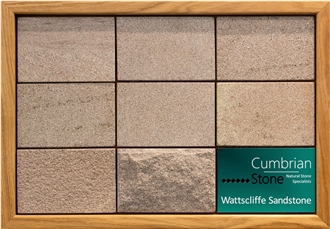
Wattscliffe Sandstone is a type of sandstone that is predominantly quarried in the United Kingdom. While sandstone is generally a durable and versatile natural stone, its suitability for exterior use in cold climates depends on a few factors:
1. Frost resistance: Sandstone, including Wattscliffe, can be susceptible to damage in cold climates due to freeze-thaw cycles. Water can penetrate the stone, freeze, and cause expansion and cracking. Therefore, it is crucial to check the specific frost resistance rating of the Wattscliffe Sandstone before using it in exterior applications in cold climates.
2. Porosity: The porosity of sandstone determines how much water it can absorb. Highly porous sandstones can absorb water easily, making them more prone to damage in freezing conditions. If Wattscliffe Sandstone is highly porous, it may not be suitable for exterior use in cold climates.
3. Surface treatment: Applying a surface treatment, such as a water repellent sealant, can help improve the frost resistance and durability of sandstone. If Wattscliffe Sandstone is adequately treated and sealed, it may be more suitable for exterior applications in cold climates.
It is recommended to consult with a local stone supplier, contractor, or architect who has experience working with Wattscliffe Sandstone in cold climates. They can provide specific guidance regarding its suitability, suggest appropriate treatment methods, and offer alternative options if necessary.




 Italy


 India

 Spain


