While Irans White Crystal Rose Marble is a high-quality and durable natural stone, its suitability for exterior applications in very rainy climates can be determined by several factors:
1. Porosity: Marble is a relatively porous stone, meaning it can absorb water if not properly sealed or maintained. In very rainy climates, excessive exposure to water and moisture can potentially lead to staining, fading, or even structural damage over time.
2. Freezing temperatures: If your rainy climate also experiences freezing temperatures, the freeze-thaw cycle can be detrimental to marble. Water absorbed by the stone can freeze, expand, and cause cracking or spalling.
3. Sealing and maintenance: To enhance its resistance to water and moisture, the marble should be properly sealed with a high-quality impregnating sealer, especially if used externally. Regular sealing and maintenance will help protect the stones surface from water damage.
4. Alternative stone options: If youre concerned about the marbles performance in a very rainy climate, you may want to consider alternative stone options that are better suited for exterior applications, such as granite or quartzite. These stones tend to be more durable and less porous than marble.
In summary, while Irans White Crystal Rose Marble can be used in exterior applications in rainy climates, precautions including proper sealing and regular maintenance are essential to ensure its longevity and appearance.


 Iran

 7YR

 China


 France

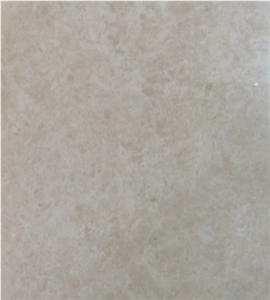

 Spain

 Turkey

 Italy

 Oman
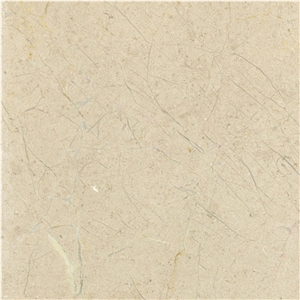

 Egypt


 Myanmar


