


 Australia
Can Australia's Yorke Peninsula Limestone be used exterior applications in cold climates?
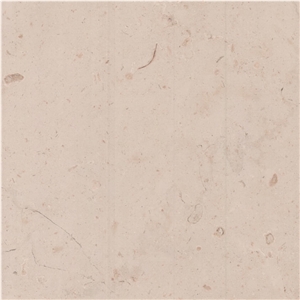
Yorke Peninsula Limestone is a type of limestone quarried from the Yorke Peninsula in South Australia. Limestone is commonly used in exterior applications due to its durability and timeless aesthetic. However, when considering its suitability for use in cold climates, there are a few factors to consider:
1. Freeze-thaw cycles: In cold climates, the repeated freezing and thawing of water can cause damage to some types of limestone. Water can penetrate the stones pores, freeze, and expand, leading to cracks and deterioration over time. However, the porosity and density of Yorke Peninsula Limestone should be considered to determine its susceptibility to these cycles.
2. Thermal conductivity: Limestone has good thermal conductivity, meaning it can absorb and retain heat. In colder climates, this can be beneficial as it can help to retain warmth and reduce heat loss from the building. However, it can also make the stone more prone to thermal stress and potential damage in extreme temperature fluctuations.
3. Maintenance: Proper maintenance, such as regular sealing and cleaning, can help protect the limestone from moisture penetration and potential damage caused by cold weather conditions.
It is important to consult with a local stone supplier, architect, or builder who has experience working with Yorke Peninsula Limestone or similar types of limestone in cold climates. They can provide specific recommendations based on the stones properties and the particular climate conditions of the area where it will be used.


 Saudi Arabia

 Germany

 Spain

 Portugal


 Norway

 Croatia

 Bulgaria

 China

 France
