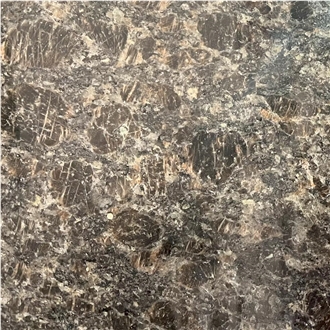
Antique Pearl Granite

About
Item Details
- Material Type:
- Granite
- Origin:
Brazil - Primary Color(s):
- Brown
- Recommended Usage:
- kitchen and bathroom countertop, wash basins, building stone, ornamental stone, stairs, interior, exterior wall and floor applications, mosaic, water-jet pattern, wall panels, table tops, balustrades, columns, wall and pool copings, pool pavers, fireplaces, window sills
- Additional Names:
- Antiq Pearl Granite, Antique Pearl Granite, Coffee Pearl Granite, Royal Pearl Granite, Antique Pearl, Antique Pearl Granite
- Finished Surface:
- Polished,Flamed,Bush Hammered,Tumbled,Brushed,Honed,Split,Machine Cut,Natural Surface,Sandblasted,Acid Washing,Combed,Leathered,Water Jet,Chiseled,Pickling
Testing
- Water Absorption:
- 0.2 - 0.4%
- Density:
- 2680 - 2720 kg/m³
- Flexural Strength:
- 9 - 12 MPa
- Compressive Strength:
- 165 - 180 MPa
Description
Antique Pearl Granite is a sophisticated natural stone known for its light to medium grey background enriched with soft beige, cream, and pearl-white mineral tones. It has a balanced, slightly speckled pattern with subtle movement, creating a refined and timeless appearance. It is suitable for both modern and classic designs, making it a versatile choice for various applications. The granite's medium-grained crystalline structure is composed primarily of quartz, feldspar, and biotite, providing high durability and strength. This particular granite is quarried in Brazil.
Physical and Mechanical Properties:
- Water Absorption: Typically around 0.2%-0.4%.
- Density: Approximately 2.68 - 2.72 g/cm³.
- Flexural Strength: Generally in the range of 9 - 12 MPa.
- Compressive Strength: Usually between 165 - 180 MPa.
- Hardness: 6-7 on the Mohs scale.
- Porosity: Low, typically less than 0.5%, contributing to its high durability.
- Slip Resistance: Moderate to high, depending on the finish (polished finishes have lower slip resistance compared to honed or flamed finishes).
Chemical and Mineral Composition (% by Weight):
- Quartz: 25-30%
- Feldspar (Plagioclase, Microcline): 60-65%
- Biotite & Muscovite: 5-10%
- Other Minerals (Trace elements including iron compounds that may provide varied tones): 1-3%
Uses:
- Countertops: Kitchens and bathrooms
- Flooring: Indoor and outdoor areas
- Wall Cladding: Exterior veneers and interior features
- Fireplaces: Surrounds and mantels
- Outdoor Uses: Patios, steps, or as building stone
Maintenance:
- Cleaning: Regular cleaning with pH-neutral products. Avoid acidic or abrasive cleaners.
- Sealing: Recommended every 1-2 years to maintain stain resistance, especially in high-use areas.
- Repairs: Minor scratches can often be polished out, and chips can be filled with epoxy resin matched to the stone’s color.
Cutting Sizes (cm):
- Slabs: Typically available in 2 cm and 3 cm thicknesses.
- Tiles: Commonly available in sizes ranging from 30x30 cm to 60x60 cm.
- Custom Sizes: Available upon request for specific projects.
Common Surface Finish Options:
- Polished: Provides a high-gloss finish that enhances the stone’s natural colors and patterns.
- Honed: Offers a smooth, matte finish with lower reflectivity.
- Flamed: A rough, textured finish that enhances slip resistance, ideal for outdoor applications.
- Bush Hammered: A characteristic rugged texture that resembles naturally weathered stone.
- Leathered: A finish that maintains some gloss with a more textured feel that is smoother than flamed but less shiny than polished.
Additional Information:
- The granite’s natural color variations and patterns make each slab unique, adding character and elegance to installations.
- Due to its durability and aesthetic appeal, Antique Pearl Granite remains a popular choice for both residential and commercial projects.
FAQ
Yes, Brazils Antique Pearl Granite can be used as wall coverings. It is a durable and versatile stone, often used in various applications including countertops, backsplashes, and wall claddings. The unique patterns and colors of the granite can add an attractive and elegant touch to any interior space.
What is the coefficient of friction of Combed Brazil's Antique Pearl Granite tiles?
The coefficient of friction of Combed Brazils Antique Pearl Granite tiles can vary depending on various factors such as the specific texture and finish of the tiles, as well as the surface on which they are installed. To determine the coefficient of friction for these tiles, it is best to consult the manufacturer or supplier for specific information or conduct laboratory testing according to international standards such as ASTM C1028 or ANSI A137.1.
Can Brazil's Antique Pearl Granite be used exterior applications in very rainy climates?
Yes, Brazils Antique Pearl Granite can be used for exterior applications in very rainy climates. Granite is a highly durable and weather-resistant natural stone that can withstand various climatic conditions, including excessive rain. However, proper installation and sealing are essential to ensure its longevity and prevent potential water damage. It is recommended to consult with a professional stone installer or supplier who can provide specific guidance based on the particular conditions and requirements of your project.
Can Brazil's Antique Pearl Granite be used outdoors?
Yes, Brazils Antique Pearl Granite can be used outdoors. Granite is a highly durable and weather-resistant natural stone, making it a popular choice for outdoor applications such as countertops, pavements, and cladding. It is capable of withstanding extreme temperatures, heavy rains, and UV rays without significant damage or color fading. However, it is important to properly seal and maintain the granite to ensure longevity and preserve its appearance when used outdoors.
Can Brazil's Antique Pearl Granite be used in a office?
Yes, Brazils Antique Pearl Granite can be used in an office setting. Granite is a durable and versatile material that is commonly used in commercial spaces, including offices. Brazils Antique Pearl Granite has a unique and elegant appearance due to its speckled pattern of white, gray, and black colors. This natural stone can add a touch of sophistication to an office environment and is suitable for countertops, desktops, flooring, and other applications.
How thick is Brazil's Antique Pearl Granite slabs?
The thickness of Brazils Antique Pearl Granite slabs can vary, but typically they are available in thicknesses of 2 centimeters (0.79 inches) or 3 centimeters (1.18 inches).
Are there color variations of Brazil's Antique Pearl Granite?
I do not have access to current information about whether or not there are color variations of Brazils Antique Pearl Granite. However, Granite can be found in a wide range of colors, including white, black, pink, red, green, blue, and gray. It is possible that Antique Pearl Granite may have variations in its patterns and veining, but the overall color of the stone is likely to remain consistent. It is best to consult with a granite supplier or fabricator for more specific information on color variations.
What grade is Brazil's Antique Pearl Granite?
Im not certain about specific grading systems used for granite, but generally, Antique Pearl Granite from Brazil is considered a high-quality and highly valued natural stone for countertops and other interior and exterior applications. It has a unique appearance with rich, warm tones, and intricate veining patterns that make it a popular choice for upscale homes and commercial properties.
Is Brazil's Antique Pearl Granite an expensive stone?
I dont have access to the current market prices. However, the cost of Antique Pearl Granite can vary depending on its availability and demand in the market. Generally, exotic granites like Antique Pearl are more expensive than other granite types due to their uniqueness and rarity.