Post Your Needs

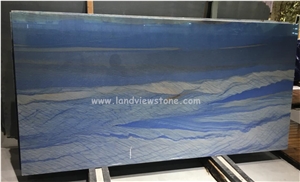
Azul Tropical Quartzite

Blue - Quartzite

Brazil

About

Item Details

Material Type:
Quartzite
Origin:
Brazil (Serra da Vereda, Macaubas e Boquira, Bahia, North-East region of Brazil)
Primary Color(s):
Blue
Recommended Usage:
Countertops, mosaic, exterior - interior wall and floor applications, fountains, pool and wall capping, stairs, wall panels, fireplace surrounds
Additional Names:
Columbia Blue Quartzite, Azul Columbia Quartzite, Tropical Blue Quartzite, Azul Tropicale, Azul Macaubas Quartzite, Azul Boquira Quarztite, Azul Imperial Quartzite, in China stone market:石英兰(Shíyīng lán), 格兰云天(Gé lán yúntiān), 哥伦比亚蓝(Gēlúnbǐyǎ lán), Azul Tropical Quartzite
Finished Surface:
Polished,Tumbled,Brushed,Honed,Split,Machine Cut,Natural Surface,Sandblasted,Acid Washing,Combed,Leathered,Water Jet,Filled,Chiseled,Pickling

Testing

Water Absorption:
0.11 mass%
Density:
2683 kg/m3
Flexural Strength:
20.39 MPa
Compressive Strength:
210.2 MPa

Description

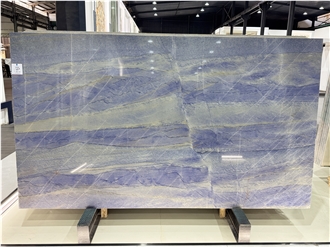
Azul Tropical Quartzite is a breathtaking natural stone that is highly sought after for its striking blue and green hues quarried in Brazil. It is a type of quartzite known for its vibrant colors, unique veining patterns, and luxurious appearance. Here are some key characteristics and features of Azul Tropical Quartzite:

Color and Veining:

Azul Tropical Quartzite showcases a captivating range of blue and green tones, reminiscent of tropical waters. The stone often features swirling veins and patterns in contrasting shades of white, gray, or even hints of gold, adding depth and visual interest. These intricate veining patterns create a sense of movement and enhance the stone's overall beauty.

Durability:

Quartzite is renowned for its durability and strength, and Azul Tropical Quartzite is no exception. It is formed from sandstone that has undergone intense heat and pressure, resulting in a dense and resilient stone. Azul Tropical Quartzite is resistant to scratches, heat, and staining, making it suitable for a wide range of interior and exterior applications.

Luxurious Aesthetic:

Azul Tropical Quartzite exudes an air of luxury and sophistication. Its vibrant blue and green colors and intricate veining make it a popular choice for creating eye-catching and upscale designs. It can be used to add a touch of opulence and elegance to both modern and traditional spaces.

Versatility:

Azul Tropical Quartzite is a versatile stone that can be used in various design applications. It is commonly utilized for kitchen countertops, bathroom vanities, flooring, wall cladding, fireplace surrounds, and decorative accents. Its stunning colors and unique patterns allow it to make a bold statement or complement a wide range of design styles.

Maintenance:

Azul Tropical Quartzite is relatively low-maintenance. It is recommended to seal the surface upon installation to protect it from potential staining agents. Regular cleaning with mild soap and water is usually sufficient for day-to-day maintenance. Avoid using abrasive cleaners or harsh chemicals that could damage the stone's surface.

Azul Tropical Quartzite is a magnificent natural stone that captivates with its vibrant blue and green hues and intricate veining patterns. Its durability, luxurious aesthetic, and versatility make it a favored choice for those seeking a standout feature in their interior design or architectural projects.

FAQ

How can I clean a scratched Azul Tropical Quartzite kitchen countertop?

To clean a scratched Azul Tropical Quartzite kitchen countertop, you can follow these steps: 1. Start by cleaning the countertop with a mild dish soap and warm water. Use a soft cloth or sponge to gently scrub the surface and remove any dirt or grime. 2. For deeper cleaning, you can make a paste using baking soda and water. Apply the paste to the scratched areas and gently scrub with a soft brush or cloth. Rinse the area thoroughly with clean water. 3. If the scratches are still visible, you can try using a fine-grit sandpaper to buff out the scratches. Make sure to use gentle and even pressure while sanding to avoid causing further damage to the surface. 4. After sanding, rinse the countertop again with clean water to remove any residue from the sanding process. 5. For a final polish, you can use a commercial quartzite polish or a mixture of water and vinegar. Apply the polish or vinegar solution to the countertop and buff with a soft cloth until the surface shines. 6. To prevent future scratches, make sure to use cutting boards and trivets to protect the countertop from sharp objects and heat. Regularly clean and maintain the countertop to keep it looking its best. If the scratches are deep and extensive, it may be best to consult a professional stone restoration specialist for further advice and assistance.
Is Azul Tropical Quartzite 2cm thick. floor tiles fragile?

Azul Tropical Quartzite is a natural stone that is known for its durability and strength. However, like with any natural stone, it is important to handle it with care to prevent any damage or breakage. When properly sealed and installed, 2cm thick Azul Tropical Quartzite floor tiles should not be considered fragile. They are suitable for use in high-traffic areas and can withstand regular wear and tear. It is advisable to avoid dropping heavy objects on the tiles and to clean up spills immediately to prevent any potential damage. Overall, Azul Tropical Quartzite floor tiles are a beautiful and durable option for your flooring needs. With proper care and maintenance, they can last for many years to come.

Can 2cm Azul Tropical Quartzite be used for interior stair steps?

Yes, 2cm Azul Tropical Quartzite can be used for interior stair steps. However, it is important to ensure that the quartzite is properly installed and sealed to protect it from wear and tear over time. Additionally, it is recommended to consult with a professional before proceeding with the installation to ensure that the quartzite is suitable for use on stair steps.

Can I use Lysol wipes on Azul Tropical Quartzite?

It is not recommended to use Lysol wipes or any other harsh chemical cleaners on quartzite countertops, as they can cause damage to the surface. It is best to use a mild soap and water solution or a pH-neutral cleaner specifically designed for natural stone countertops. Always refer to the manufacturers guidelines for cleaning and maintenance instructions for your specific type of quartzite.

What is the best daily cleaner for Azul Tropical Quartzite?

The best daily cleaner for Azul Tropical Quartzite is a mild, non-abrasive cleanser and warm water. Avoid harsh chemicals or acidic cleaners that could damage the surface of the quartzite. Additionally, make sure to wipe up spills promptly to prevent staining and regularly seal the stone to protect it from moisture and liquids.

Does water stain Azul Tropical Quartzite countertops?

Water should not stain Azul Tropical Quartzite countertops as long as they are properly sealed. Quartzite is a natural stone that is resistant to staining, but it is still important to regularly seal the countertops to protect them from any potential damage. It is recommended to wipe up any spills or water droplets from the countertop surface to prevent any potential staining or damage over time.

Does coffee stain Azul Tropical Quartzite countertops?

It is possible for coffee to stain Azul Tropical Quartzite countertops if it is not wiped up promptly. Quartzite is a natural stone that is less porous than marble but still susceptible to staining from liquids like coffee. It is recommended to clean up any spills immediately and to avoid leaving acidic or staining substances on the surface for an extended period of time to prevent staining. Regular sealing of Azul Tropical Quartzite countertops can also help protect against staining.

Does lemon juice damage Azul Tropical Quartzite countertop?

It is not recommended to use lemon juice on Azul Tropical Quartzite countertops as the acidity in lemon juice can etch and damage the surface of the countertop over time. It is best to clean Azul Tropical Quartzite countertops with a mild soap and water solution or a pH-neutral stone cleaner to avoid any potential damage.

How often do Azul Tropical Quartzite countertops need to be sealed?

Azul Tropical Quartzite countertops should be sealed at least once a year to maintain their beauty and durability. However, some experts recommend sealing them every 6-12 months depending on the level of use and exposure to liquids and other staining agents. It is important to follow the manufacturers guidelines and consult with a professional for the best sealing schedule for your specific countertops.

Products & Prices

View More

Hot Blue Quartzite

New Quartzite

Post Your Request

The request includes:
  1. surface finished, size
  2. quantity required