Beola Nera Gneiss Overview
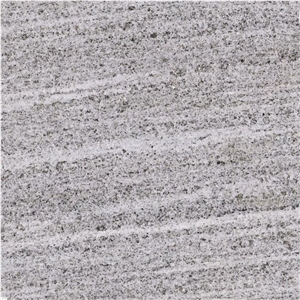
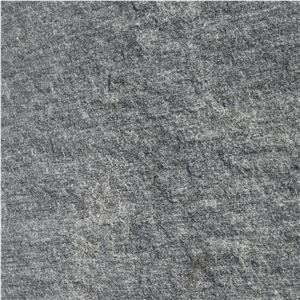
Beola Nera Gneiss, often described as possessing an olive black or dark grey undertone, is a warm and soft variant of gneiss quarried in the Italian Alps, specifically in the Provincia del Verbano Cusio Ossola. This natural stone is particularly noted for its elegant appearance, making it a popular choice in various architectural and design applications.
Physical and Mechanical Properties
- Water Absorption: Low to moderate, typically around 0.2% to 0.4%
- Density: Approximately 2,700 to 2,800 kg/m³
- Flexural Strength: Between 10 to 15 MPa
- Compressive Strength: Ranges from 150 to 200 MPa
- Hardness: Typically registers around 6.5 to 7 on the Mohs scale
- Porosity: Usually low, contributing to its durability and weather resistance
- Slip Resistance: Moderate to high, depending on surface finish
Chemical and Mineral Composition
Beola Nera Gneiss is composed of various minerals and elements:
- Quartz: 20% to 30%
- Feldspar: 15% to 30%
- Biotite: 10% to 20%
- Muscovite: 5% to 10%
- Other Minerals (such as chlorite, garnet, and amphibole): 5% to 15%
These proportions can slightly vary depending on the specific quarry.
Usage
-
Interior Applications:
-
Flooring
-
Wall cladding
-
Countertops
-
Bathroom vanities
-
Exterior Applications:
-
Facade cladding
-
Pavements
-
Outdoor stairs
Maintenance
- Cleaning: Regular cleaning with a pH-neutral cleaner is recommended.
- Sealing: Depending on its use, especially in kitchen or bathroom applications, sealing to prevent staining is advisable.
- Resurfacing: Over time, resurfacing might be necessary to restore its original luster.
Cutting Sizes
- Standard Slab Sizes: Usually available in slabs ranging from 2 cm to 3 cm thickness.
- Custom Sizes: Tailored cuts can be made for specific project requirements.
Surface Finish Options
- Polished: Provides a glossy and reflective surface that highlights the stone's natural color and veining.
- Honed: Offers a smooth, matte finish and is ideal for understated elegance.
- Brushed: Creates a textured surface that emphasizes the tactile qualities of the stone.
- Flamed: Provides a rough surface finish and enhances slip resistance, often used for outdoor applications.
- Sandblasted: Produces a non-reflective matte finish with a slight texture, suitable for both indoor and outdoor uses.
Overall, Beola Nera Gneiss is celebrated for its aesthetic appeal and versatility in both residential and commercial settings. Its combination of physical robustness and pleasing appearance has made it a favored material among architects and designers worldwide.


 Italy


 Switzerland


 Brazil


