Description of Lucerna Gneiss
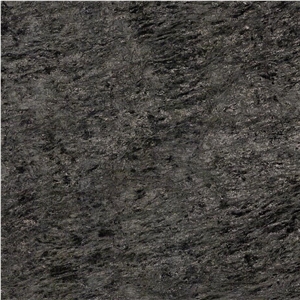
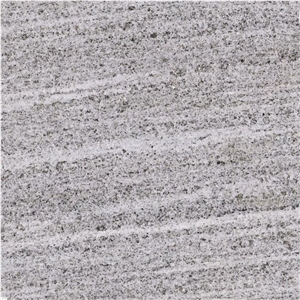
Lucerna Gneiss is a striking natural stone known for its distinctive silver-grey color. It features a coarse-grained texture with easily visible mineral bands, making it a popular choice for both aesthetic and functional applications. This type of gneiss is quarried in Brazil and is appreciated for its visual appeal and robustness.
Physical and Mechanical Properties
-
Water Absorption: Typically low, around 0.2% - 0.6%, indicating good resistance to water penetration.
-
Density: Approximately 2.7 - 2.9 g/cm³, representing a dense and durable material.
-
Flexural Strength: Generally around 12 - 15 MPa, showing it can withstand moderate flexural stresses.
-
Compressive Strength: Typically ranges from 120 - 160 MPa, illustrating its ability to bear significant weight.
-
Hardness: Quite hard, usually around 6 - 7 on the Mohs scale, contributing to its scratch resistance.
-
Porosity: Low porosity, enhancing its resistance to weathering and staining.
-
Slip Resistance: Good slip resistance, especially when a textured or flamed finish is applied.
Chemical and Mineral Compositions
- Quartz: Approximately 25% - 35% by weight.
- Feldspar: Around 30% - 40%.
- Mica (Biotite and/or Muscovite): Roughly 10% - 20%.
- Other Minerals: Around 5% - 15%, which can include garnet, graphite, and hornblende.
- Trace Elements: Small amounts of iron oxide and other minerals that contribute to its color and durability.
Usage
- Interior Applications: Flooring, wall cladding, kitchen countertops, and bathroom vanities.
- Exterior Applications: Facades, outdoor flooring, stairs, and landscaping elements.
- Decorative Uses: Custom artworks, garden features, and monuments.
Maintenance
To maintain the aesthetic and performance characteristics of Lucerna Gneiss, regular cleaning with pH-neutral detergents is recommended. Periodic sealing can help protect against staining and moisture penetration. Avoid abrasive materials or harsh chemicals that could damage the surface.
Cutting Sizes
Lucerna Gneiss can be cut into customized sizes based on project requirements. Standard slab thicknesses range from 2 cm to 3 cm. Common tile sizes include:
- 30 x 30 cm
- 60 x 30 cm
- 60 x 60 cm
Surface Finish Options
- Polished: Offers a glossy and reflective surface, enhancing the stone's natural colors.
- Honed: Provides a smooth, non-reflective, matte finish.
- Flamed: Produces a rough texture for outdoor slip resistance.
- Bush-Hammered: Delivers a textured finish that is suitable for high-traffic areas.
- Leathered: Combines a soft sheen with a textured feel, enlivening the stone's natural pattern.
Summary
Lucerna Gneiss stands out as a versatile, durable option for various construction and decorative applications, thanks to its impressive physical properties and aesthetic appeal. Its silver-grey color and distinct mineral bands make it a valuable choice for both traditional and contemporary designs.


 Brazil


 Italy

 Switzerland