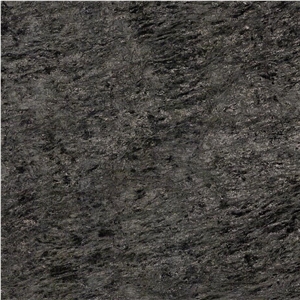
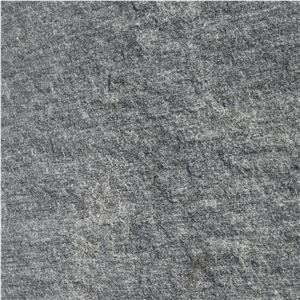
Beola Stella Gneiss

About
Item Details
- Material Type:
- Gneiss
- Origin:
Italy (Trontano, Villadossola, Provincia del Verbano Cusio Ossola) - Primary Color(s):
- Grey
- Recommended Usage:
- Kitchen and bathroom countertops, monuments, building stone, ornamental stone, stairs, interior, exterior wall and floor applications, mosaic, waterjet pattern, wall panels, table tops, window sills, balustrades, columns, wall and pool copings, pool pavers, sculptures, fireplaces, pavers, cobbles, curbstone
- Additional Names:
- Beola Stella Granite, Beola Grigio Gneiss, Beola Stella
- Finished Surface:
- Polished,Flamed,Bush Hammered,Tumbled,Brushed,Honed,Split,Machine Cut,Natural Surface,Sandblasted,Acid Washing,Combed,Leathered,Water Jet,Filled,Chiseled,Pickling
Testing
- Water Absorption:
- 0.6 %
- Density:
- 2633 Kg/m3
- Flexural Strength:
- 15.5 MPa
- Compressive Strength:
- 164.0 MPa
Description
Beola Stella Gneiss is a fine-grained natural stone known for its distinctive cloudy silver-grey and white veining. It is quarried in the regions of Trontano and Villadossola in the Provincia del Verbano Cusio Ossola, Italy. This type of gneiss is appreciated in the construction and design industries for its aesthetic appeal and durability.
Colors
- Primarily grey with silver undertones
- White veining adds contrast and visual interest
Physical and Mechanical Properties
- Water Absorption: Approximately 0.6%
- Density: 2633 kg/m³
- Flexural Strength: 15.5 MPa
- Compressive Strength: 164.0 MPa
- Hardness: Moderate to high, typical of gneiss materials
- Porosity: Low, contributing to its resistance to water and staining
- Slip Resistance: Generally good, but specific values depend on surface finish
Chemical and Mineral Composition
- Quartz: Approximately 40-50%
- Feldspar: Approximately 30-40%
- Biotite and Muscovite Mica: 10-15%
- Accessory Minerals: Including but not limited to, garnet, sillimanite, and others contributing to its unique appearance
Usage
- Interior Applications: Floor tiles, countertops, wall cladding, and bathroom vanities
- Exterior Applications: Facades, paving, and landscaping elements
- Commercial Applications: High-traffic areas due to its durability and slip resistance
- Monumental and Decorative Uses: Sculptures and monuments
Maintenance
- Regular cleaning with pH-neutral cleaning agents
- Immediate cleaning of spills to prevent staining
- Occasional sealing to maintain surface integrity and appearance
Cutting Sizes
- Typically available in slab forms
- Common thickness ranges from 2 cm to 3 cm for slabs
- Custom cutting sizes available based on project requirements
Surface Finish Options
- Polished: Enhances color and veining, suitable for interior applications
- Honed: Smooth with a matte finish, less slippery for flooring
- Flamed: Textured for increased slip resistance in outdoor applications
- Brushed: Soft, worn appearance for a rustic look
- Sandblasted: Rough texture, ideal for non-slip surfaces
Beola Stella Gneiss, with its versatile properties and elegant appearance, is a favored choice for a variety of architectural and design applications. This natural stone's low porosity and high strength make it suitable for both indoor and outdoor environments, providing a timeless look with robustness to everyday wear.
FAQ
Yes, there can be color variations of Italys Beola Stella Gneiss. Beola Stella Gneiss is a natural metamorphic rock that is commonly found in the Italian Alpine region. It is known for its distinctive layered structure and can vary in color from light gray, silver, and white to darker shades of gray, brown, and black. The specific coloration can vary depending on the quarry and location of extraction, resulting in different variations and patterns. It is also possible to find Beola Stella Gneiss with streaks or veins of different colors, adding to its visual appeal.
How thick is Italy's Beola Stella Gneiss slabs?
The thickness of Italys Beola Stella Gneiss slabs can vary depending on the specific supplier or manufacturer. However, on average, Beola Stella Gneiss slabs are usually available in thicknesses ranging from 2 centimeters (0.78 inches) to 3 centimeters (1.18 inches).
Can Italy's Beola Stella Gneiss be used in a dining room?
Yes, Italys Beola Stella Gneiss can be used in a dining room. Gneiss is a durable and versatile natural stone that can be used for various applications, including flooring, countertops, and wall cladding. Beola Stella Gneiss, in particular, is known for its beautiful veining and unique patterns, which can add a touch of elegance and sophistication to any space, including a dining room.
Can Italy's Beola Stella Gneiss be used in floor coverings?
Yes, Italys Beola Stella Gneiss can be used for floor coverings. Gneiss is a type of metamorphic rock that is known for its durability, strength, and aesthetic appeal, making it suitable for various applications, including flooring. The Beola Stella variety is particularly popular for its unique patterns and colors, which can enhance the visual appeal of a space. Gneiss is often polished to create a smooth surface that is resistant to wear and tear, making it an excellent choice for high traffic areas.
What is the coefficient of friction of Filled Italy's Beola Stella Gneiss tiles?
The coefficient of friction of Filled Italys Beola Stella Gneiss tiles may vary depending on various factors such as the surface finish, texture, and the presence of any additional coatings or treatments. It is recommended to consult the manufacturer or supplier of the specific tiles for accurate information regarding the coefficient of friction.
Can Italy's Beola Stella Gneiss be used exterior applications in very sunny climates?
Yes, Italys Beola Stella Gneiss can be used for exterior applications in very sunny climates. Gneiss is a metamorphic rock known for its durability and resistance to weathering. It is suitable for use in outdoor applications such as paving, cladding, and landscaping. Its ability to withstand the elements, including direct sunlight, makes it ideal for use in sunny climates. However, it is always advisable to consult with a local stone supplier or geologist to ensure the specific conditions of the site and climate are suitable for the intended application.
What grade is Italy's Beola Stella Gneiss?
Italys Beola Stella Gneiss is typically categorized as a grade 2 stone.
Is Italy's Beola Stella Gneiss an expensive stone?
I do not have access to current market prices and cannot provide an exact answer. However, generally, Beola Stella Gneiss is considered a high-end and expensive stone due to its rarity and unique appearance. It is commonly used for flooring, walls, and countertops and has a luxurious look. Its price may vary depending on factors such as quality, size, and supplier. It is recommended to check with local suppliers for current prices.