Post Your Needs

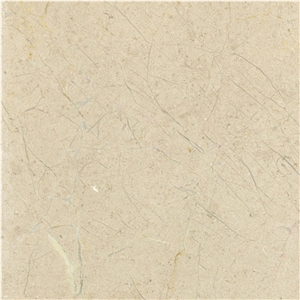
China Palissandro Beige Marble

Beige - Marble

China

About

Item Details

Material Type:
Marble
Origin:
China
Primary Color(s):
Beige
Recommended Usage:
Kitchen and bathroom countertops, monuments, building stone, ornamental stone, building stone, stairs, interior wall and floor applications, mosaic, waterjet pattern, wall panels, table tops, columns, fireplace surround
Additional Names:
China Palissandro Classico Marble, China Palissandro Marble, Sand Wave Beige Marble, Sand Wave Marble, Landscape Painting Marble, in China stone market:山水画(Shānshuǐhuà), China Palissandro Beige Marble
Finished Surface:
Polished,Bush Hammered,Tumbled,Brushed,Honed,Split,Machine Cut,Natural Surface,Sandblasted,Combed,Leathered,Water Jet,Filled,Chiseled,Pickling

Testing

Water Absorption:
0.15 – 0.25% by weight
Density:
2680 – 2720 kg/m³
Flexural Strength:
8 – 12 MPa
Compressive Strength:
105 – 120 MPa

Description

China Palissandro Beige Marble is a refined, elegant natural stone quarried in China. This marble is prized for its sophisticated appearance — a warm beige and creamy backdrop adorned with striking veins, making it a sought-after choice for luxurious and contemporary interiors.

Color, Texture, and Pattern

Color:

  • Predominantly warm white to creamy beige background
  • Delicate light creamy shades that add subtle depth
  • Contrasting darker beige or light brown veins create an elegant, dynamic appearance

Texture:

  • Fine-grain crystalline structure
  • Smooth to the touch, even when honed or brushed

Pattern:

  • Features flowing, wavy veins of darker beige or light brown
  • The overall effect is a natural, harmonious elegance, reminiscent of Italian Palissandro marble

Physical & Mechanical Properties

  • Density : 2.68 – 2.72 g/cm³ (2,680 – 2,720 kg/m³)
  • Water Absorption : 0.15 – 0.25% by weight
  • Flexural Strength : 8 – 12 MPa
  • Compressive Strength : 105 – 120 MPa
  • Porosity : Low (~0.3–0.4%)
  • Hardness (Mohs) : ~3 – 4
  • Slip Resistance : Moderate to high depending on finish (polished has low slip resistance, while honed/brushed/ sandblasted offer better slip resistance for wet or outdoor areas)

Chemical & Mineral Composition (% by weight)

  • Calcite (CaCO3): ~96–98%
  • Quartz (SiO2): ~1–2%
  • Minor minerals (feldspar, mica, clay): <1%
  • Trace minerals (iron oxides, etc.): <0.5%

Usage

Interior Applications:

  • Flooring
  • Wall cladding
  • Bathroom vanities and countertops
  • Kitchen islands and countertops
  • Stairs and window sills
  • Fireplace surrounds

Exterior Applications:

  • Light-traffic outdoor use (with honed, brushed, or sandblasted finishes)

Aesthetic Impact: Its soft creamy hues and darker veins lend a warm, refined elegance perfect for both classic and modern architectural styles.

Maintenance

  • Use pH-neutral, non-abrasive stone cleaners
  • Avoid harsh chemicals and acidic cleaners
  • Apply a quality stone sealer to enhance stain resistance, especially in high-traffic or wet areas
  • Promptly clean spills to maintain natural beauty

Available Cutting Sizes (cm)

Slabs:

  • 240–300 cm length × 120–200 cm width

Tiles:

  • 30×60 cm
  • 60×60 cm
  • 60×120 cm
  • Custom cut sizes upon request

Surface Finish Options

  • Polished: High-gloss, luxurious appearance
  • Honed: Matte, contemporary elegance
  • Sandblasted: Textured, slip-resistant
  • Brushed: Soft, aged look with slight texture
  • Tumbled: Antique, weathered appearance
  • Leathered: Satin texture with gentle matte sheen

FAQ

Does China Palissandro Beige Marble kitchen countertop scratch easily?

China Palissandro Beige Marble is a durable and hard material, but like any natural stone, it is still susceptible to scratching. While it is more resistant to scratches compared to other types of marble, it is still important to avoid dragging heavy or sharp objects across the surface to prevent scratches. Regular sealing and proper maintenance can also help to protect the marble and minimize the risk of scratching.

Can dolomitic China Palissandro Beige Marble be used as a kitchen cutting board?

No, dolomitic China Palissandro Beige Marble is not recommended for use as a kitchen cutting board. Marble is a porous and soft stone that can easily scratch, stain, or etch if it comes into contact with acidic substances such as lemon juice, vinegar, or tomato sauce. It is best to use a non-porous and durable material, such as wood or plastic, for a kitchen cutting board to ensure food safety and prevent damage to the countertop.

What are the types of kitchen countertop edge profiles?

1. Square edge: A straight, angular edge that gives a modern and minimalist look to the countertop. 2. Beveled edge: A slanted edge with a flat top that provides a subtle and classic detail to the countertop. 3. Bullnose edge: A rounded edge that is smooth and soft to the touch, perfect for creating a seamless and elegant look. 4. Ogee edge: A detailed edge profile that features an S-shaped curve, adding a touch of luxury and sophistication to the countertop. 5. Half-bullnose edge: Similar to the bullnose edge, but with a more gradual curve that creates a sleek and contemporary design. 6. Eased edge: A simple and clean edge that is slightly rounded for a soft and understated finish. 7. Waterfall edge: A dramatic edge profile that extends vertically down the sides of the countertop, creating a bold and statement-making look. 8. Cove edge: A concave-shaped edge that adds dimension and visual interest to the countertop, making it a unique and stylish choice.

Can dolomitic stone China Palissandro Beige Marble have a flamed surface finish?

Yes, dolomitic stone China Palissandro Beige Marble can be given a flamed surface finish. Flaming is a process where the stone is heated and then rapidly cooled to create a textured, rough surface. This finish is commonly used for outdoor applications as it provides slip resistance and can enhance the natural beauty of the stone.

Can I use China Palissandro Beige Marble for fireplace design?

Yes, China Palissandro Beige Marble can be used for fireplace design. It is a beautiful and elegant choice for a fireplace surround or mantel. The warm beige tones and unique veining of the marble will add a touch of luxury and sophistication to your fireplace design. Just make sure to consult with a professional before installing the marble to ensure it is suitable for use in a fireplace setting.

How to repair the scratched marble kitchen countertop surface?

Repairing a scratched marble kitchen countertop surface can be done with some simple steps. Here is a step-by-step guide on how to repair scratched marble countertops: 1. Clean the surface: Start by cleaning the countertop surface with a mild soap and water solution. Use a soft cloth or sponge to gently scrub the surface and remove any dirt or grime. 2. Assess the damage: Examine the scratches on the surface and determine how deep they are. Minor scratches can be easily repaired with DIY methods, while deep scratches may require professional help. 3. Use a marble polishing powder: For minor scratches, you can use a marble polishing powder to buff out the scratches. Mix the powder with water to form a paste, then apply it to the scratched area and buff it in circular motions with a soft cloth. 4. Sand the surface: If the scratches are deeper, you may need to sand the surface to remove them. Use fine-grit sandpaper to gently sand the scratched area in circular motions until the scratches are no longer visible. 5. Apply a marble sealer: Once the scratches are repaired, it is important to protect the surface with a marble sealer. This will help prevent future scratches and stains on the countertop. 6. Maintain the surface: To keep your marble countertop looking its best, make sure to clean spills immediately, use cutting boards to prevent scratches, and avoid placing hot pots and pans directly on the surface. By following these steps, you can easily repair scratched marble kitchen countertops and restore them to their original beauty.

How to repair the cracked marble kitchen countertop edge?

Repairing a cracked marble kitchen countertop edge can be a delicate process, but it is possible with the right materials and techniques. Here is a step-by-step guide on how to repair a cracked marble kitchen countertop edge: 1. Clean the area: Before starting the repair process, make sure to thoroughly clean the cracked area with a mild detergent and warm water. Dry the area completely before moving on to the next step. 2. Gather materials: For this repair, you will need epoxy resin, a putty knife, fine-grit sandpaper, and a polishing compound. 3. Mix the epoxy resin: Follow the manufacturers instructions to mix the epoxy resin. Make sure to work quickly, as epoxy resin sets fast. 4. Fill the crack: Use the putty knife to apply the epoxy resin to the cracked area. Make sure to fill the crack completely and smooth out the surface as much as possible. 5. Let it dry: Allow the epoxy resin to dry completely according to the manufacturers instructions. This can take anywhere from a few hours to overnight. 6. Sand the surface: Once the epoxy resin is fully dried, use the fine-grit sandpaper to sand down the repaired area. This will help smooth out any rough edges or excess epoxy resin. 7. Polish the countertop: Finally, apply a small amount of polishing compound to a clean cloth and buff the repaired area until it matches the rest of the countertop. By following these steps, you can effectively repair a cracked marble kitchen countertop edge and restore its appearance. Just make sure to handle the marble carefully to prevent further damage.

What method should be applied to prevent the marble table top from breaking?

One effective method to prevent a marble table top from breaking is to handle it with care and avoid placing heavy objects on top of it. Additionally, protective pads or coasters can be used to prevent scratches and to distribute weight evenly. Regular maintenance, such as cleaning with a soft cloth and avoiding harsh chemicals, can also help to maintain the integrity of the marble. It is also important to keep the table top away from direct sunlight and extreme temperatures, as this can cause the marble to expand and contract, leading to cracks or breakage.

How thin can China Palissandro Beige Marble be cut as walling tiles?

China Palissandro Beige Marble can be cut into walling tiles as thin as 10mm. However, it is important to note that the thinner the tile, the more fragile it may be, so it is recommended to consult with a professional before deciding on the thickness of the tiles for your specific project.

Products & Prices

View More

Hot Beige Marble

New Marble

Post Your Request

The request includes:
  1. surface finished, size
  2. quantity required