Post Your Needs

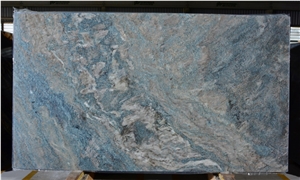
Cote DAzur Quartzite

Blue - Quartzite

Brazil

About

Item Details

Material Type:
Quartzite
Origin:
Brazil
Primary Color(s):
Blue
Recommended Usage:
Building stone,monuments, pool coping, sills, ornamental stone, interior, exterior, wall, floor , paving
Additional Names:
Cote D’Azur Quartzite, Cote de Azur Quartzite, Cote DAzur Quartzite
Finished Surface:
Polished, honed, sawn cut, brushed, tumbled, chiseled, split

Description

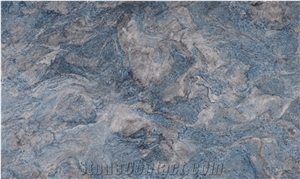
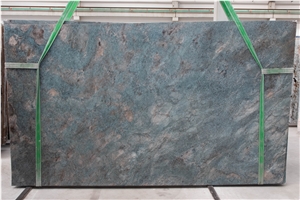
Cote DAzur is a kind of blue quartzite quarried in Brazil. This stone is especially good for Building stone,monuments, pool coping, sills, ornamental stone, interior, exterior, wall, floor , paving and other design projects. It also called Cote D’Azur Quartzite, Cote de Azur Quartzite . Cote DAzur can be processed into Polished, honed, sawn cut, brushed, tumbled, chiseled, split and so on.

FAQ

Can Cote DAzur Quartzite be used for stair steps?

Yes, Cote DAzur Quartzite can be used for stair steps. Quartzite is a highly durable and hard natural stone, making it an excellent choice for areas that require strength and wear resistance, such as staircases. It is also resistant to scratches and can handle heavy foot traffic, which is ideal for stairs. Additionally, the aesthetic appeal of Cote DAzur Quartzite, with its unique patterns and colors, can enhance the visual appeal of the staircase. However, it is essential to ensure proper installation and maintenance to keep the surface in good condition. Consider consulting with a professional stone installer to ensure that the quartzite is correctly fabricated and installed for stair steps.
Do fruit juices stain the surface of Cote DAzur Quartzite kitchen countertop?

Cote dAzur Quartzite is a natural stone known for its durability and resistance to scratching and etching, making it a popular choice for kitchen countertops. However, like many natural stones, it is porous to some extent and can be susceptible to staining if not properly sealed and maintained. Fruit juices, especially those that are highly acidic, like citrus juices, can potentially stain quartzite if they are not wiped up promptly. Acidic substances can also etch the surface over time if the quartzite is not adequately sealed. Regular sealing of the quartzite surface can help protect it from stains and etching caused by spills of fruit juices and other substances. To minimize the risk of staining, its important to: 1. **Clean spills immediately**: Wipe up any fruit juice spills as soon as they occur to prevent them from penetrating the stone. 2. **Use a sealant**: Regularly apply a high-quality sealant as recommended by the quartzite supplier or installer to provide a protective barrier against stains and etching. 3. **Use coasters and trivets**: Place coasters or trivets under glasses or containers that might sweat or leak, and use cutting boards when preparing fruits to avoid direct contact with the countertop. By taking these precautions, you can help maintain the beauty and longevity of your Cote dAzur Quartzite countertops.

What type of abrasive should be used to polish the Cote DAzur Quartzite surface?

Polishing a surface like Cote DAzur Quartzite typically requires specific abrasives that are suitable for natural stone. A diamond polishing pad is generally recommended for quartzite as it is very hard and durable. These pads come in various grits, and youll usually start with a coarse grit and gradually move to finer grits to achieve the desired level of polish. Water should be used during polishing to avoid dust and to keep the stone and pads cool. Always follow the manufacturers instructions or consult with a professional if you are unsure, as using the wrong materials or techniques can damage the quartzite surface.

Is 3cm thick Cote DAzur Quartzite durable enough for use as walkway pavers?

Cote DAzur Quartzite, like many types of quartzite, is known for its hardness and durability, which makes it a suitable choice for various outdoor applications, including walkway pavers. With a thickness of 3 cm, it should be robust enough to serve as walkway pavers, provided its properly installed. Quartzite is resistant to abrasion and can withstand significant wear and tear, which is ideal for high-traffic areas. However, to ensure longevity and performance, consider the following: 1. **Installation:** Proper installation is crucial for durability. This includes preparing a stable base and ensuring appropriate drainage to prevent water pooling. 2. **Sealing:** Although quartzite is less porous than some stones, sealing it can help protect against staining and weathering, especially in outdoor environments. 3. **Maintenance:** Regular cleaning and occasional resealing can help maintain its appearance and structural integrity. 4. **Climate Considerations:** In areas with freeze-thaw cycles, ensure that the base below the pavers accounts for expansion and contraction to prevent cracking. Given these considerations, 3 cm thick Cote DAzur Quartzite should be a durable and attractive choice for walkway pavers, provided it is installed and maintained correctly.

Does the surface of Cote DAzur Quartzite scratch easily?

C?te dAzur Quartzite is a natural stone known for its durability and resistance to scratching compared to other natural stones like marble. Quartzite is generally quite hard, often ranking around 7 on the Mohs scale of mineral hardness, which makes it less prone to scratching. However, no natural stone is completely scratch-proof. Care should still be taken to avoid using abrasive materials or dragging heavy objects across its surface. For best maintenance, use cutting boards, trivets, and avoid using harsh cleaning agents. Regular sealing may also help in preserving its appearance and resistance to scratching.

Can glossy polished Cote DAzur Quartzite be used for pool coping?

Using glossy polished Cote DAzur Quartzite for pool coping is not typically recommended for several reasons. While quartzite is a durable and hard natural stone that can withstand outdoor conditions, the polished finish might pose some issues: 1. **Slip Resistance**: A glossy polished finish can be quite slippery when wet, which is a safety hazard around pool areas. For pool coping, a honed or textured finish that provides better traction is usually preferred. 2. **Heat Retention**: A polished stone can retain more heat from the sun, which could make it uncomfortable to walk on barefoot. 3. **Wear and Tear**: The polished finish may be more susceptible to scratches over time, especially in high-traffic areas like pool coping. If youre set on using Cote DAzur Quartzite, consider opting for a honed or textured finish that provides more grip and reduces the risk of slipping. Always consult with a professional to ensure that the materials chosen are appropriate for the intended use and that the installation meets safety standards.

Can Cote DAzur Quartzite be used as a kitchen countertop?

Yes, Cote DAzur Quartzite can be used as a kitchen countertop. Quartzite is a natural stone that is highly durable and resistant to heat, making it a suitable material for kitchen countertops. It generally has a beautiful appearance, similar to marble, with unique veining and color variations. However, like any natural stone, it requires sealing to maintain its resistance to stains and etching. Regular maintenance and care are necessary to preserve its appearance and functionality as a countertop surface. Be sure to consult with a professional to ensure it is properly installed and maintained.

How can I maintain Cote DAzur Quartzite flooring?

Maintaining C?te dAzur Quartzite flooring involves a combination of routine cleaning, preventive measures, and occasional deep cleaning to preserve its natural beauty and durability. Here are some guidelines to help you maintain your quartzite flooring: 1. **Regular Cleaning:** - **Sweeping/Dust Mopping:** Regularly sweep or use a dry dust mop to remove dust and loose dirt. This prevents scratches from dirt particles. - **Mopping:** Use a damp mop with a mild, pH-balanced cleaner designed for natural stone. Avoid acidic or abrasive cleaners as they can damage the surface. 2. **Stain Prevention:** - **Spill Management:** Wipe up spills immediately with a soft cloth or paper towel to prevent staining. - **Use of Rugs/Mats:** Place rugs or mats at entryways and high-traffic areas to reduce dirt and moisture tracking. 3. **Avoiding Damage:** - **Furniture Pads:** Use felt pads under furniture legs to prevent scratching. - **Shoes:** Consider implementing a no-shoes policy, or ensure footwear is clean and free of grit when walking on the flooring. 4. **Sealing:** - **Regular Sealing:** Quartzite is a porous natural stone, so applying a stone sealant every 1-2 years can help protect it from stains and etching. Follow the manufacturer’s instructions for sealing. 5. **Deep Cleaning and Polishing:** - **Professional Cleaning:** Periodically, you may want to have a professional stone cleaner polish or deep clean your flooring to restore its shine and remove embedded dirt. - **Avoid Harsh Products:** Do not use harsh chemicals, bleach, ammonia, or vinegar on the quartzite as they can damage the surface. 6. **Care with Heavy Items:** - Exercise caution when moving heavy items across the floor to avoid chipping or scratches. 7. **Dealing with Stains:** - **Stain Treatment:** If stains do occur, use a poultice made specifically for natural stone to draw the stain out, following product instructions carefully. Following these maintenance tips will help ensure that your C?te dAzur Quartzite flooring remains attractive and functional for years to come. Regular care can prevent many common issues associated with natural stone flooring.

Is Cote DAzur Quartzite a suitable choice for facades in cold winter climates?

Cote dAzur Quartzite can be a suitable choice for facades in cold winter climates, but there are several factors to consider to ensure its performance and longevity: 1. **Durability**: Quartzite is a hard and durable natural stone, which generally makes it a good candidate for exterior applications. Its resistance to scratching and wear can be beneficial in harsh weather conditions. 2. **Freeze-Thaw Resistance**: In cold climates, the freeze-thaw cycle can be a concern, as water can seep into the stone and expand when frozen, potentially causing damage. Quartzite generally has good freeze-thaw resistance, but its essential to ensure that the specific batch you are considering has been tested and is rated for such conditions. 3. **Water Absorption**: Lower water absorption rates are better for cold climates to minimize the risks associated with freeze-thaw cycles. Make sure to check the water absorption rates of the quartzite you plan to use. 4. **Sealing**: Proper sealing of the quartzite is crucial in cold climates. A high-quality, penetrating sealer can help reduce water absorption and protect the stone from the elements. 5. **Installation**: Proper installation techniques are critical. This includes using appropriate adhesives and grouts that can withstand temperature fluctuations, as well as ensuring good drainage to prevent water accumulation. 6. **Maintenance**: Regular maintenance, including re-sealing the stone periodically, can help maintain its appearance and performance. Consult with a professional stone supplier or architect experienced with cold climate installations to verify that Cote dAzur Quartzite is appropriate for your specific project and climate conditions.

Can Brazil's Cote DAzur Quartzite be used in a kitchen?

Yes, Brazils Cote DAzur Quartzite can be used in a kitchen. Quartzite is a natural stone that is highly durable and heat resistant, making it suitable for use in kitchen countertops, backsplashes, and other surfaces. It is resistant to scratches, stains, and etching, which are common concerns in a kitchen environment. However, it is important to note that proper sealing and regular maintenance is necessary to keep the quartzite in good condition, as it is a porous stone that can be prone to staining if not properly cared for.

Products & Prices

Hot Blue Quartzite

New Quartzite

Post Your Request

The request includes:
  1. surface finished, size
  2. quantity required