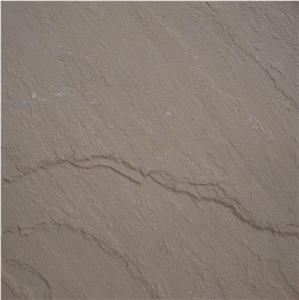
Earth Sandstone

About
Item Details
- Material Type:
- Sandstone
- Origin:
Oman - Primary Color(s):
- Brown
- Recommended Usage:
- Monuments, building stone, ornamental stone, stairs, interior, exterior wall and floor applications, mosaic, wall panels, reliefs, window sills, balustrades, columns, wall and pool copings, pool pavers, sculptures, fireplaces, cobbles, pavers, curbstone
- Additional Names:
- Earth Brown Sandstone, Earth Beige Sandstone, Earth Sandstone
- Finished Surface:
- Bush Hammered,Tumbled,Brushed,Honed,Split,Machine Cut,Natural Surface,Sandblasted,Combed,Leathered,Filled,Chiseled,Pickling
Testing
- Water Absorption:
- 2-3%
- Density:
- 2300 - 2400 Kg/m³
- Flexural Strength:
- 10-11 MPa
- Compressive Strength:
- 60-70 MPa
- Stone texture:
- fine-grained sandstone with a warm sandy beige color and golden-brown shades
Description
Earth Sandstone, a fine-grained sandstone quarried in Oman, is known for its warm sandy beige color accentuated with golden-brown shades. It brings a touch of natural elegance to various architectural and design projects. Here is a comprehensive description of its physical and mechanical properties, chemical composition, and other related information:
Physical and Mechanical Properties:
- Water Absorption:Typically low, around 2-3%, which indicates a good level of density and less susceptibility to water damage.
- Density:Approximately 2.3 - 2.4 g/cm³, suggesting it is a moderately dense stone suitable for various applications.
- Flexural Strength:Generally around 10-11 MPa, indicating a reasonable level of flexibility under stress.
- Compressive Strength:Approximately 60-70 MPa, signifying strong resistance to compression and suitable for load-bearing applications.
- Hardness:Mohs scale rating of 6-7, which is quite durable for construction and outdoor use.
- Porosity:Moderately low, which contributes to its durability and resistance to weathering.
- Slip Resistance:Often rated as medium to high when honed or textured, making it suitable for flooring, especially in wet areas.
Chemical and Mineral Composition (% by Weight):
- Silica (SiO2): 65-75%
- Alumina (Al2O3): 10-15%
- Iron Oxides (Fe2O3): 5-8%
- Lime (CaO): 2-4%
- Magnesium Oxide (MgO): 1-3%
- Other trace minerals can include feldspar, mica, and clay minerals which affect color and structural characteristics.
Usage:
- Exterior Cladding: Given its appealing color and durability, Earth Sandstone is ideal for building facades.
- Flooring: Suitable for indoor and outdoor use due to its slip resistance and hardness.
- Paving: The robustness makes it a preferred choice for pavements and pathways.
- Landscaping: Used for garden features, retaining walls, and decorative boulders.
- Monuments and Sculptures: Easily workable stone for intricate designs.
Maintenance:
- Cleaning: Regular cleaning with mild detergent and water is recommended to maintain its appearance.
- Sealing: Periodic sealing may be required to preserve its color and prevent staining, especially in high-traffic areas.
- Repairs: Due to its durability, repairs are infrequent but should be conducted with matching material if needed.
Cutting Sizes (cm):
- Standard tiles: 30x30, 30x60, 60x60
- Customized sizes: Available upon request, depending on project requirements.
Common Surface Finish Options:
- Polished: Provides a glossy appearance, enhancing the color and texture.
- Honed: Offers a smooth, matte finish, ideal for flooring.
- Textured/Brushed: Adds slip resistance, suitable for outdoor applications.
- Sandblasted: Achieves a rough texture for decorative wall features.
- Tumbled: Provides a rustic, aged appearance for traditional projects.
Earth Sandstone from Oman stands out for its beauty and robust properties, making it an excellent choice across a wide range of uses in architectural and decorative applications. Its warm, natural tones and durable characteristics lend a timeless elegance to both modern and traditional designs.
FAQ
Yes, Omans Earth Sandstone can be used in a kitchen. Sandstone is a durable and versatile natural stone that is often used in various applications, including kitchen countertops, backsplashes, and flooring. However, it is important to note that sandstone is a porous stone and can be susceptible to staining and etching from acidic substances. Therefore, it is recommended to seal the sandstone properly to protect it from stains and maintain its beauty in a kitchen setting. Additionally, regular cleaning and maintenance should be done to keep the sandstone in good condition.
Can Oman's Earth Sandstone be used exterior applications in hot climates?
Omans Earth Sandstone can indeed be used for exterior applications in hot climates. Sandstone is a natural stone that is resistant to weathering and can withstand high temperatures. Oman, being a country with a predominantly hot climate, produces sandstone that is specifically suited for such conditions.
The Earth Sandstone from Oman is known for its durability and ability to withstand extreme weather conditions, including intense heat. Its resistance to fading, thermal conductivity, and low porosity make it an excellent choice for exterior applications in hot climates.
When used in outdoor settings, Omans Earth Sandstone can be utilized for various purposes such as cladding, paving, or building facades. It can withstand direct sunlight, intense heat, and high humidity levels without deteriorating or discoloring over time.
However, it is important to note that proper installation and maintenance are crucial to ensure the longevity and performance of the sandstone in hot climates. Regular sealing and cleaning may be required to prevent any potential degradation caused by dust, pollution, or extreme weather conditions.
What is the coefficient of friction of Filled Oman's Earth Sandstone tiles?
The coefficient of friction of Filled Omans Earth Sandstone tiles can vary depending on factors such as surface finish, treatment, and environmental conditions. It is recommended to consult with the manufacturer or supplier of the specific tiles to obtain accurate information regarding the coefficient of friction.
Can Oman's Earth Sandstone be used in landscaping?
Yes, Omans Earth Sandstone can be used in landscaping. Sandstone is a popular choice for landscaping projects due to its natural appearance and durability. It can be used for various purposes such as paving walkways, constructing retaining walls, creating garden features like steps or benches, and building outdoor fireplaces or barbecues. Omans Earth Sandstone, with its unique color and texture, can add a distinctive and aesthetically pleasing element to any landscaping design.
Are there color variations of Oman's Earth Sandstone?
Yes, there are color variations of Omans Earth Sandstone. The color of Omans Earth Sandstone can range from light beige to deep brown, with variations of yellow, red, and orange tones present. The specific color variations can depend on the specific quarry and location within Oman where the sandstone is sourced from.
How thick is Oman's Earth Sandstone slabs?
There is no specific information available regarding the thickness of Omans Earth Sandstone slabs. The thickness can vary depending on the specific products and needs of the customer. It is best to contact a supplier or manufacturer of Omans Earth Sandstone for accurate information on slab thickness options.
Is Oman's Earth Sandstone an expensive stone?
I dont have access to current market prices for Omans Earth Sandstone. However, the cost of the stone can vary depending on its quality, origin, size, and other factors. Its best to consult with a stone supplier or contractor to get an accurate pricing estimate.


9YR